Blog
AI Fitness Insights
The latest on AI-powered fitness, wearable science, and evidence-based training.

Açaí Health Benefits: What the Human Trials Actually Found
A 2025 meta-analysis of 411 people found açaí had no significant effect on LDL, HDL, total cholesterol or triglycerides. What did replicate across independent trials: oxidative stress markers, antioxidant enzyme activity, and acute vascular function — plus the Chagas risk nobody mentions.

When Is It Safe to Run After Giving Birth? What the Evidence Says
The 6-week check-up was never a clearance to run. The median postpartum runner's first run is 12 weeks — but the 2024 consensus says criteria, not the calendar, decide.
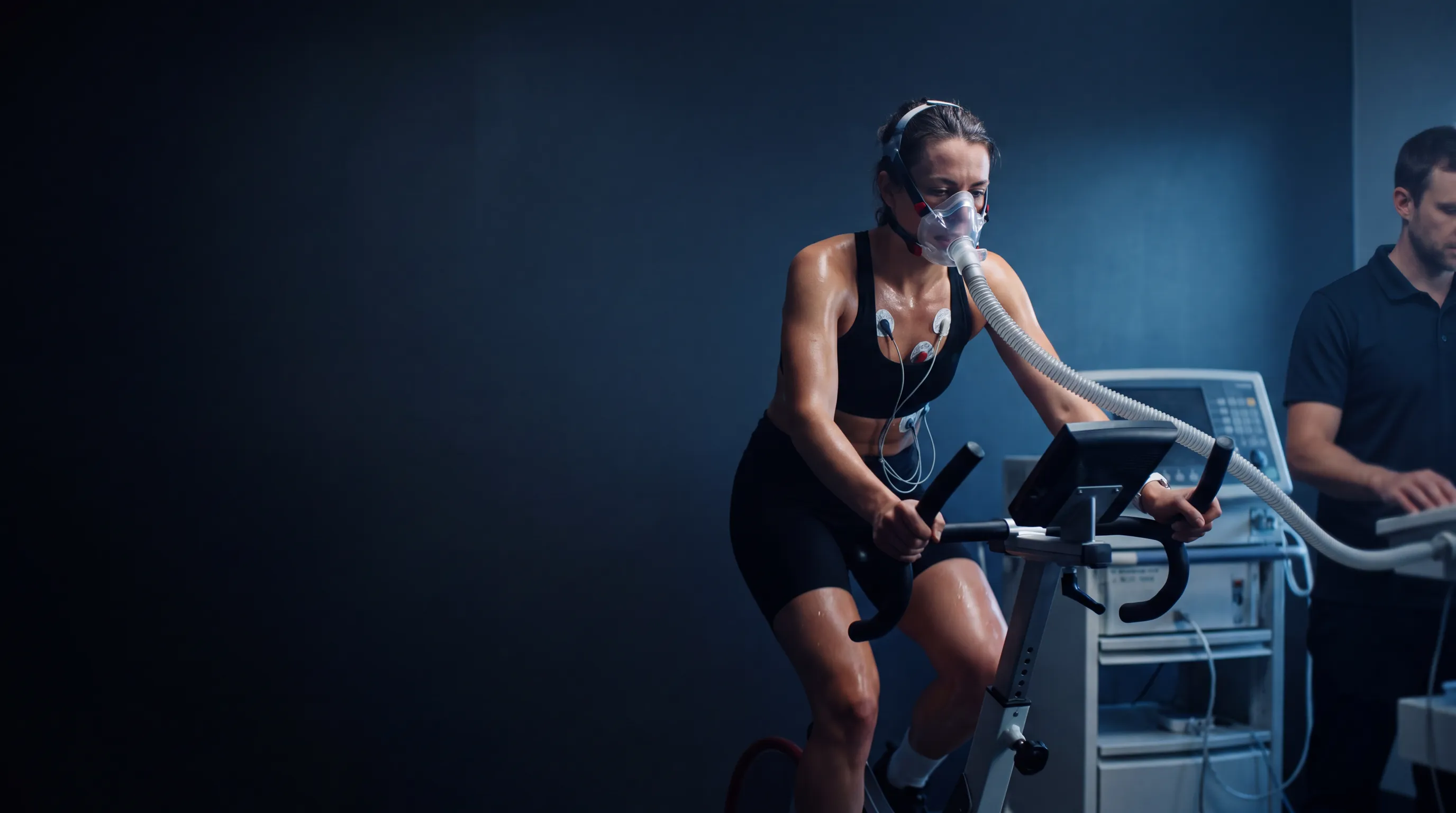
What Is a Good VO₂ Max for Your Age? Percentile Charts for Men and Women
The median 40-year-old man measures 35.3 ml/kg/min; the median woman, 25.7. Full VO₂ max percentile charts by age and sex from the 2022 FRIEND standards — and why your watch's number differs.
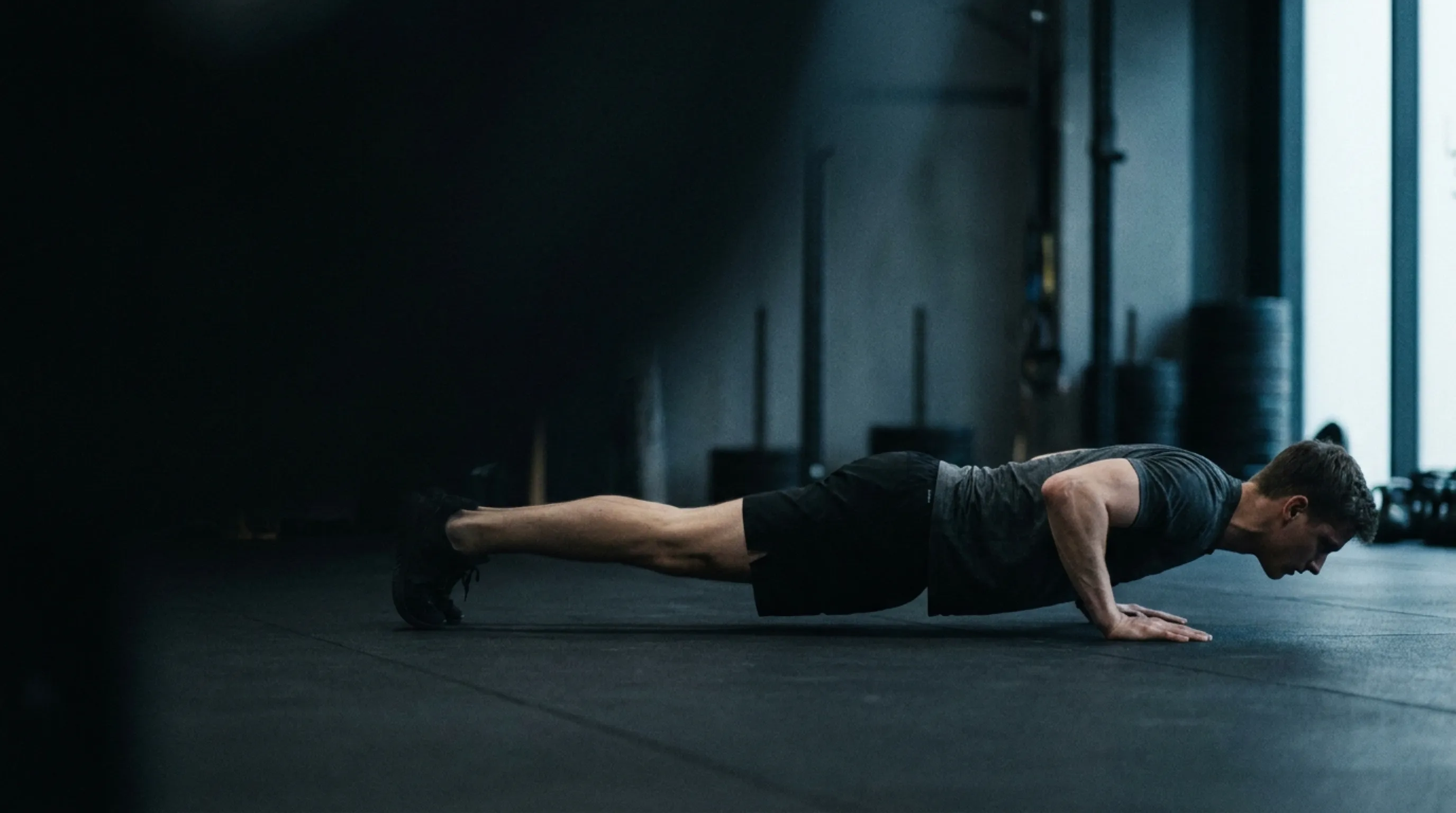
How Many Push-Ups Should You Be Able to Do? Norms by Age and Sex
A fit 30-something man does 22–29 push-ups; a fit 30-something woman does 20–26 on the knees. Full norms chart by age and sex, where those numbers actually come from, and what the Harvard 40-push-up study really found.
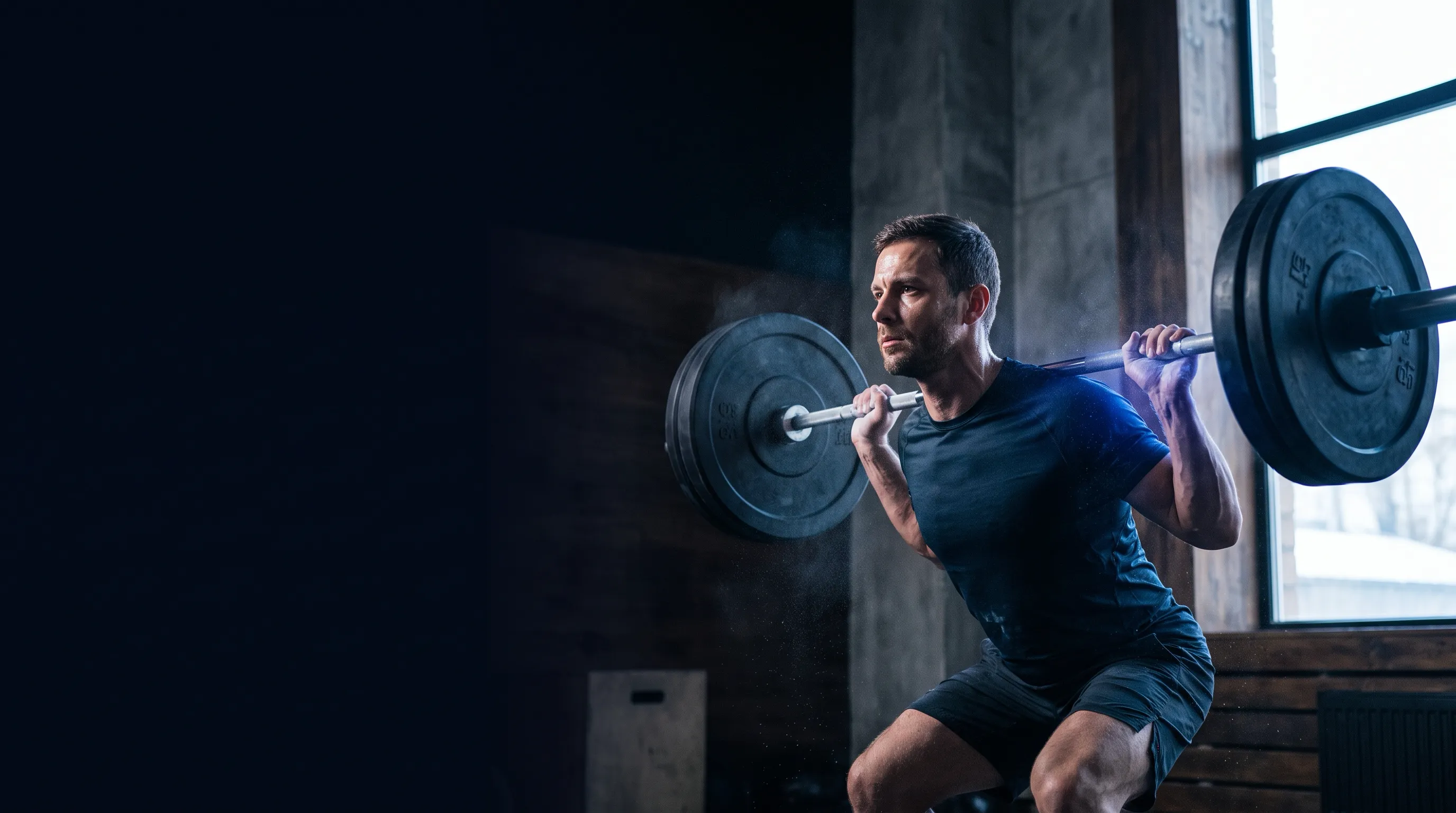
Does Lifting Weights Increase Testosterone? Yes, Briefly — and That Spike Builds Nothing
Heavy resistance training raises testosterone for roughly 15-60 minutes afterward. Three McMaster trials found that spike predicts none of your muscle or strength gains. What actually moves your testosterone: sleep, body fat, and eating enough — in that order.

Rucking: How Much Weight to Start With, and What the Research Actually Shows
Start at 10% of body weight and cap most fitness rucking near 20%. Army lab data shows a 22%-body-weight pack lifts a walk from 71% to 83% of max heart rate — but the bone-density claims are weaker than the internet says. Load charts, a 6-week progression, and why your watch under-counts every ruck.
Best Home Workout Apps in 2026: 9 Tested, Free to $289 a Year, No Equipment Needed
Nike Training Club is free with no in-app purchases at all; Apple Fitness+ is $9.99/mo or $79.99/yr; Peloton App One $15.99/mo; Centr $119.99/yr; SensAI $69.99/yr. Verified August 2026 pricing on nine home workout apps — plus the evidence on whether no-equipment training builds anything, and the one job no class library does.
Does Metabolism Slow With Age? Not Until 60 — Calorie Needs by Decade
Adjusted for fat-free mass, energy expenditure is flat from age 20 to 60 — then falls ~0.7%/yr. What 6,421 doubly-labeled-water measurements show, plus calorie needs by decade and the muscle math.
Jefit vs Hevy (2026): $69.99 a Year vs $74.99 Forever — and Which One Programs Better
Jefit Elite is $12.99/mo or $69.99/yr with no lifetime tier; Hevy Pro is $2.99/mo, $23.99/yr, or $74.99 once — verified August 2026. Jefit brings 1,400+ exercises and an adaptive mesocycle engine, Hevy 400+ and Hevy Trainer. Neither reads your recovery.
Max Heart Rate by Age: The Zone Chart, and Why 220 − Age Is Wrong
220 − age was never a research finding. Tanaka's 208 − 0.7 × age and the HUNT study's 211 − 0.64 × age are better — but still carry ±11 bpm of individual error. Full HRmax and five-zone charts by decade, plus the 30-minute field test that beats every formula.

HYROX Training Plan: What the Race Data Says Actually Wins It
In a simulated HYROX, the running took 51.2 of the 86.5 total minutes — and across 39,696 PRO race results, running explained about half of finish time. Here is what the peer-reviewed evidence says to train, in what order, and how to read your own recovery data while you do it.
Can a Smartwatch Measure Your Blood Pressure? The FDA-Cleared Feature Never Shows You a Number
No consumer smartwatch measures blood pressure. Apple's FDA-cleared hypertension notification catches 41.2% of cases and deliberately never displays a reading — and Samsung's number ships as a wellness feature, not a medical one.
Tennis Elbow Exercises: The Injection Wins at Six Weeks and Loses at One Year
A corticosteroid shot beat every other tennis elbow treatment at six weeks — then produced 54% recurrence and worse one-year recovery than a placebo injection. Here's the loading protocol the trials support, the pain rule that keeps it working, and honest recovery timelines.

Shin Splints: Eleven Treatment Trials, No Winner — and the One Thing That Cut Risk by 75%
A systematic review of eleven shin splint treatment trials couldn't recommend a single one. A randomised trial that changed how recruits ran cut new cases by 75%. Shin splints are a load problem, not a tissue you can stretch, brace or ice better.

How Much Vitamin D Per Day? 600-800 IU — and Why More Won't Make You Stronger
The RDA is 600 IU (800 IU past 70), set against a blood level of 20 ng/mL. About 56% of athletes fall short. But across two dozen randomized trials, correcting a low level reliably raised the number in your blood without reliably making you stronger — and 10,000 IU a day for three years lowered bone density.
Neck Pain Exercises: Strength Training Beats Stretching, and Two Minutes a Day Is Enough
The best-evidenced neck pain exercises load the neck and upper back — a Cochrane review found stretching alone produced no expected benefit, while 2 minutes a day of resistance training cut pain in a 198-person trial.
How Much Fiber Per Day? 14 g per 1,000 Calories — and Why Lifters Miss It
Adequate fiber is 14 g per 1,000 calories — about 25 g for women and 38 g for men — and only about 5% of people hit it. Risk reduction peaks at 25-29 g/day. What the number means if you train hard, and how to add fiber without wrecking a session.
Can a Smartwatch Detect Sleep Apnea? The FDA-Cleared List and the Real Numbers
No wearable diagnoses sleep apnea. Only three features are FDA-cleared to screen for it — Apple catches 66.3% of moderate-to-severe cases, Samsung's watch 90.8%.

Garmin Recovery Heart Rate: What's a Good 2-Minute Number?
Garmin Recovery Heart Rate is your bpm drop 2 minutes after you stop. Under 22 bpm is the only validated flag — most trained adults land in the 30s–50s.
Achilles Tendonitis Exercises: An Evidence-Informed Loading Guide for Midportion and Insertional Pain
Achilles tendonitis exercises depend on where it hurts: a 12-week loading protocol split by insertional vs midportion pain, with honest recovery timelines.
Blood Flow Restriction Training: What the Evidence Actually Says
ACSM's 2026 Position Stand reviewed 137 systematic reviews and found blood flow restriction did not consistently change training outcomes. Here's what BFR is genuinely good for, the real parameters, and the pressure problem nobody selling bands will tell you about.
Oura, WHOOP & Garmin Apple Health Integration: What Syncs
Oura Readiness, WHOOP Recovery, and Garmin Body Battery never reach Apple Health — and WHOOP withholds HRV entirely. Exactly what each device syncs.
How Fast Do You Lose Fitness? The Detraining Timeline, Week by Week
Two weeks off costs you almost nothing measurable. VO₂max falls about 7% by day 21 and bottoms out near 16% after eight weeks — but strength holds for roughly a month, and your muscle never fully forgets. The evidence, week by week.

Oura vs Samsung Galaxy Ring vs Ultrahuman: Which Smart Ring Is Actually Validated?
Smart ring reviews compare features. Almost none compare evidence. Oura has a 6-study meta-analysis; Galaxy Ring has zero published sleep validation. What that means before you spend $399.
Why Is My Deep Sleep So Low? Wearable Accuracy Runs 50.5% to 79.5%
Deep-sleep detection runs 50.5% (Apple Watch Series 8) to 79.5% (Oura Gen3) against polysomnography, while sleep/wake clears 95%. What to track instead.

Does Fasted Cardio Burn More Fat? Yes — About 3 Grams
Fasted cardio does oxidize more fat during the session: roughly 3 g, per a 27-study meta-analysis. Here's why that almost never shows up on the scale — and the one benefit that's real.

How to Lower Cortisol: What the Research Supports — and Why a Single Test Tells You Nothing
Cortisol is supposed to spike in the morning and after hard training. Here's what the trials show actually lowers it — and what you can realistically track.
How Accurate Are Wearable Calorie Counts? Apple Watch, Garmin, Fitbit, and Oura Tested
Wearable calorie counts fail every systematic review: energy-expenditure error runs 20-30%+ across major brands, while heart rate stays under 5%. Device-by-device error rates for Apple Watch, Garmin, Fitbit and Oura, why lifting is the worst case, and what to use instead.
How to Increase Bone Density With Exercise: The Load Threshold Most Programs Never Reach
What the trial evidence shows about building bone with exercise: why walking and swimming fall short, how heavy resistance and impact training compare, and where the research is still unsettled.
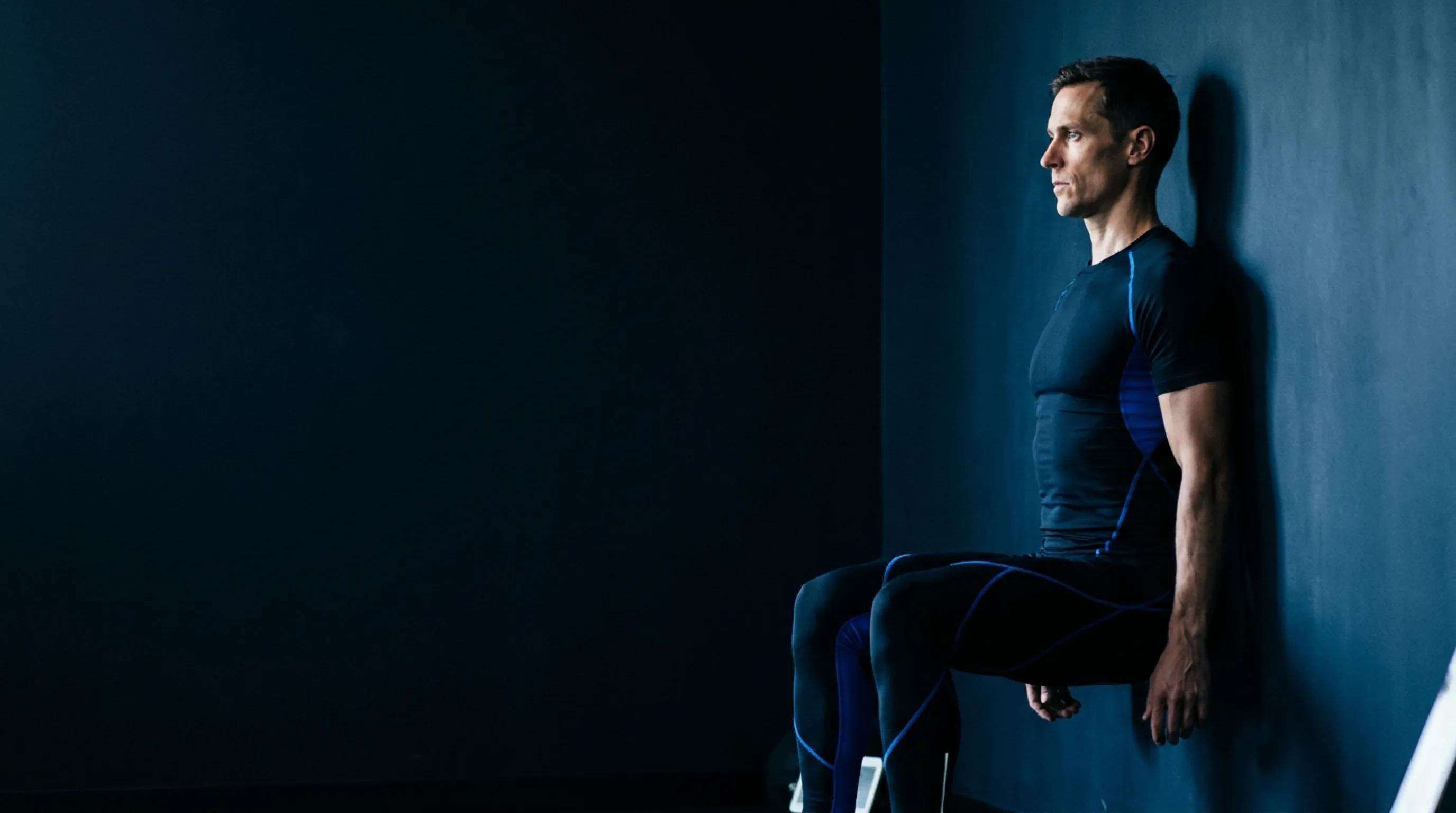
Exercise to Lower Blood Pressure: Which Type Works Best, and by How Much
A 270-trial network meta-analysis ranked every exercise mode by how far it drops blood pressure. Isometric wall squats led on clinic readings, aerobic and HIIT led on 24-hour monitoring. Here are the numbers and the protocols.

Best AI Marathon and Half Marathon Training Apps (2026): What Adapts, What Just Looks Adaptive
Runna, TrainingPeaks, Athletica, AI Endurance, Garmin Coach and SensAI compared for marathon and half marathon training — verified July 2026 pricing, which ones actually adjust to your recovery data, and the 10% rule from a 5,205-runner study that any plan you follow should respect.

What to Eat While Breastfeeding: The Nutrients That Actually Reach Your Baby
Breast milk buffers many maternal dietary gaps, but vitamin D, B12, iodine, thiamin, choline, and omega-3s need specific attention. Here is the current guidance on food, supplements, and newborn safety.
WHOOP Strain Explained: What Each Score Means vs Garmin, Oura, Apple & Polar
The average WHOOP member scores 11.0 Strain per day. An hour of running is about 12.0, walking 6.5, functional fitness 10.1. Here is what every band means, what WHOOP refuses to publish, and how the 0–21 scale compares with Garmin Training Readiness, Oura Readiness, Apple Training Load, Polar Cardio Load and TrainingPeaks TSS — with 2026 prices.
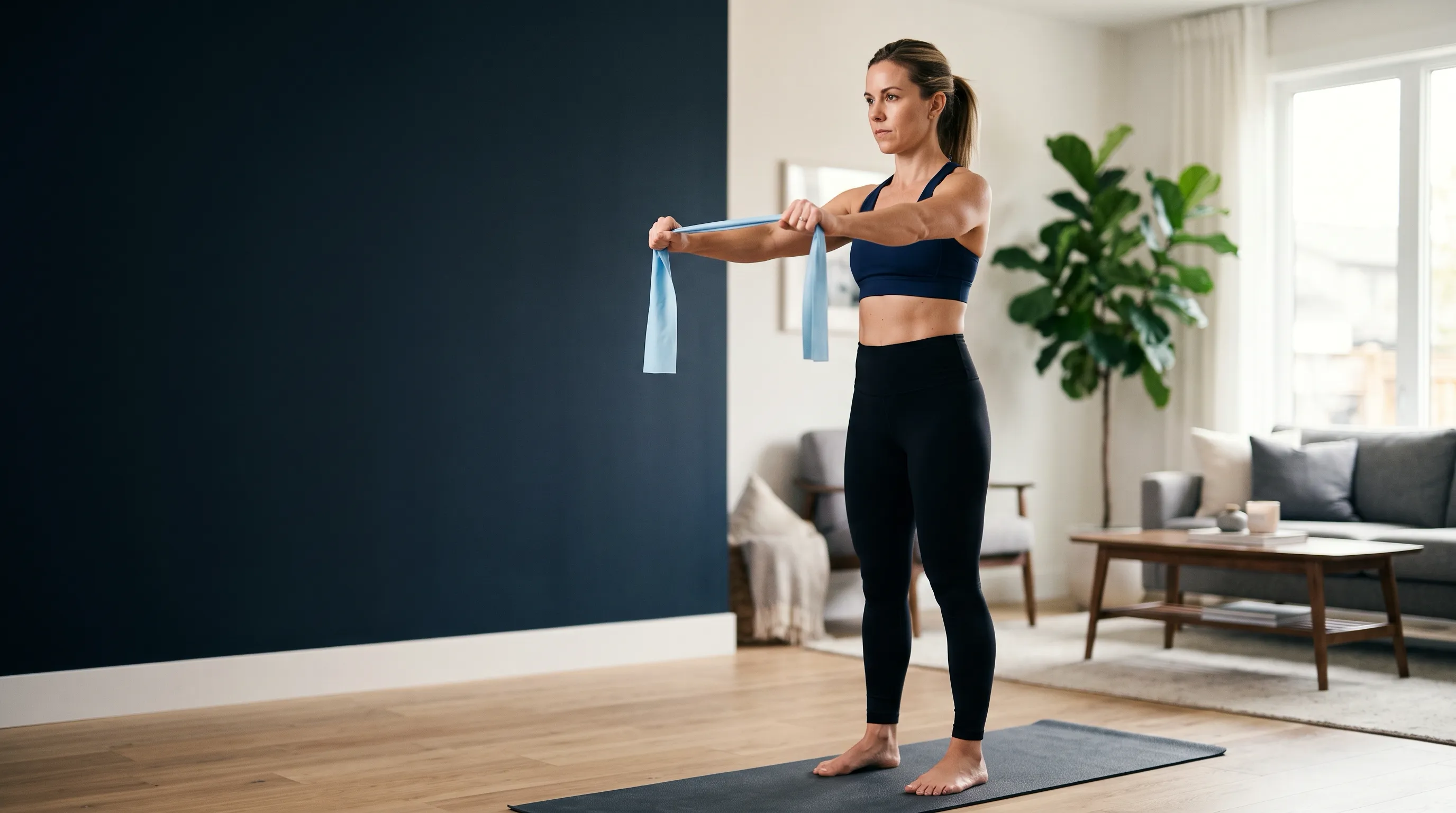
Physical Therapy Exercises at Home: How to Actually Stay Consistent Between PT Visits
You may see your physical therapist about an hour a week, but home practice strongly influences the rest. Use this research-backed protocol to follow your prescribed program and know when to seek help.
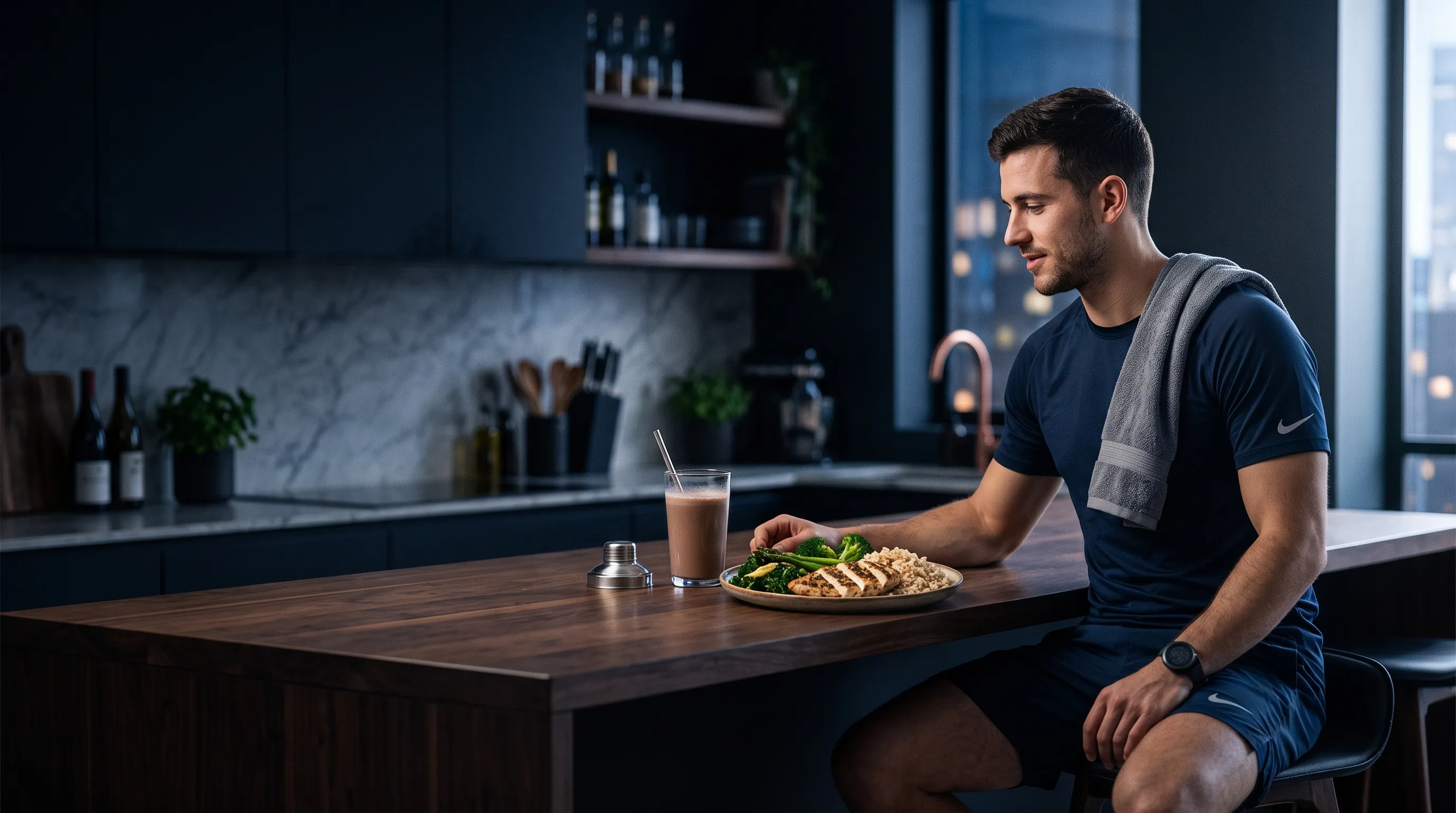
What to Eat After a Workout: A Simple, Evidence-Based Recovery Guide
After a workout, eat ~0.3 g/kg protein (20–40 g) plus carbs scaled to your session. Rapid carb refueling matters most if you train again within 8 hours; 100–150% fluid replacement is for meaningful losses when recovery time is short.

AI Endurance Alternatives in 2026: When a Digital-Twin Endurance Coach Stops Fitting (and What to Switch To)
A diagnostic guide to AI Endurance alternatives in 2026 — match the reason you're leaving (black-box predictions, sport silos, DFA alpha 1 setup burden) to the right switch: TrainerRoad, Athletica, TrainingPeaks, JOIN, or an LLM coach.
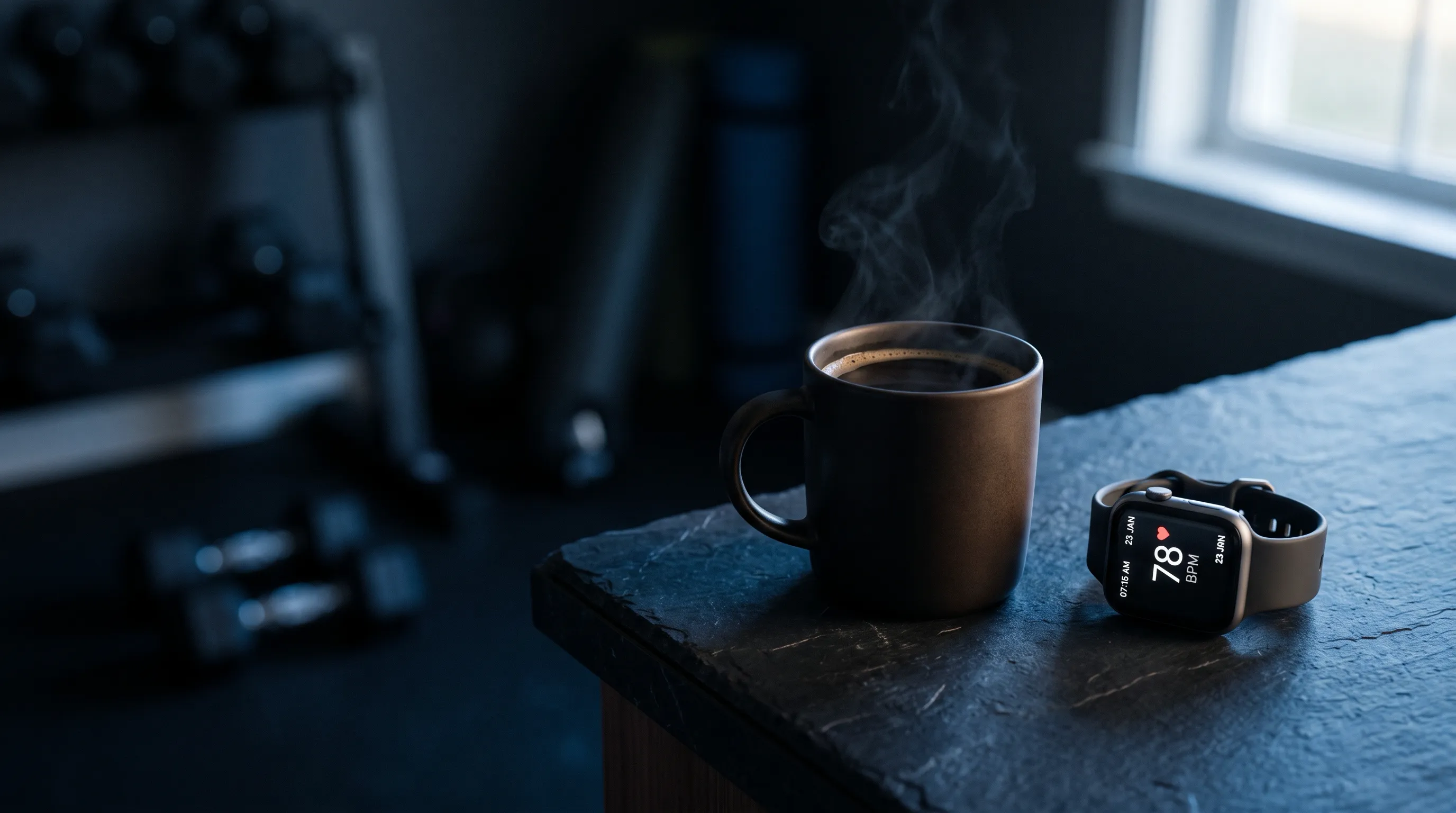
Is Coffee Good for Your Heart? What the New AHA Caffeine Statement Means for Active People
The July 2026 AHA statement says up to 400 mg of caffeine a day is generally safe for most adults. Here's what that means if you train, and how to assess your own response.
Hevy vs Fitbod (2026): One Costs 6x More — Is It Worth It?
Hevy vs Fitbod in 2026: verified pricing, free-tier fine print, 5-year cost math ($74.99 vs $479.95), and the recovery blind spot both share. Verdicts by lifter type.
Hevy Review 2026: Pricing ($2.99/mo, $74.99 Lifetime), Free vs Pro Limits, and Verdict
Hevy Pro costs $2.99/month, $23.99/year, or $74.99 lifetime (2026). Our review: what the free tier actually includes (4 routines, 7 custom exercises, 3-month history), lifetime breakeven math, and an honest verdict.
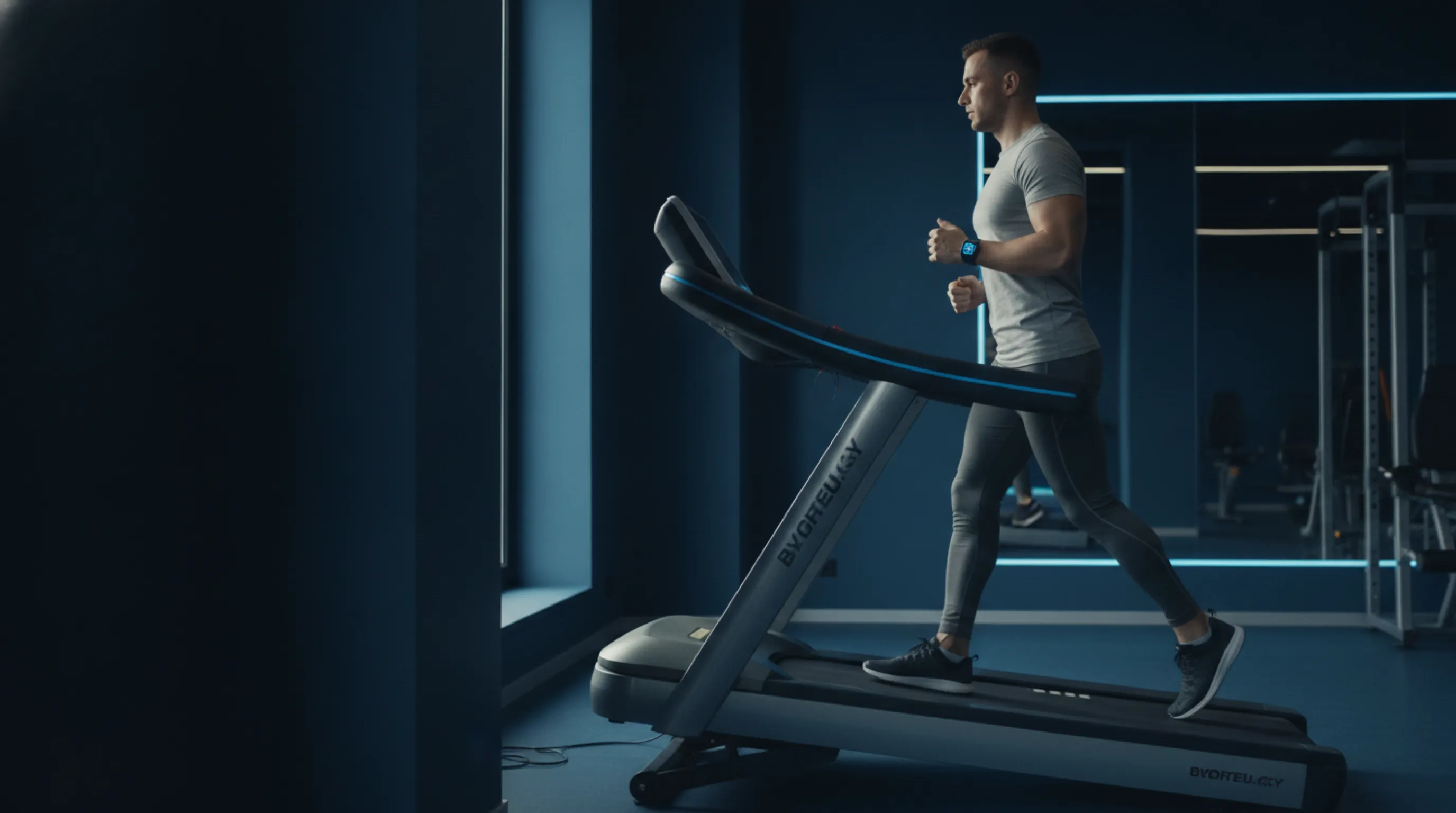
The 12-3-30 Workout: Does the Viral Incline Treadmill Walk Actually Work?
12-3-30 is 30 minutes at 3 mph on a 12% incline. It can be a useful moderate-to-vigorous workout, but measured effort varies widely and handrail support lowers the demand.
What Is a Healthy Body Fat Percentage? Ranges by Age and Sex (and How to Measure It)
Across ages 20-79, reference ranges span about 8-25% for men and 21-36% for women, with the applicable band depending on age. See how common tests estimate body fat.

Plantar Fasciitis Exercises: An Evidence-Informed Guide to Plantar Heel Pain
Learn how stretching and symptom-guided loading can fit into care for plantar heel pain, with trial limitations, red flags, and guidance on when to see a clinician.
How to Overhead Press: Barbell Technique, Bar Path, and Programming for a Bigger Press
The overhead press done right — the bar-path rule that fixes most reps, strict vs push press vs seated dumbbell, honest shoulder-safety science, and beginner-to-intermediate programming, all backed by peer-reviewed biomechanics.
How to Build a Bigger Back: The Evidence-Based Guide to Lat, Trap & Back Hypertrophy
A bigger back needs both jobs done: vertical pulls for width (lats) and horizontal rows for thickness (rhomboids, mid-traps). Train all five back regions across 10–20 hard sets a week, split over two sessions, near failure.
How to Build a Bigger Chest: The Evidence-Based Guide to Pec Hypertrophy
A bigger chest comes from varied pressing angles, a comfortable full range, and enough weekly volume — not just a heavier flat bench. An EMG-informed exercise table, the limits of regional-growth evidence, weekly set targets, and how to progress.

How to Do Push-Ups: Perfect Form, a Beginner Progression, and the Science of Why They Work
A phased push-up progression from wall to your first strict rep and beyond — with evidence-based form cues, programming, and research on push-up capacity and cardiovascular outcomes.
How to Lose Belly Fat: An Evidence-Based Guide to Losing Visceral Fat
You can't spot-reduce belly fat with crunches or waist trainers. Here's what the research actually says — visceral vs. subcutaneous fat, the levers that work ranked by leverage, and a realistic timeline.
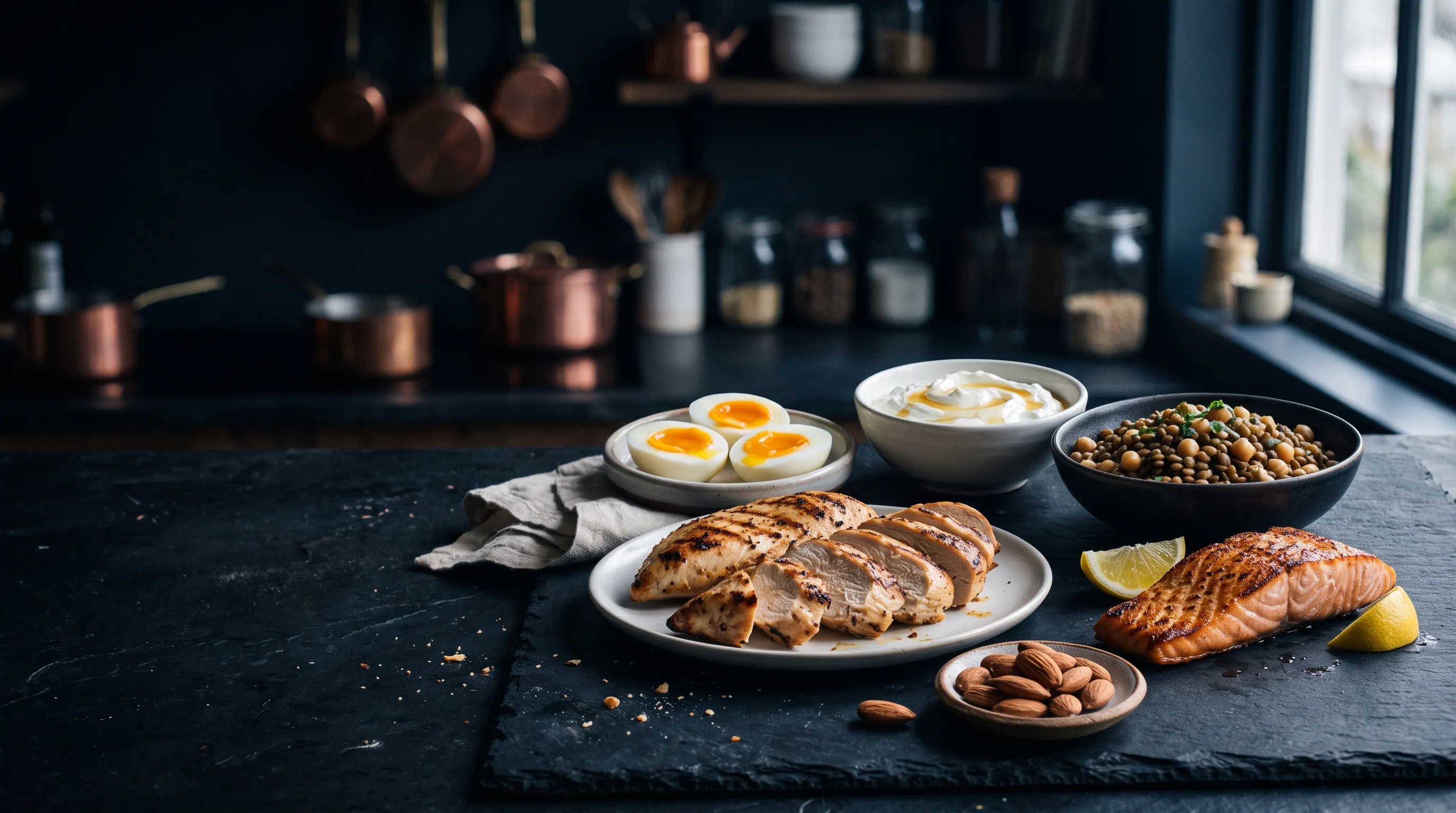
How Much Protein Do You Need to Build Muscle? A Daily Target Guide Backed by Research
A practical daily protein target for building muscle — by bodyweight, goal, and life stage. The estimated point of diminishing returns, per-meal targets, plant vs. animal quality, and common myths reviewed with citations.
How to Build Bigger Shoulders: The Side-Delt-First Guide to Wider, Fuller Delts
Shoulder width comes from the side delts most programs undertrain — not more pressing. An EMG-informed exercise table by delt head, dumbbell vs cable lateral raise research, practical volume guidance, and exercise modifications.
Do Muscle Imbalances Cause Injury? What the Research Actually Says About Asymmetry
Ask an AI if your left-right strength difference is 'dangerous' and it repeats a 10% rule that was never validated for that purpose. Here's what the prospective evidence really shows about asymmetry and injury risk — and how to test yourself honestly at home.
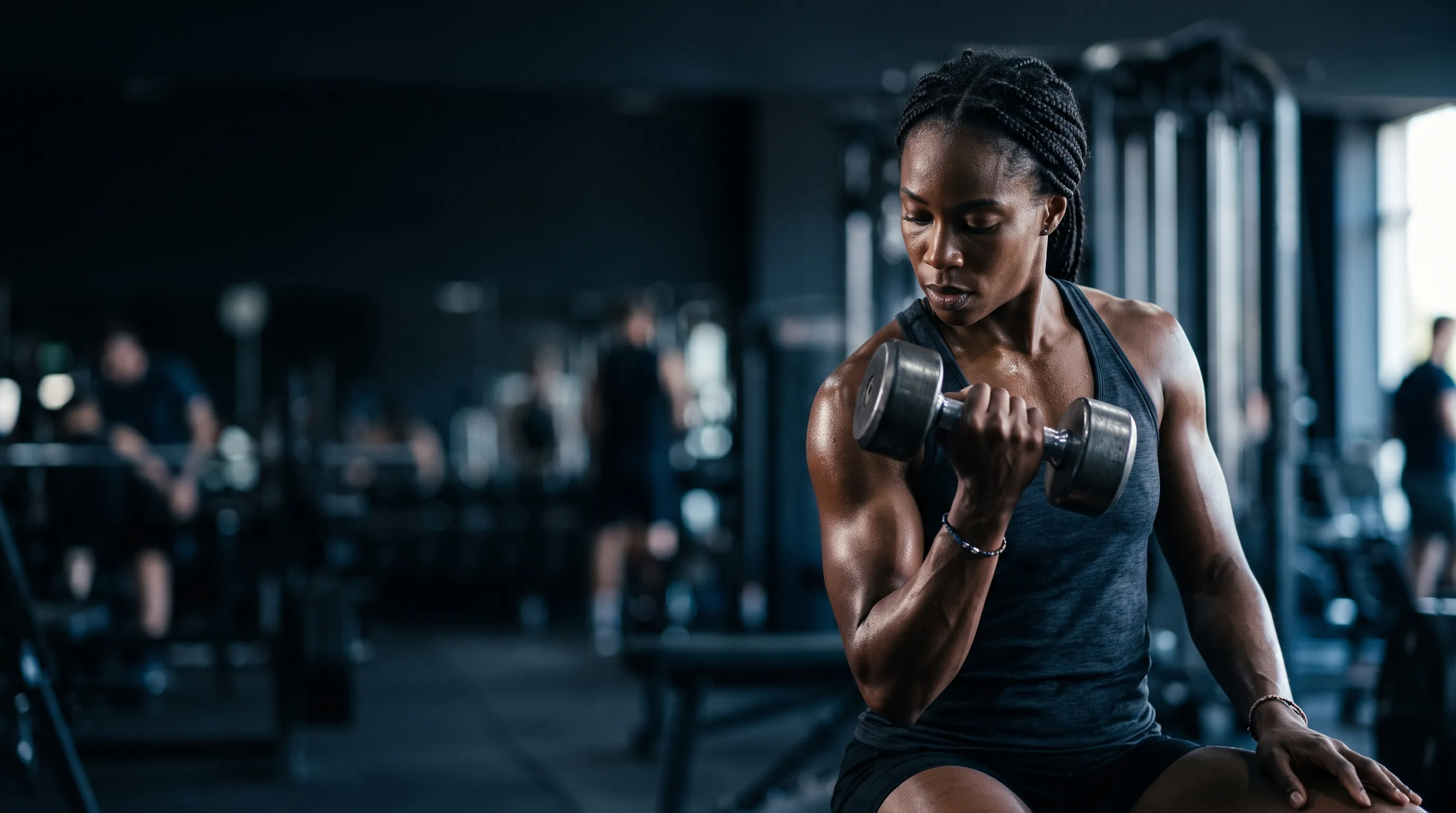
How to Build Bigger Arms: The Evidence-Based Guide to Biceps and Triceps Growth
Bigger arms come from the triceps, long-muscle-length training, and enough weekly volume — not endless curls. An EMG-informed exercise table, the overhead-triceps and incline-curl research, weekly set targets, and how to progress without stalling.
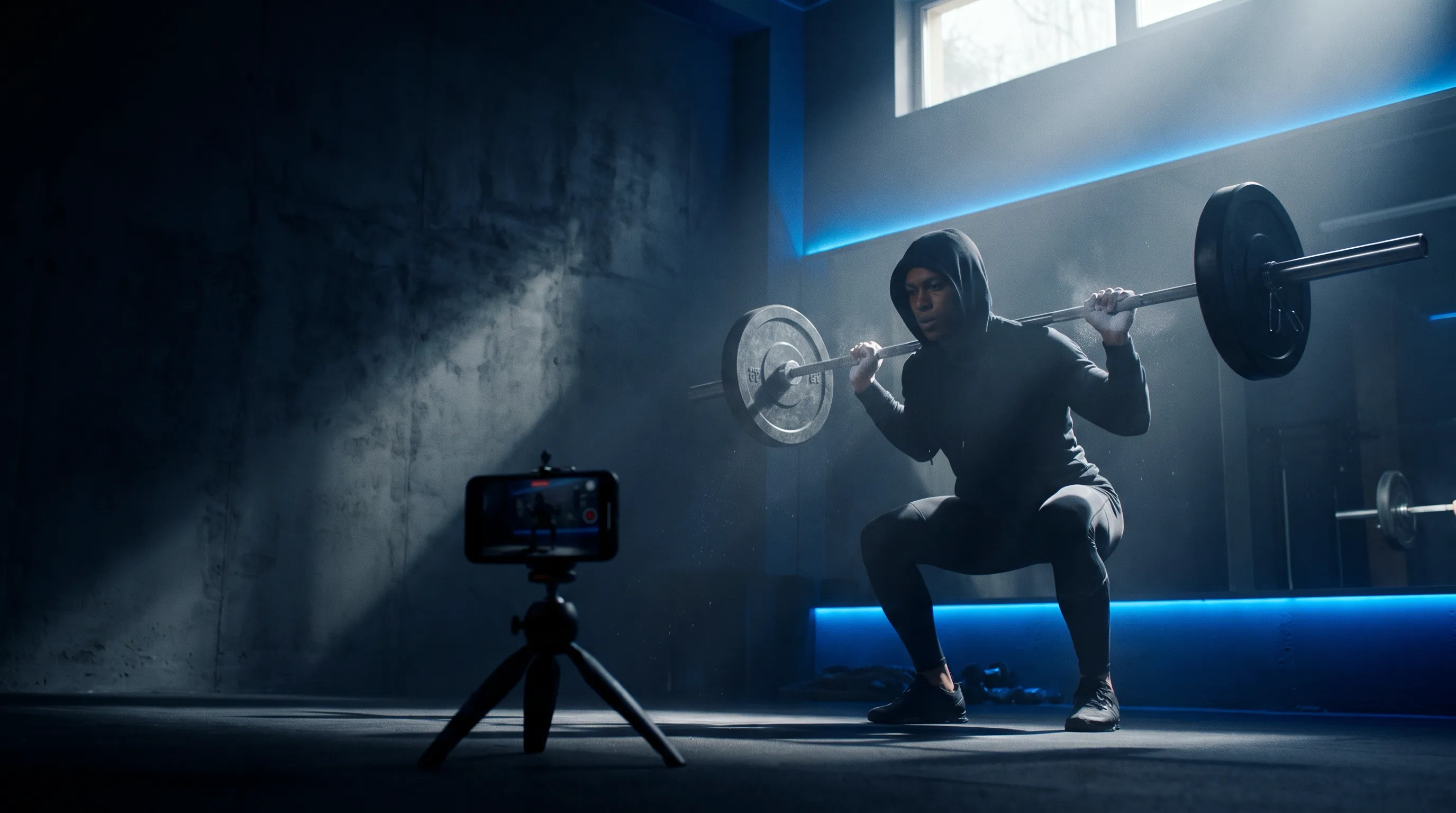
Best AI Workout Form Check Apps (2026): What Actually Works
Real-time CV form checkers and AI-coach photo feedback are two different tools. We separate them, rank the best of each for 2026, and route you by what your form problem actually is.
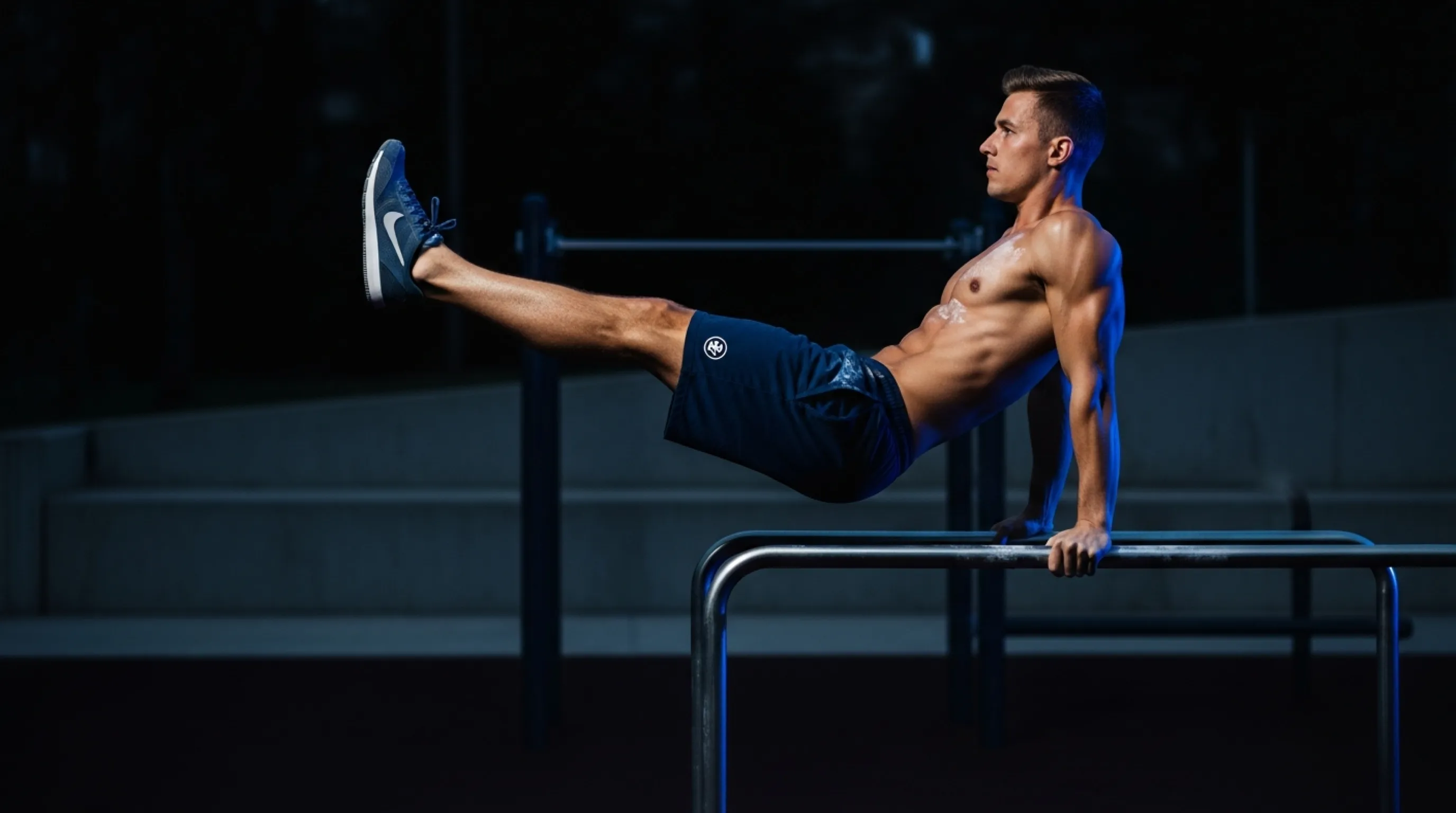
Calisthenics Progression Guide: How to Build Real Strength and Muscle With No Equipment (Beginner to Advanced)
Yes, calisthenics builds real muscle and strength. Five movement-pattern progression ladders plus how to apply progressive overload with zero equipment.

Best Time of Day to Work Out: Morning vs. Evening
Morning or evening workout? The evidence on strength, fat loss, sleep, and blood sugar — plus the one factor that beats the clock for results.
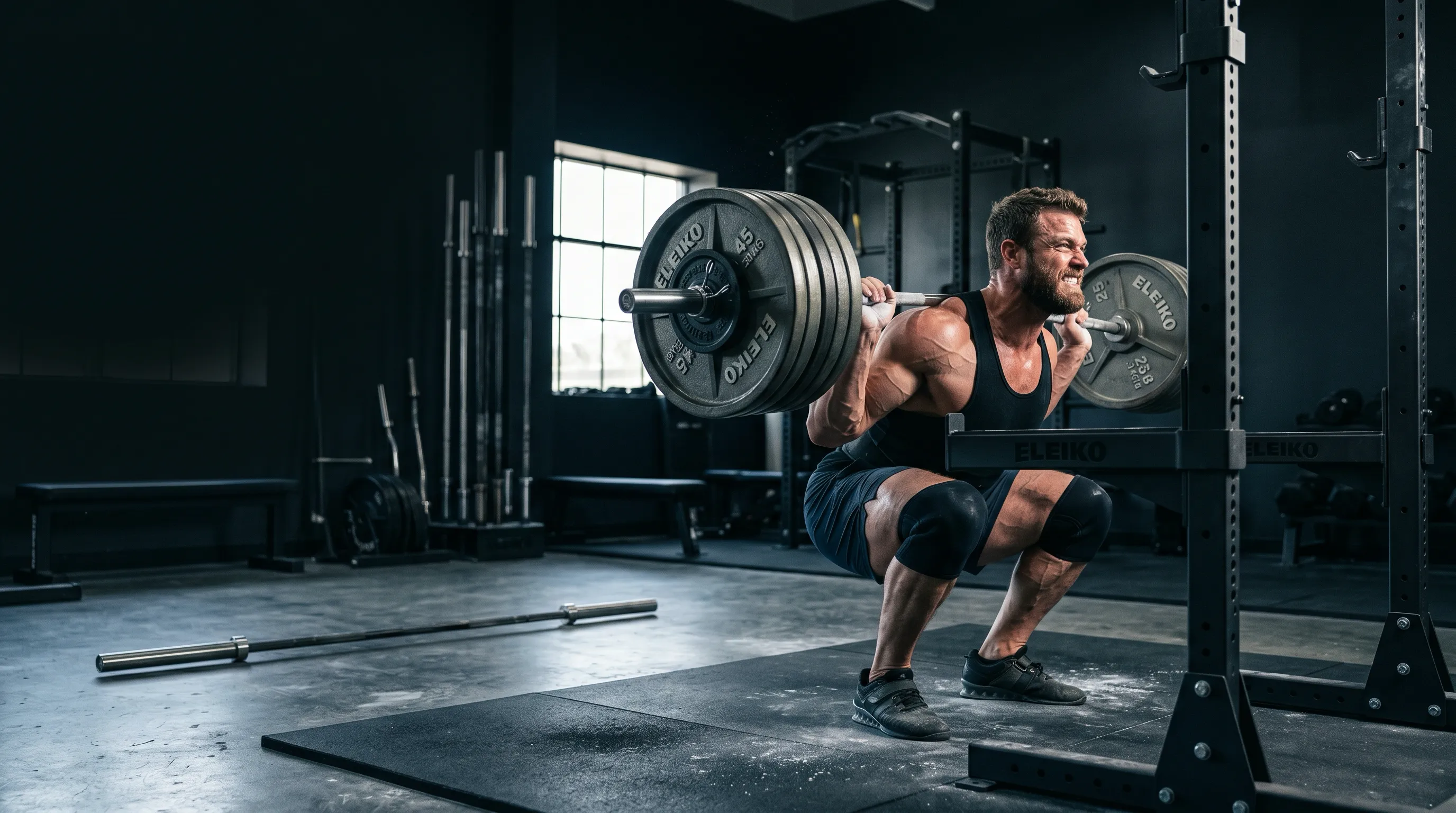
Strength Standards by Bodyweight, Sex & Age: Squat, Bench, Deadlift, Press, Row
Current Strength Level standards for all five barbell lifts, in ratios and in pounds. Intermediate for a 180 lb man is a 298 lb squat, 220 lb bench, 348 lb deadlift — plus what the age data actually shows.
How Long Should You Rest Between Sets? What the Research Actually Says
The old '30-60 seconds for growth' rule is wrong. Here's the goal- and experience-dependent rest framework the research actually supports — with a quick-reference table.
How to Warm Up Before a Workout: The Evidence-Based RAMP Protocol
A named, science-backed 4-phase warm-up (Raise, Activate, Mobilize, Potentiate) that primes your exact session — plus the honest answer on static stretching.
Can ChatGPT Write Your Workout Plan? An Honest 2026 Test
ChatGPT is 90.7% accurate but only 41.2% comprehensive at writing workouts. Here's exactly when a bare chatbot works, and when you need a coach with memory and your data.

Sciatica Exercises: Directional Preference, Safe Activity, and When to Get Help
Learn how clinicians use symptom response, activity, neural mobilization, and strengthening for sciatica—without turning an online self-screen into a diagnosis or fixed rehab prescription.

Best Freeletics Alternatives in 2026 (And When to Switch From the Bodyweight Coach)
Freeletics' AI Coach adapts on effort and completion — not your recovery. Best alternative: SensAI for HRV/sleep-aware coaching, Hevy for a free logger. Full 2026 comparison.
Resistance Band Workout: Can You Really Build Muscle and Strength With Bands?
Resistance bands can build strength when training is progressive. Learn what the research does and does not show, plus a full-body workout and safer progression guide.

Athletica.ai Alternatives in 2026: When a Rule-Engine Endurance Coach Stops Fitting (and What to Switch To)
A diagnostic guide to Athletica.ai alternatives in 2026 — match the reason you're leaving to the right switch, whether that's TrainingPeaks, Intervals.icu, an LLM coach, or a simpler template app.
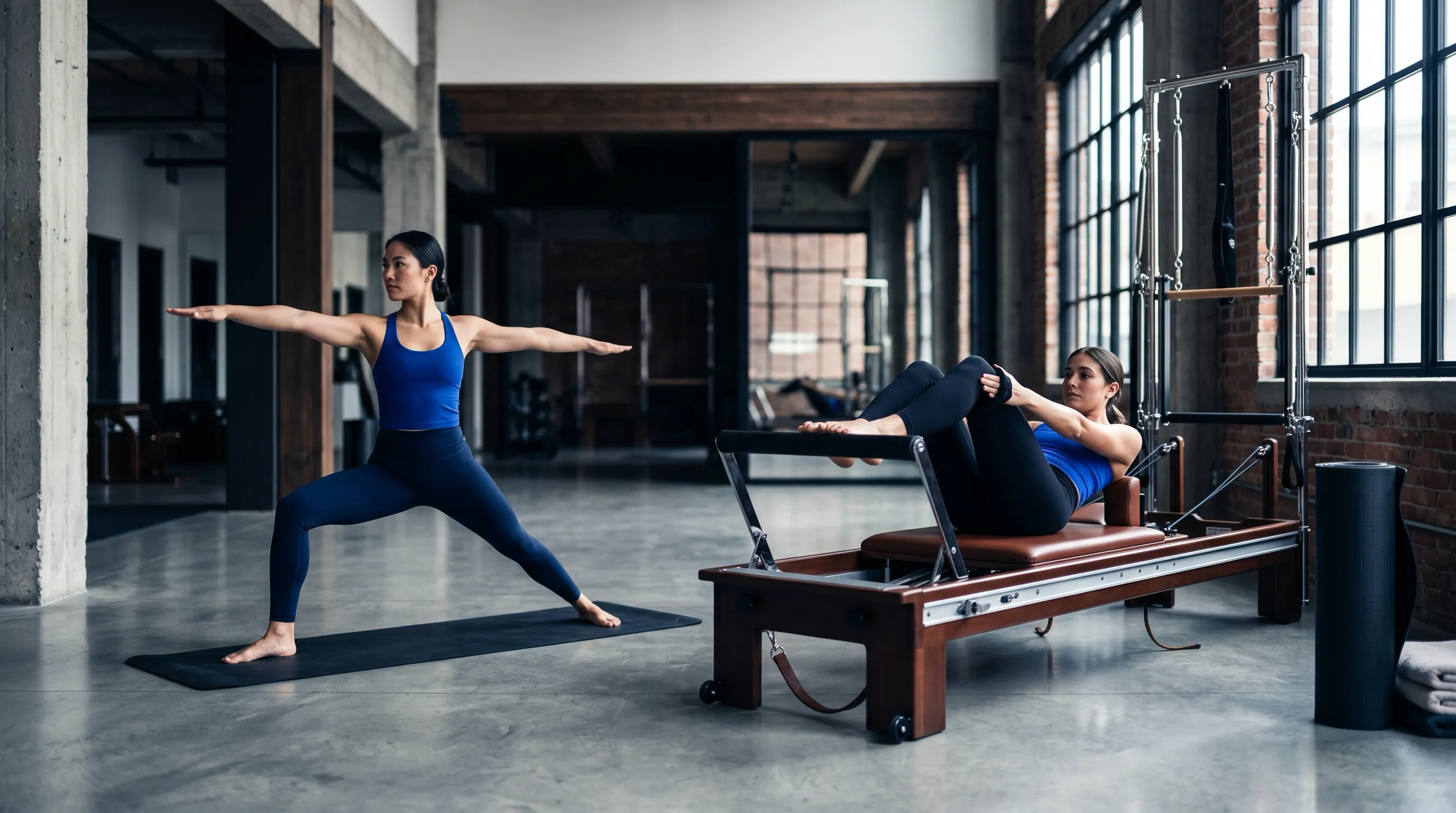
Pilates vs. Yoga: Which One Should You Actually Do?
Pilates vs. yoga by goal, with the limits of the evidence on trunk endurance, flexibility, chronic back pain, stress, and exercise intensity.
Best Fitbod Alternatives in 2026 (Fitbod Is $95.99/Year — Here's What Else Works)
Fitbod costs $15.99/mo or $95.99/yr in 2026. Best alternative: SensAI for recovery-aware coaching, Hevy for a free logger. Full comparison inside.
Fitness App Pricing 2026: Is Hevy Free, What Fitbod Costs, and the Real Price of All 6
Verified September 2026: Hevy Pro $23.99/yr, Strong Pro $29.99/yr, Jefit Elite $69.99/yr, SensAI $69.99/yr, Fitbod $95.99/yr, Freeletics $94.99/yr. Which free tiers are real products, which are countdowns, and what each app actually costs you.
SensAI Review 2026: Is the AI Fitness Coach Worth It?
An honest 2026 SensAI review: how the LLM coaching works, what wearable data it actually uses, pricing, pros and cons, and who should skip it.

Normal Resting Heart Rate by Age: Charts, Ranges, and How to Read a Wearable Trend
A resting heart rate guide for adults and athletes, plus a careful way to interpret changes on your wearable without treating one number as a diagnosis.

Can AI Actually Coach an Endurance Athlete? LLM Coaching vs Rules-Based Endurance Apps
Three different mechanisms hide behind 'AI endurance coaching': sports-science rule engines, ML performance-prediction models, and LLM reasoning. A decision framework for runners and cyclists on what software can — and can't — actually coach week to week.
Cardio Recovery by Age: Heart Rate Recovery Chart, 20s to 70s
Good cardio recovery by age: ~44 bpm at 25, ~32 at 65, ~27 at 75. Charts for 1, 2 and 3 minutes, plus why your Apple Watch number won't match any of them.
Anti-Inflammatory Nutrition for Recovery: When It Speeds You Up — and When It Sabotages Your Gains
Anti-inflammatory foods speed recovery — but high-dose antioxidant pills and routine post-workout ibuprofen can blunt the muscle and endurance adaptations your training is built on. Here's the evidence-based line between the two, and when to lean in vs. back off.
How Much Should You Actually Drink? A Personalized Hydration and Electrolyte Strategy for Training
Your hydration number isn't a fixed ounces-per-hour rule — it's your measured sweat rate. Here's how to find it in one session, when sodium actually matters, and how to avoid the over-drinking trap most people never hear about.
Kettlebell Training for Beginners: Swings, Goblet Squats, and Full-Body Strength
What weight to start with, how to swing safely, and a simple progression from deadlift to goblet squat to swing to press. An evidence-based beginner kettlebell guide.
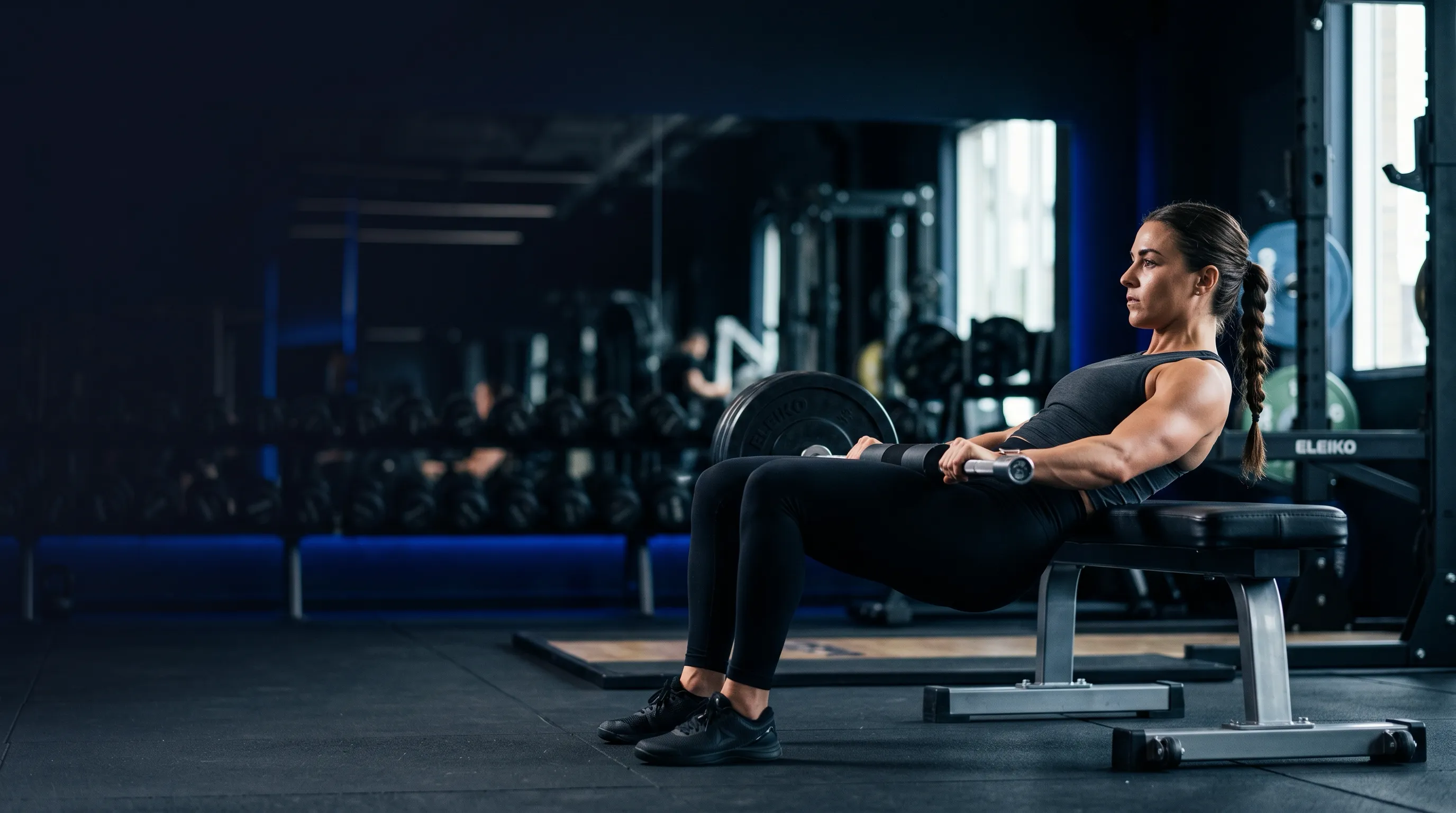
How to Build and Strengthen Your Glutes: An Evidence-Based Guide to the Body's Most Underrated Muscle Group
How to build stronger glutes with evidence, not aesthetics: why sitting leaves them underactive (gluteal amnesia), an EMG-ranked exercise table, the activation-to-hypertrophy progression, weekly volume targets, and how to train glutes without aggravating your lower back.
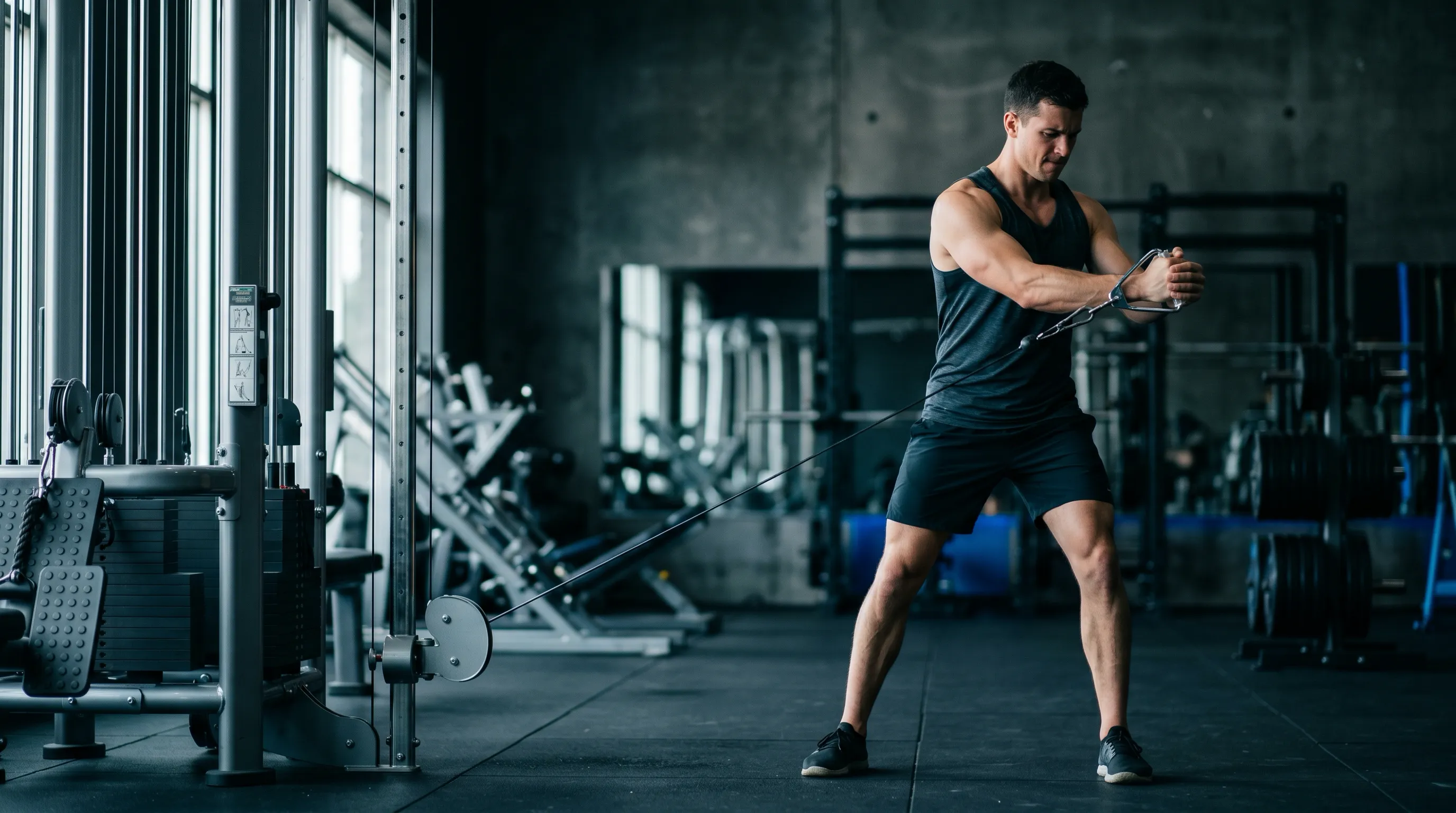
Core Training Science: Why Crunches Are Outdated and What Actually Builds a Functional Core
A strong core resists movement more than it creates it. Here's the spine-biomechanics evidence for why anti-rotation, anti-extension, and endurance work beats high-rep crunches — plus a weekly blueprint built on the anti-movement framework.
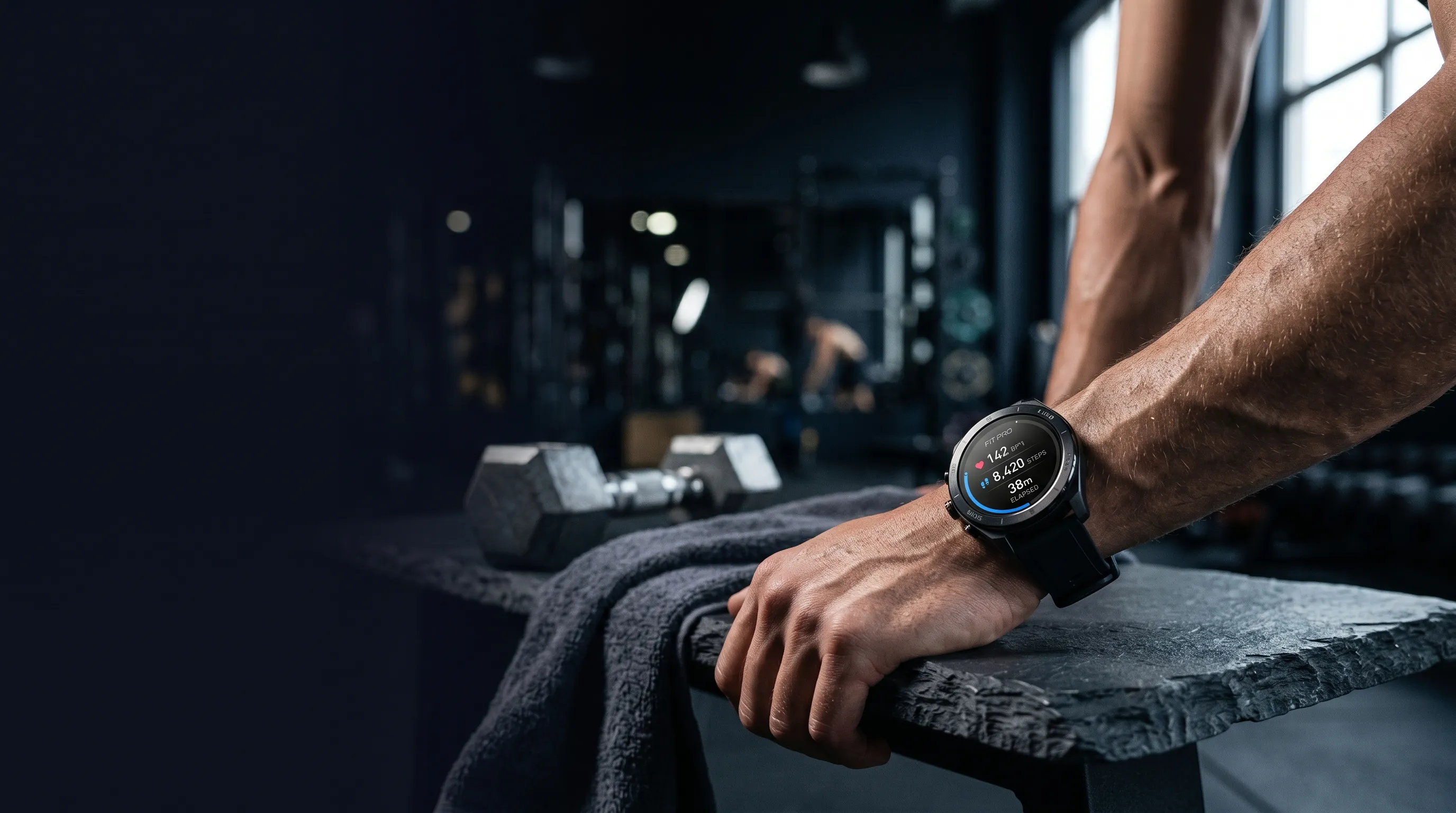
Choosing a Wearable for an AI Coach: The 5 Data-Quality Criteria That Actually Matter
The best wearable for an AI fitness coach isn't the most accurate one in the lab — it's the one whose overnight HRV, resting heart rate, and sleep flow cleanly into HealthKit every night. A decision framework for Apple Watch vs Oura vs WHOOP vs Garmin.
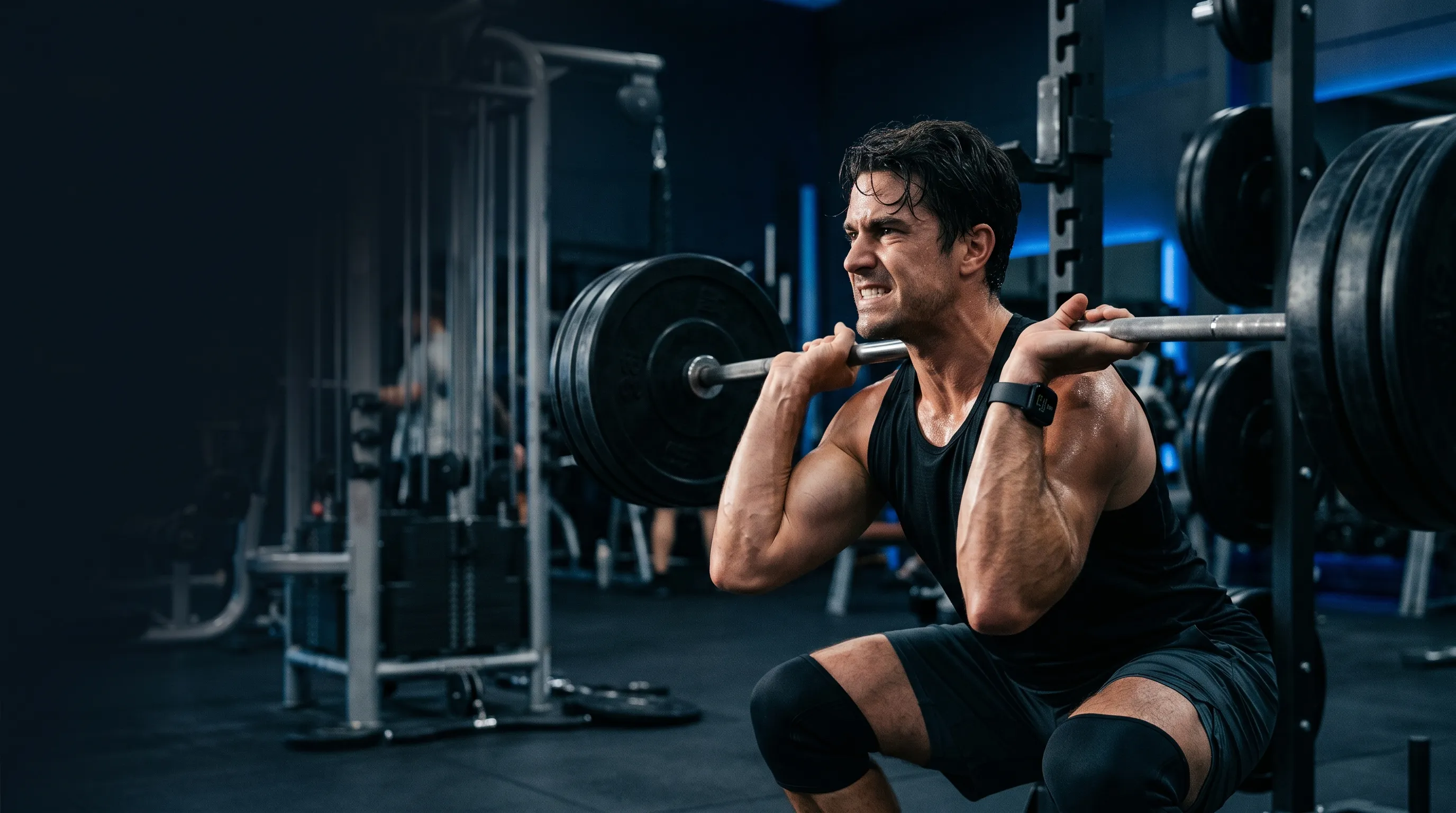
RPE and RIR Explained: How to Train by Effort, Not Just the Number on the Bar
RPE and RIR can help you describe lifting effort and adjust load, but they remain estimates. Learn how to use them without turning recovery data into false precision.
Magnesium for Sleep and Recovery: What Research Says About Forms, Doses, Safety, and HRV (2026)
Magnesium forms differ, human sleep trials remain limited, and wearables cannot prove causality. Review the evidence, label math, upper limit, kidney risk, and medication interactions.
Perimenopause Training: A Wearable-Driven Decision Framework For Lifting Through The Transition
An educational, strength-focused framework for using symptoms, sleep, recent training, and wearable trends as context during perimenopause.

Cardiac Drift and Aerobic Decoupling: What Your Heart Rate Tells You About Aerobic Fitness (2026 Research Guide)
Aerobic decoupling above 5% signals an aerobic-base or fueling problem. Cardiac drift itself is normal physiology. Here is how to read the difference.
AI Fitness App Privacy in 2026: What Actually Happens to Your Health Data
A practical framework for evaluating AI fitness app privacy in 2026 — what data they collect, where it goes, who sees it, and the questions that reveal what an app really does with your health data.
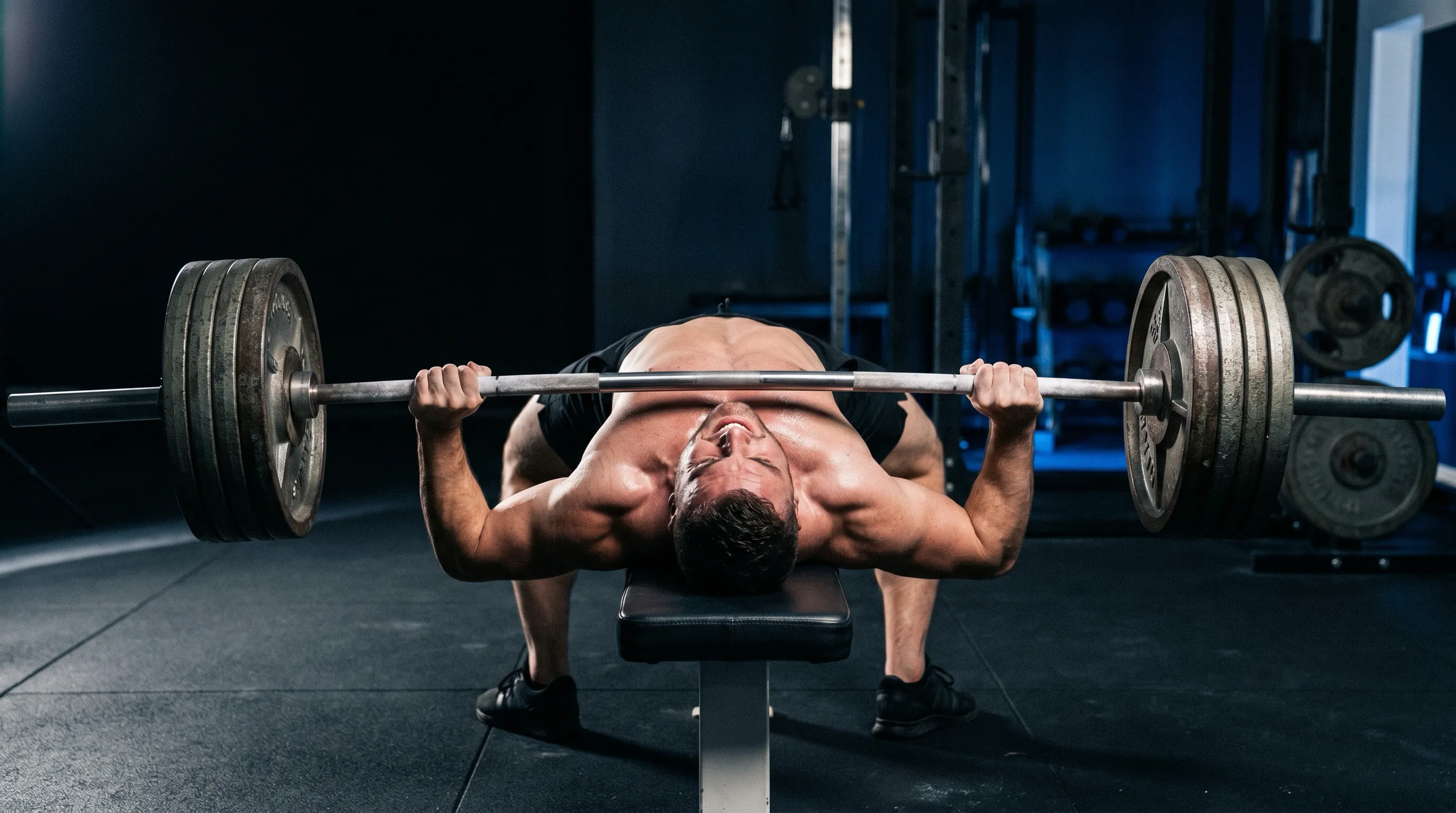
How to Bench Press: A Complete Form, Grip, and Programming Guide (Barbell, Dumbbell, Incline, and Close-Grip)
The bench press done right — setup, execution, grip width, variations, and programming, all backed by peer-reviewed biomechanics and shoulder-safety research.
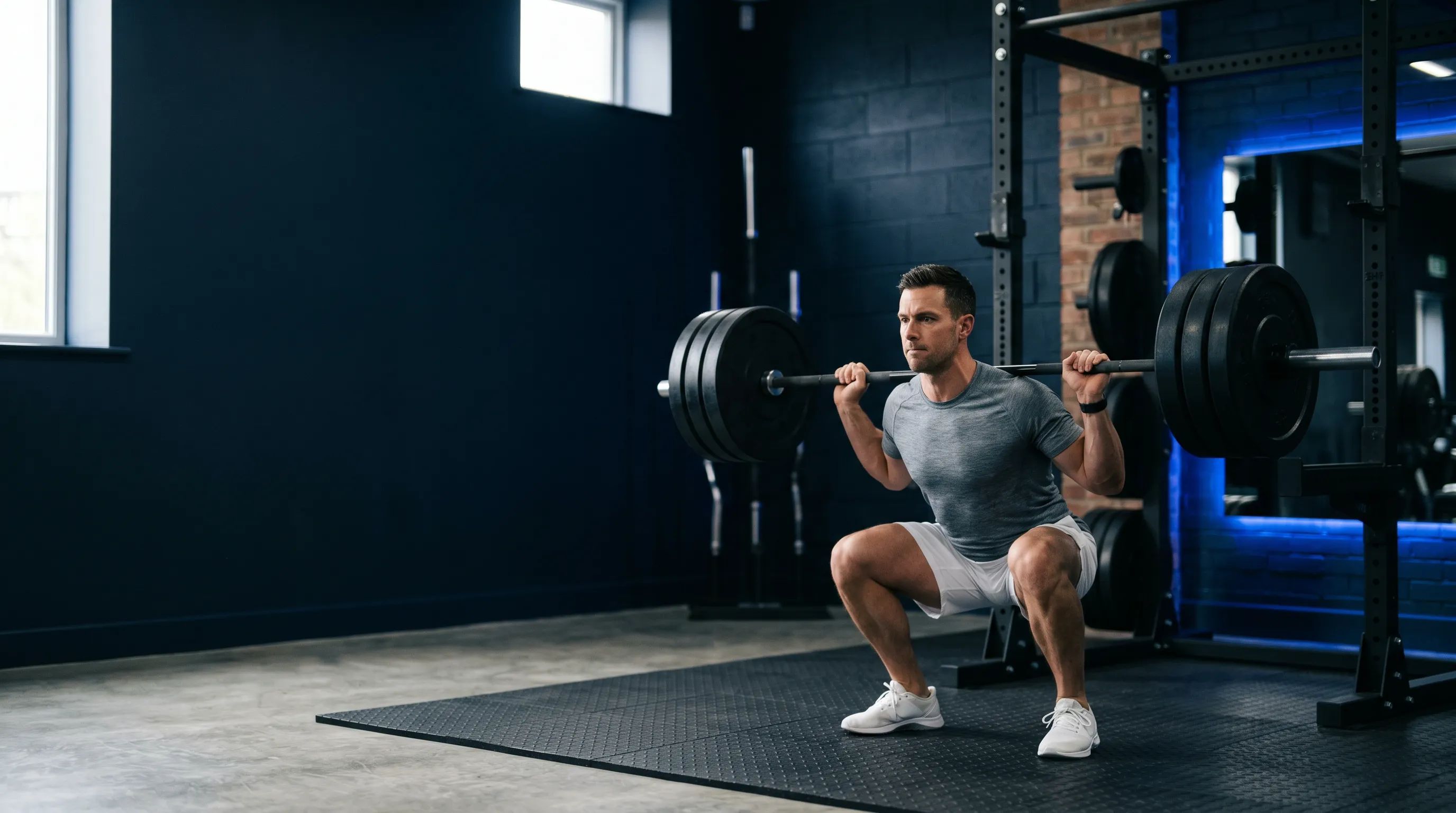
How to Squat: A Complete Form, Depth, and Programming Guide (Back, Front, and Goblet)
The barbell squat done right — setup, execution, depth science, variations, and programming, all backed by peer-reviewed biomechanics.
Adaptive AI Workout Apps in 2026: The Four Levels of Fatigue-Aware Training (and Why Most Apps Stop at Level 2)
A decision framework for evaluating AI workout apps that adapt to fatigue and explain why — separating real recovery-aware coaching from RPE tricks.
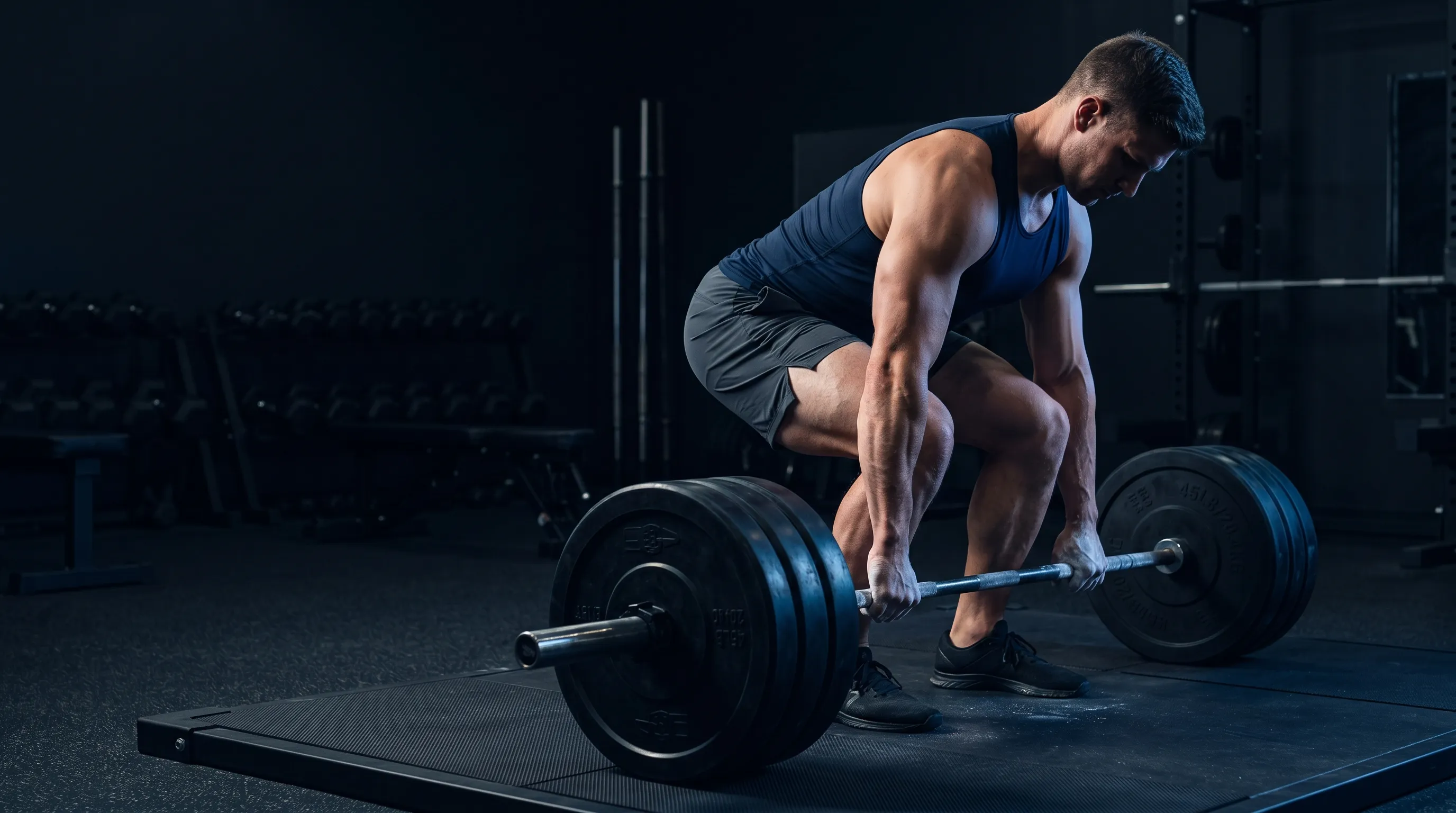
How to Deadlift: Form, Programming, and the Recovery Cost Most Guides Skip
An evidence-based guide to the deadlift — the four phases of the pull, conventional vs sumo selection by anatomy, beginner-to-intermediate programming, and an HRV-aware readiness framework for when to pull heavy.
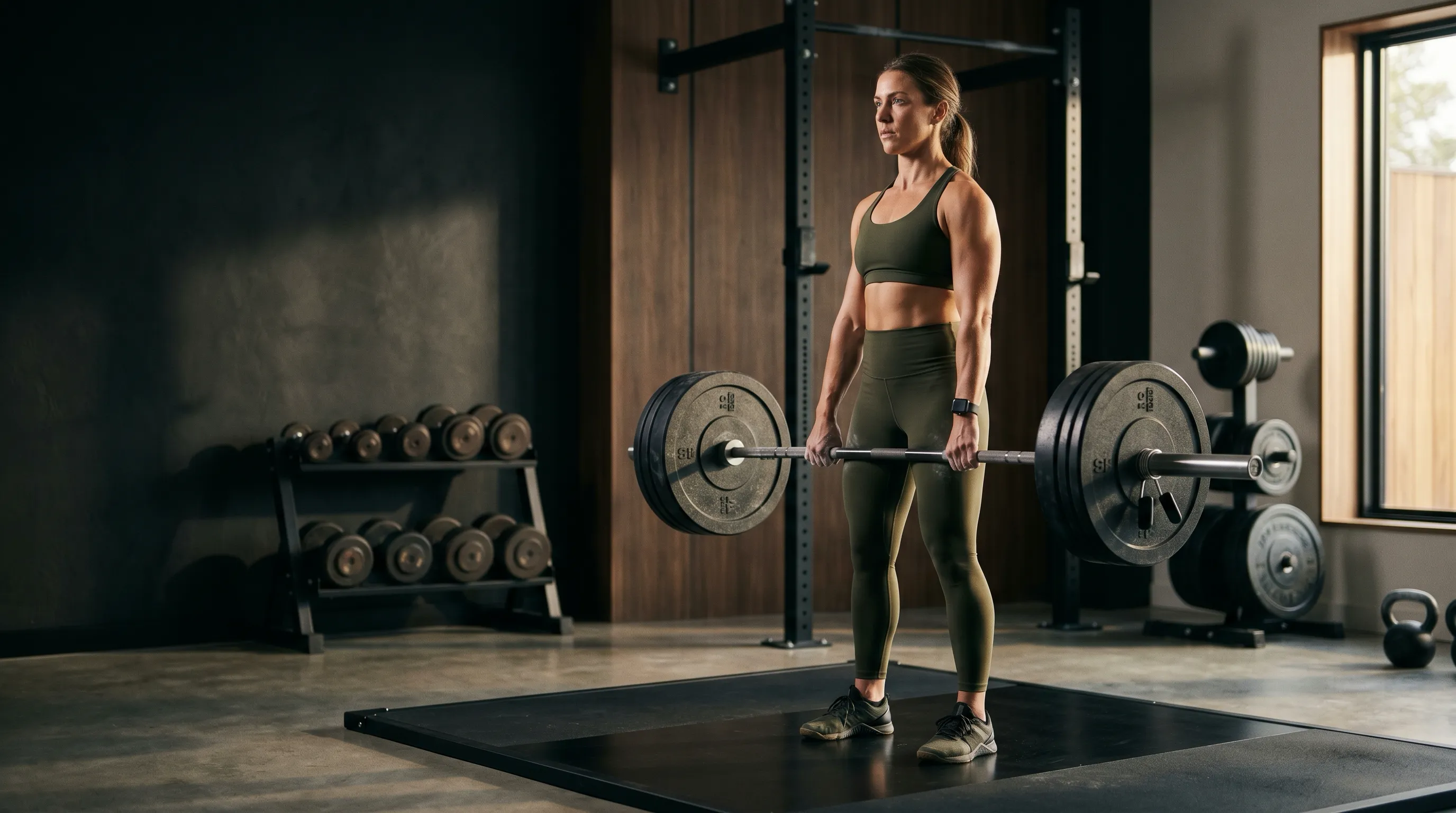
Strength Training for Women: The Evidence-Based Beginner's Guide
What research says about strength training for women, including muscle gain, a practical 12-week beginner program, recovery, and menstrual-cycle considerations.
How Much Training Volume Do You Need to Build Muscle?
What research on weekly sets can tell you, why proximity to failure matters, and how to use MEV, MAV, and MRV as coaching heuristics rather than exact thresholds.
Carbohydrate Periodization for Athletes: An Evidence-Based Framework for Matching Carbs to Training
How much carbohydrate do you actually need on a rest day vs an interval day vs a long run? The Fuel for the Work Required framework, train-low evidence, and a session-by-session lookup table grounded in Burke, Morton, and Jeukendrup.
Shoulder Pain Exercises: A Phase-Based Guide for Rotator Cuff and Subacromial Pain
An evidence-based, phase-based guide to shoulder exercise, load progression, red flags, and when rotator cuff or subacromial pain needs a clinician.
Fitbod Review 2026: Cost, Free Trial, and Is Fitbod Worth $15.99/mo? (7.5/10)
How much does Fitbod cost in 2026? $15.99/month or $95.99/year, with a 7-day trial and no permanent free tier. Our hands-on review: what the price buys, where the ML algorithm stops short, and the free alternatives worth taking instead.
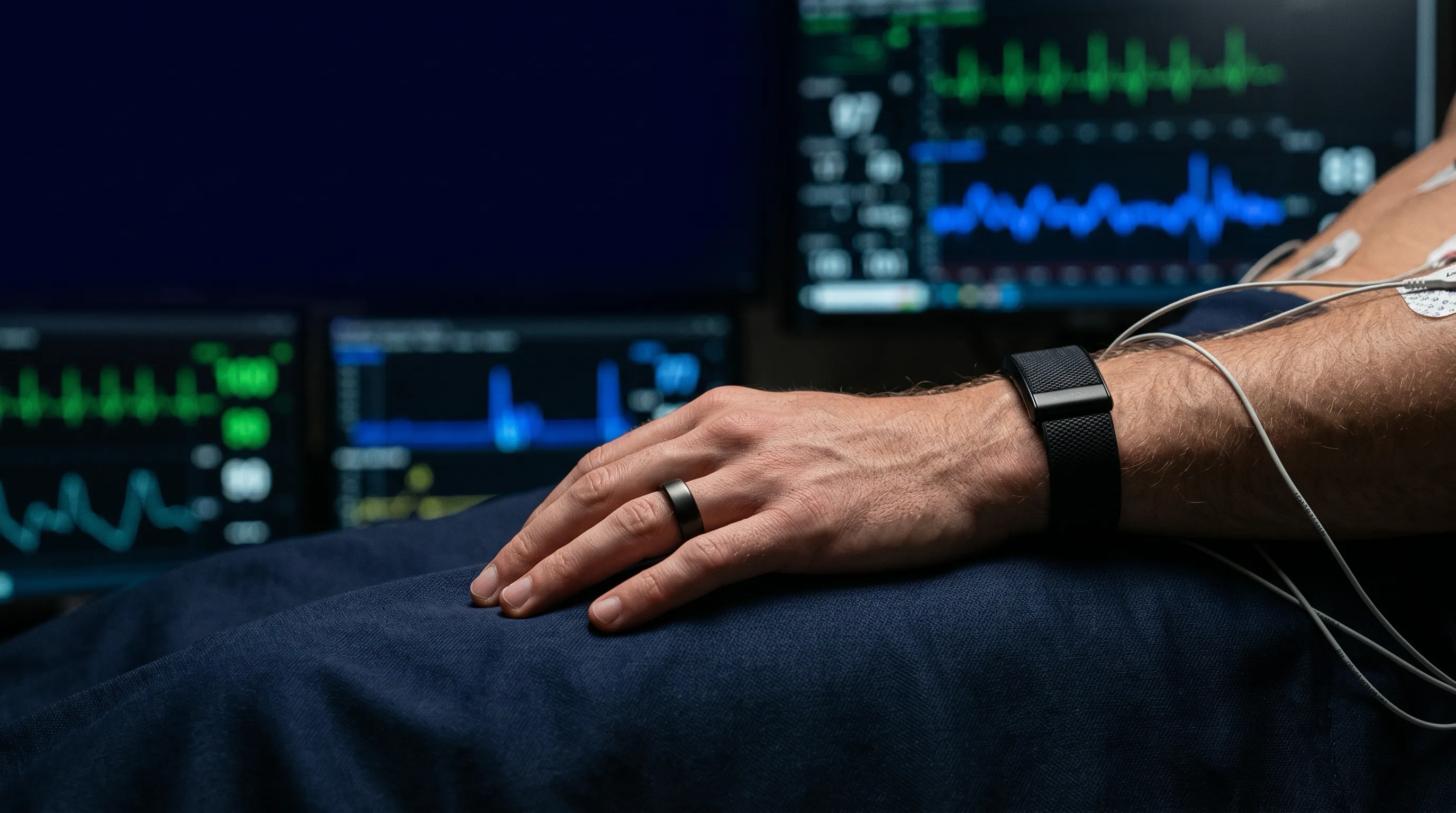
Wearable HRV Accuracy in 2026: What the Validation Studies Actually Say About Oura, WHOOP, Garmin, and Apple Watch
A peer-reviewed look at how accurately consumer wearables measure HRV against ECG. The Dial 2025 results, what concordance correlation coefficients actually mean, and why composite recovery scores are not the same thing.
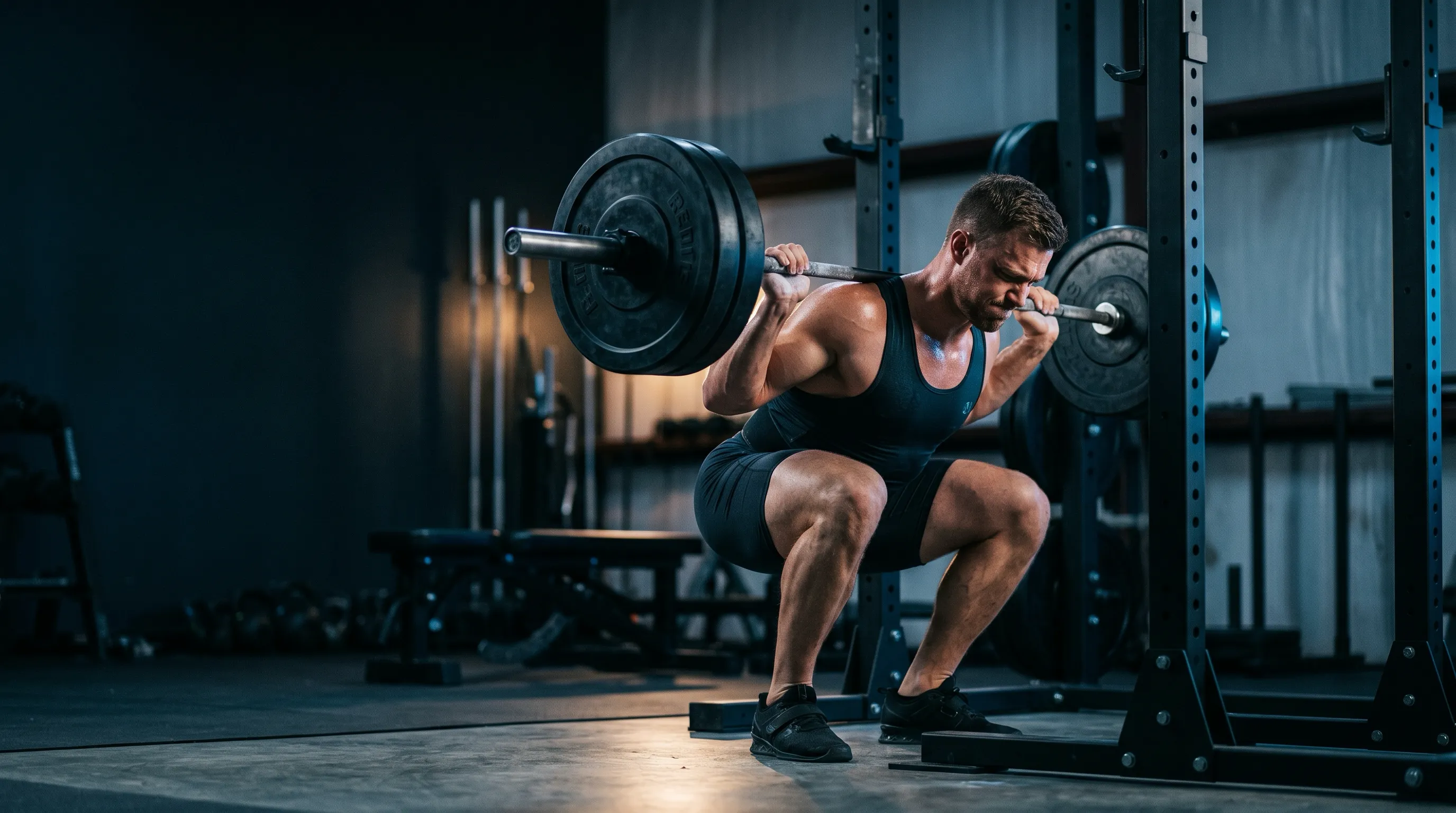
How to Build Muscle: An Evidence-Based Guide to Hypertrophy in 2026
A research-backed guide to building muscle. Volume, proximity to failure, rep ranges, protein, and recovery — what the 2017-2024 literature actually says.

Polarized vs Threshold vs Pyramidal Training: What Current Research Actually Says
Polarized, threshold, or pyramidal? Compare the evidence, learn why zone-counting methods matter, and choose an intensity distribution for your context.
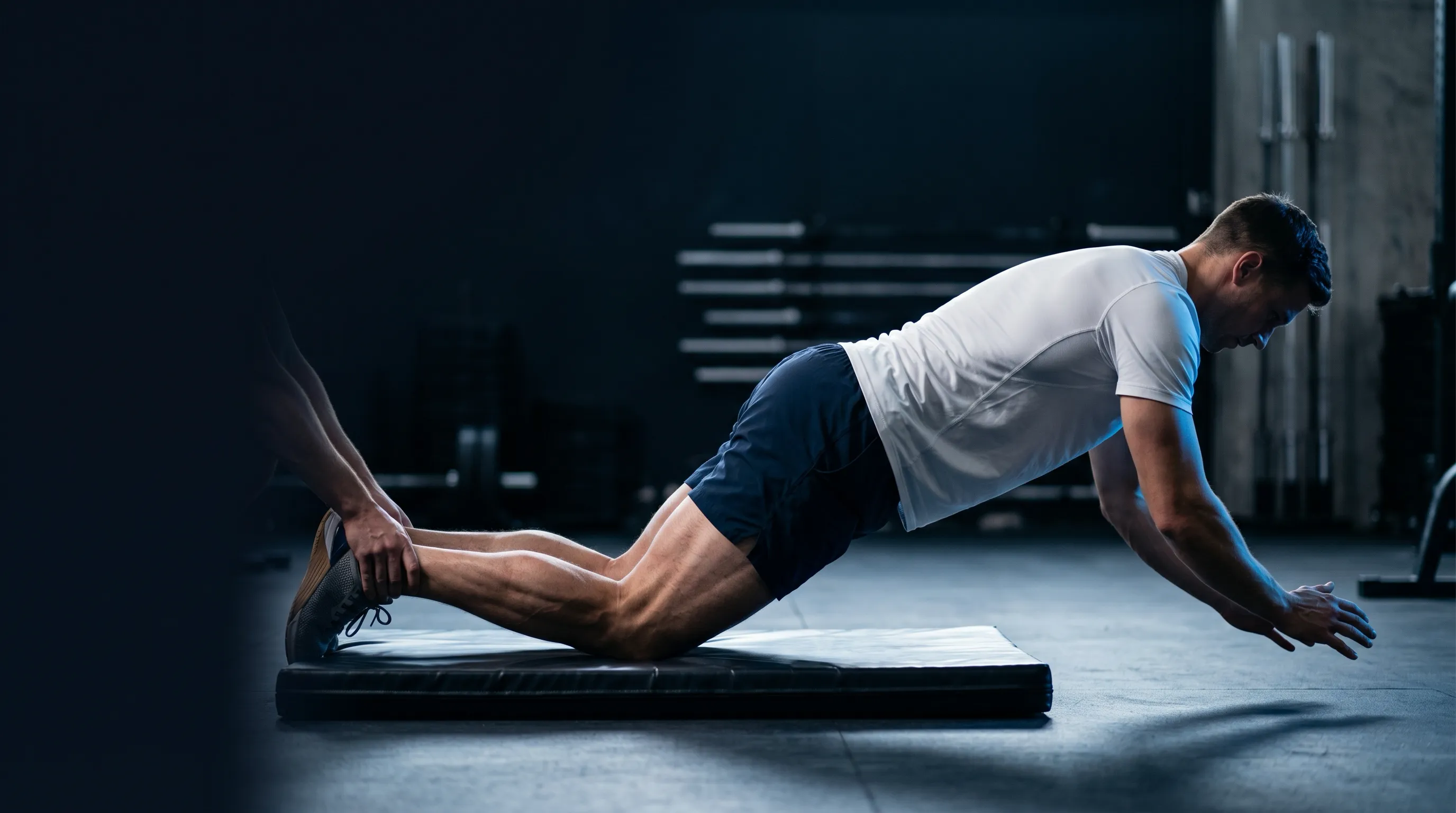
How to Strengthen Your Hamstrings: An Evidence-Based Guide to Eccentric Training and Injury Prevention
How to strengthen your hamstrings with the eccentric training methods sports medicine has validated for 20+ years. Includes the Nordic curl evidence base, an 8-week protocol, an exercise comparison table, and self-screens for asymmetry and weakness.
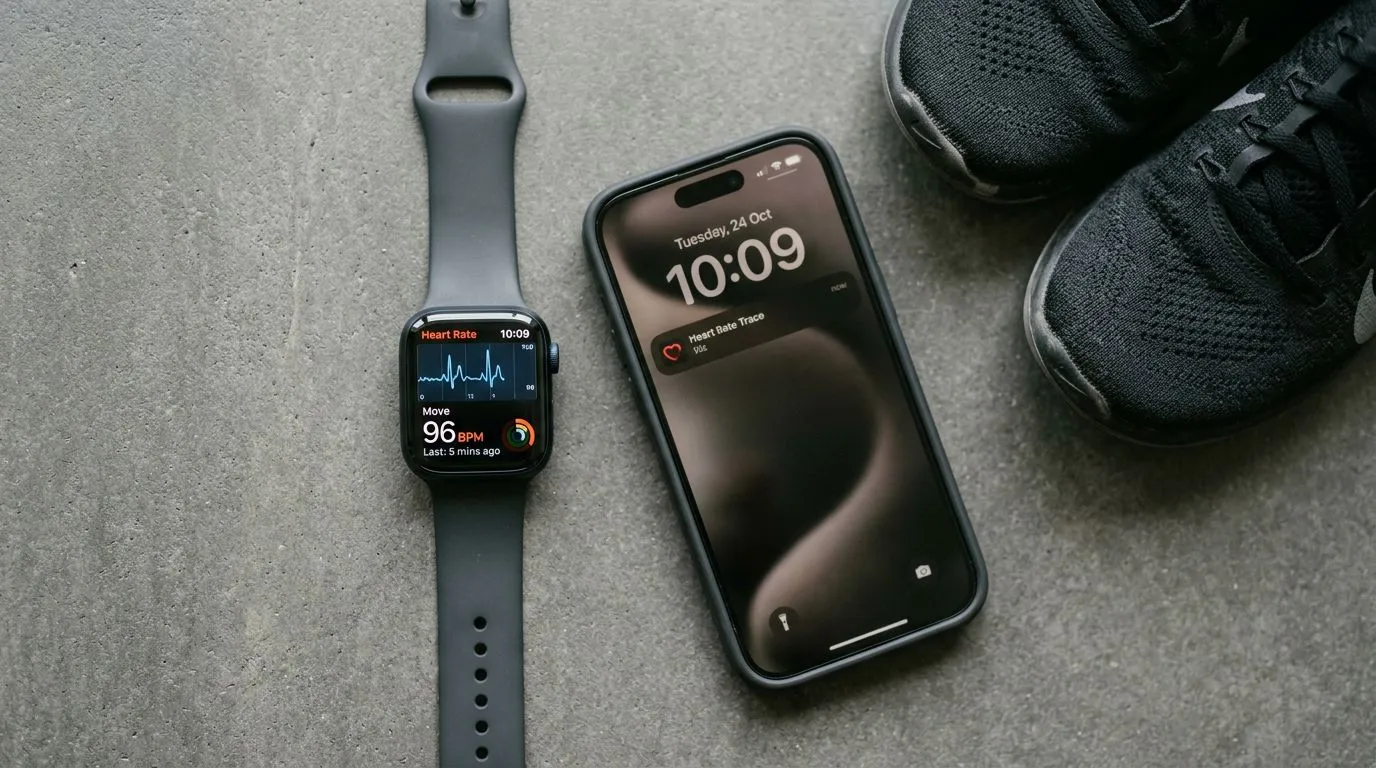
Best AI-Powered Fitness Apps in 2026: 10 Tested for What Their AI Sees
We tested 10 AI-powered fitness apps and ranked them by the data their AI actually reads — wearable recovery, your workout logs, or a one-time intake form. Verified US App Store pricing and ratings for SensAI, Fitbod, Juggernaut AI, Freeletics and 6 more.
How to Evaluate Explanations From an AI Workout Coach
A five-question test for useful AI workout explanations: verified inputs, uncertainty, memory limits, safe changes, and clear medical boundaries.
Hevy vs Strong vs Fitbod vs Jefit: Best Workout Tracker App in 2026
A no-fluff comparison of Hevy, Strong, Fitbod, and Jefit in 2026 — verified pricing, real differences, and clear verdicts for every type of lifter.
The Interference Effect: How to Combine Cardio and Strength While Protecting Your Gains (2026 Evidence)
What 45 years of research — from Hickson 1980 to the 2024 meta-analyses — says about combining cardio and strength with manageable trade-offs.
Best AI Personal Trainer Apps in 2026—and When a Human Coach Is Better
SensAI, Fitbod, Freeletics, JuggernautAI, Future, and Caliber compared by what actually adapts: LLM coaching, algorithms, recovery data, workout feedback, and human accountability.
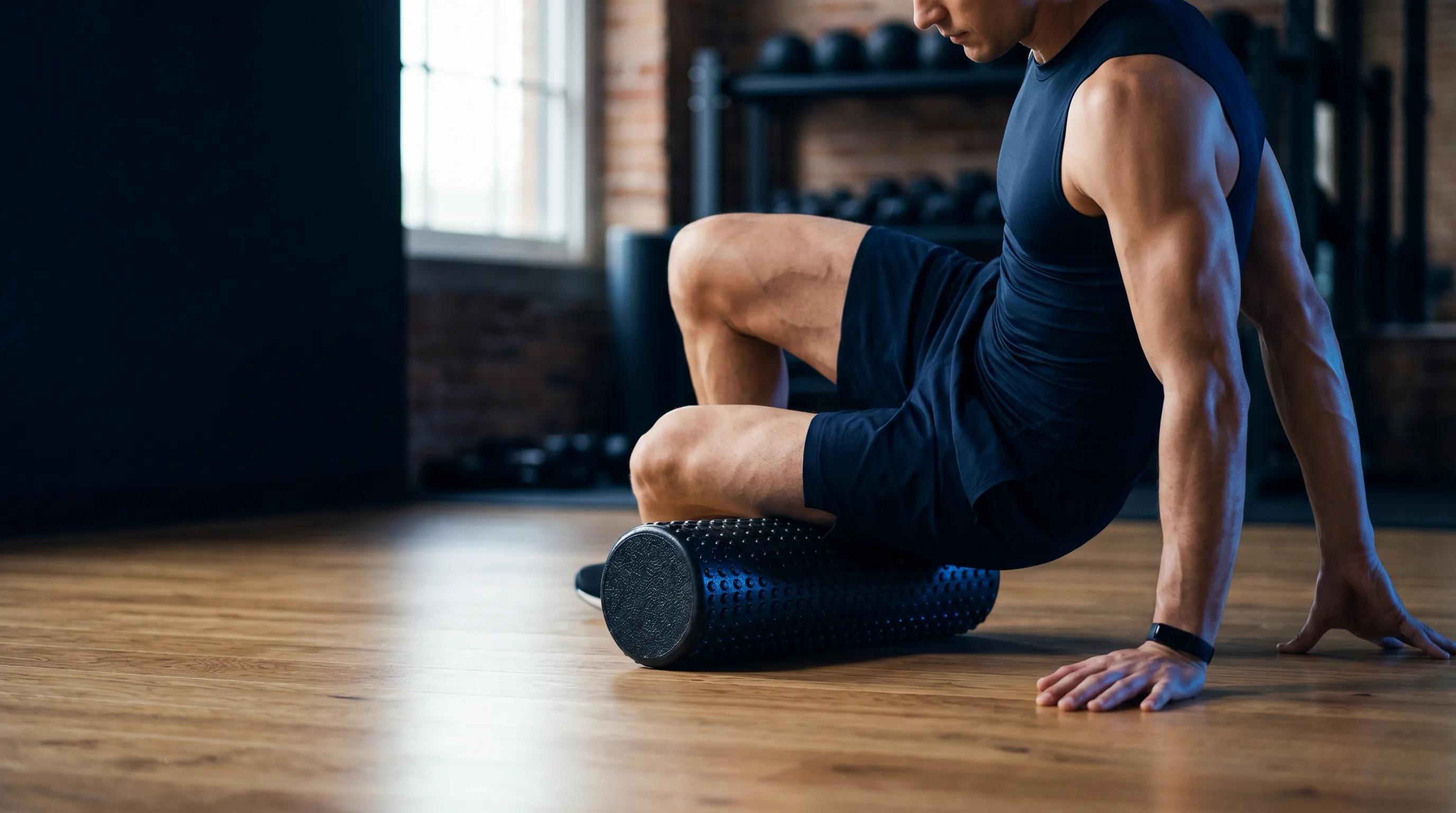
Does Foam Rolling Actually Work? What 2022-2026 Research Says About DOMS, Flexibility, and Recovery
Recent meta-analyses reveal foam rolling has small, real benefits — and the chronic flexibility claims don't hold up. An evidence-based audit with effect sizes, expert insight, and a wearable-data framework to test if it's working for you.
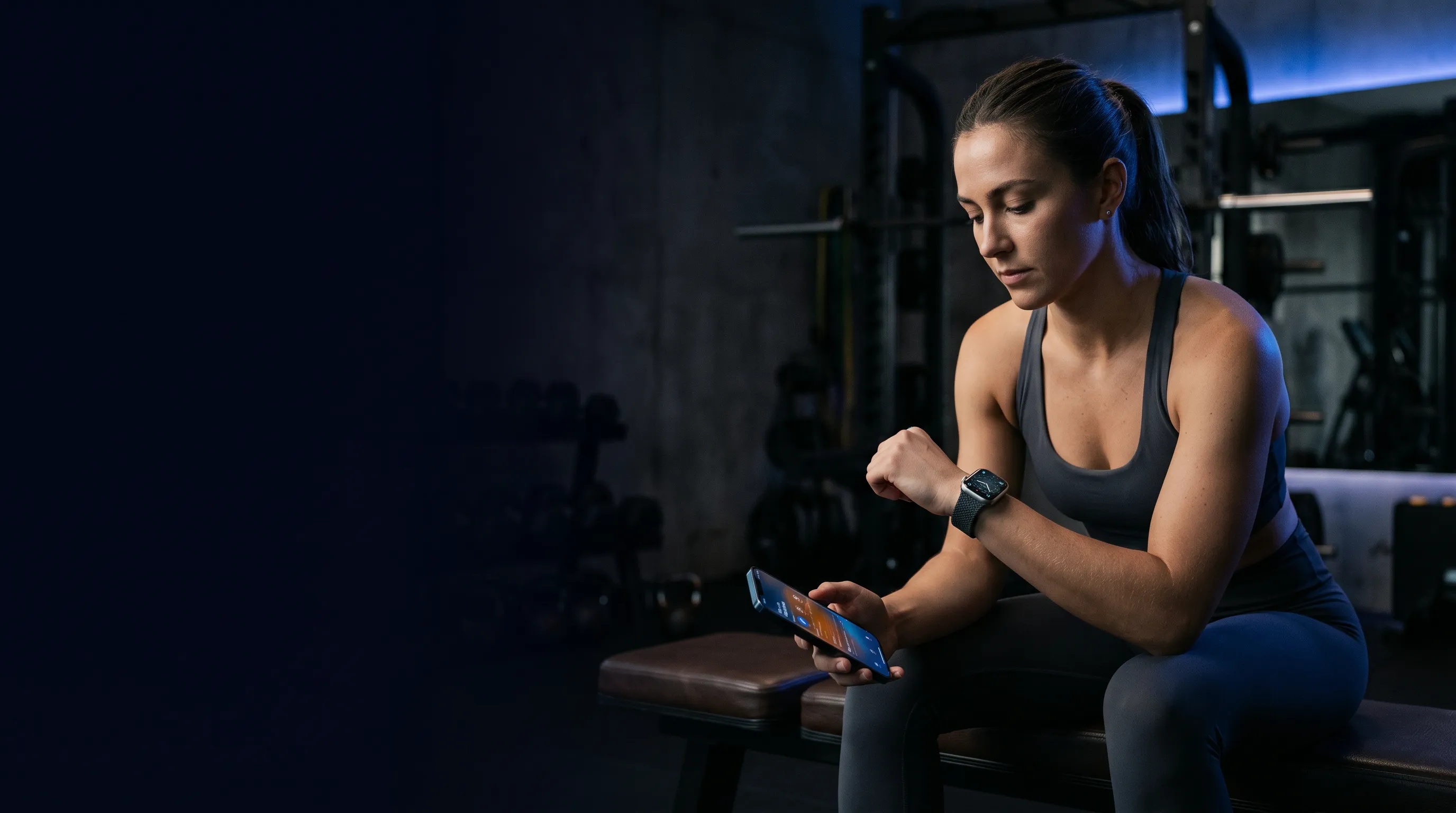
Workout Apps That Adjust for Fatigue: What Actually Adapts in 2026
Compare recovery guidance, performance-based progression, daily adaptive plans, and user-requested workout changes without treating wearable scores as diagnoses.
Hevy vs Strong (2026): Verified Prices, Free Limits, and the Honest Winner
Hevy Pro is $2.99/mo, $23.99/yr, $74.99 lifetime; Strong PRO is $4.99/mo, $29.99/yr, $99.99 forever — both verified July 2026. Hevy wins on programming, Android and price; Strong on iOS and Apple Watch. Plus what each free tier really caps.
How to Increase HRV: A Wearable-Data Guide to Raising Heart Rate Variability
Stop chasing a higher HRV number. Learn the five evidence-backed levers that raise your rolling baseline, realistic timelines, and how to use your own wearable data to pick what to change first.
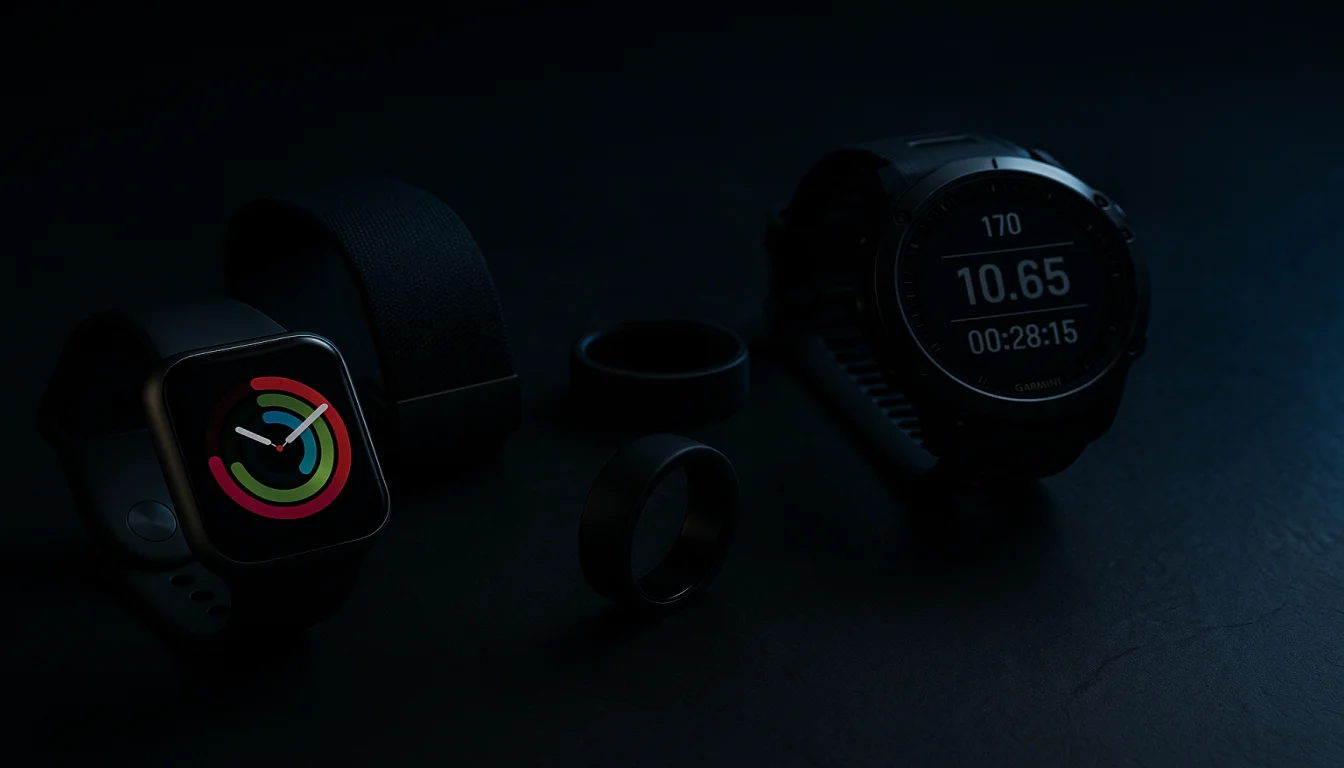
Apple Watch vs Oura Ring vs WHOOP vs Garmin: Which Fitness Tracker Should You Actually Buy in 2026?
A research-backed comparison of the four leading fitness trackers — HRV accuracy, battery life, workout tracking, HealthKit integration, and 3-year cost — with clear if/then verdicts for every type of athlete.
Knee Pain Exercises: A Phase-Based Guide to Patellofemoral, IT Band, and Overuse Symptoms
A phase-based educational guide to knee-pain exercise options, sample sets and reps, symptom monitoring, load progression, red flags, and when to seek assessment.
Couch to 5K: A Data-Driven Approach to Running Your First 5K
The full nine-week Couch to 5K plan, why the run-walk method works, and how to use HRV, sleep, and resting heart rate to decide which scheduled days to actually run.
How Many Calories Should I Eat? A Research-Backed Guide to Finding Your Number
Your calorie target is a first draft, not a prescription. Calculate with Mifflin-St Jeor, adjust for your goal, then recalibrate with real-world data — because adaptive thermogenesis means the number changes. Evidence-based protocol with wearable accuracy caveats.
What to Eat Before a Workout: Evidence-Based Pre-Workout Nutrition Guide
What to eat before a workout, by time window and session type. Evidence-based g/kg targets, hydration, caffeine timing, and what actually works.
Best Workout Apps in 2026: Verified Prices for Gym, Home, and AI Coaching
Nike Training Club is free, Hevy $23.99/yr, Strong $23.99–$29.99/yr, SensAI $69.99/yr, Fitbod $79.99–$95.99/yr. Verified August 2026 App Store pricing across eleven workout apps — gym loggers, home and no-equipment picks, class libraries, and recovery-aware AI.

How to Improve Posture: Evidence-Based Exercises That Actually Fix Rounded Shoulders, Forward Head, and Lower Back Strain
A 4-week posture correction protocol with self-assessment tests, mobility drills, and strengthening exercises for the three most common desk worker dysfunctions. Research-backed dosing, not generic stretch lists.
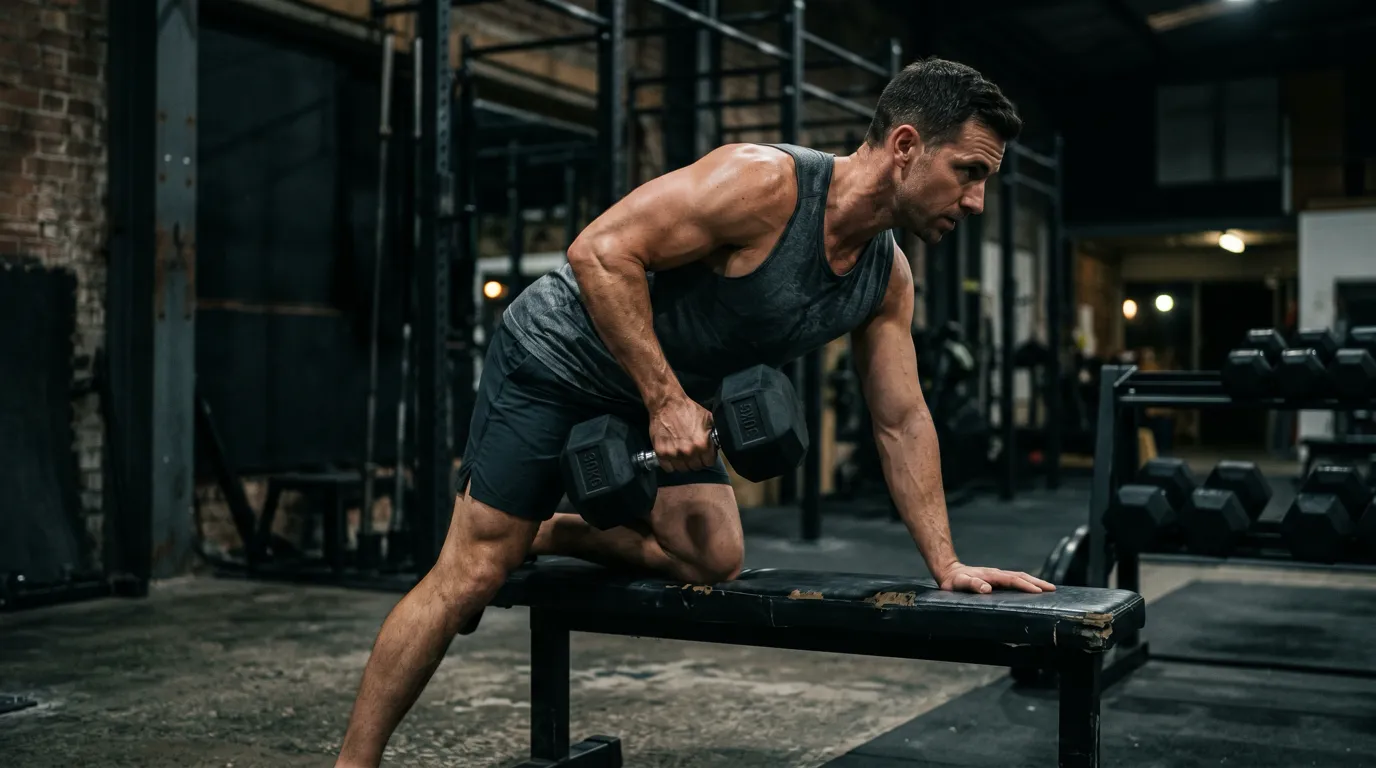
Dumbbell Workout Plan: The Evidence-Based Program for Building Muscle With Just Dumbbells
A research-backed 3-day dumbbell-only program with progressive overload strategies for when you can't just add weight. Includes no-bench alternatives, 12 exercises by movement pattern, and an 8-week progression.

Hip Mobility Exercises: A Research-Backed Routine to Unlock Tight Hips From Sitting All Day
Evidence-based hip mobility protocol with specific dosing — 6 exercises targeting both hip flexor tightness and gluteal inhibition from prolonged sitting. Desk-break micro-routines to full sessions, with a 4-week progression.
Strength Training After 40: What Changes, What the Research Says, and How to Program Around It
Learn what aging research does and does not show about muscle, protein, recovery, and resistance training, with an adaptable example for experienced adults over 40.
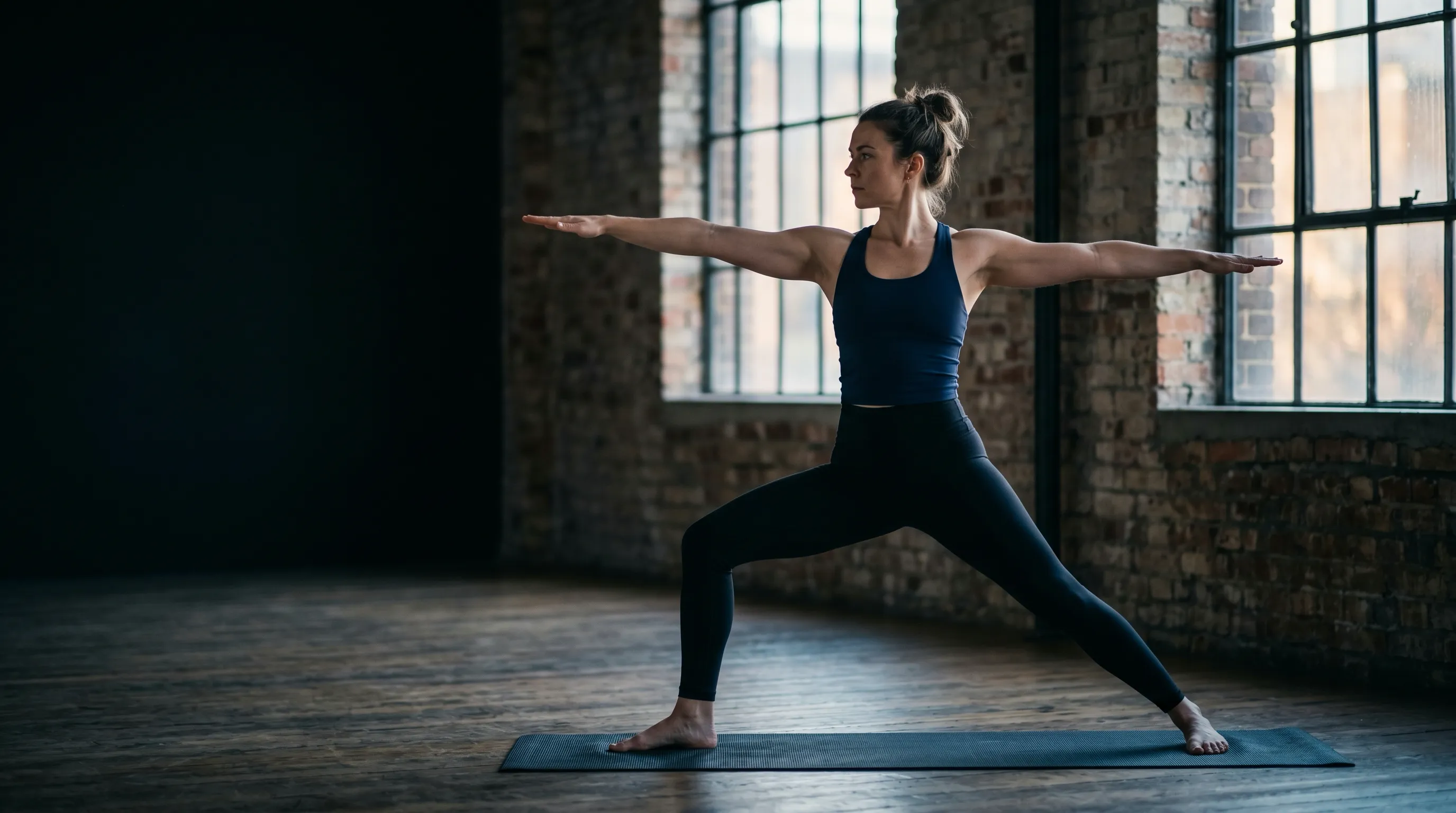
Yoga for Beginners: How to Start, What the Research Says, and a Simple First Routine
An evidence-aware beginner yoga guide covering styles, realistic benefits, safety, and a gradual four-week starter routine.
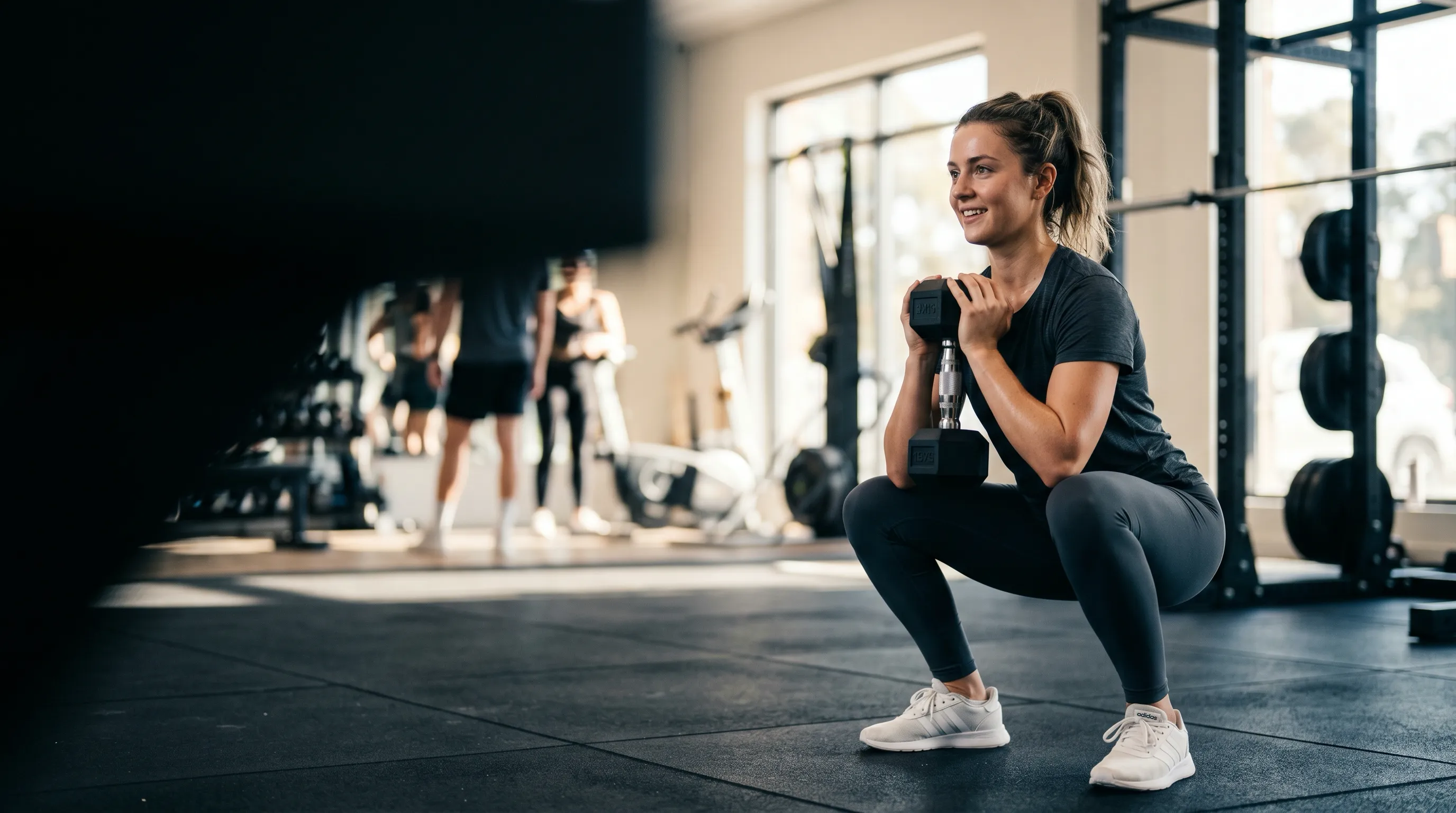
Beginner Gym Workout Plan: The Evidence-Based Program for Your First 8 Weeks of Strength Training
A two-phase beginner gym program with exact exercises, sets, reps, RPE targets, and weekly progression. Phase 1 builds movement patterns (2x/week), Phase 2 adds progressive overload (3x/week). Evidence-backed, not template-based.

Walking for Weight Management: Steps, Interval Walking, and Heart-Rate Context
Learn what step-count, interval-walking, and heart-rate studies actually show—and how to build a walking routine without universal fat-burning targets.
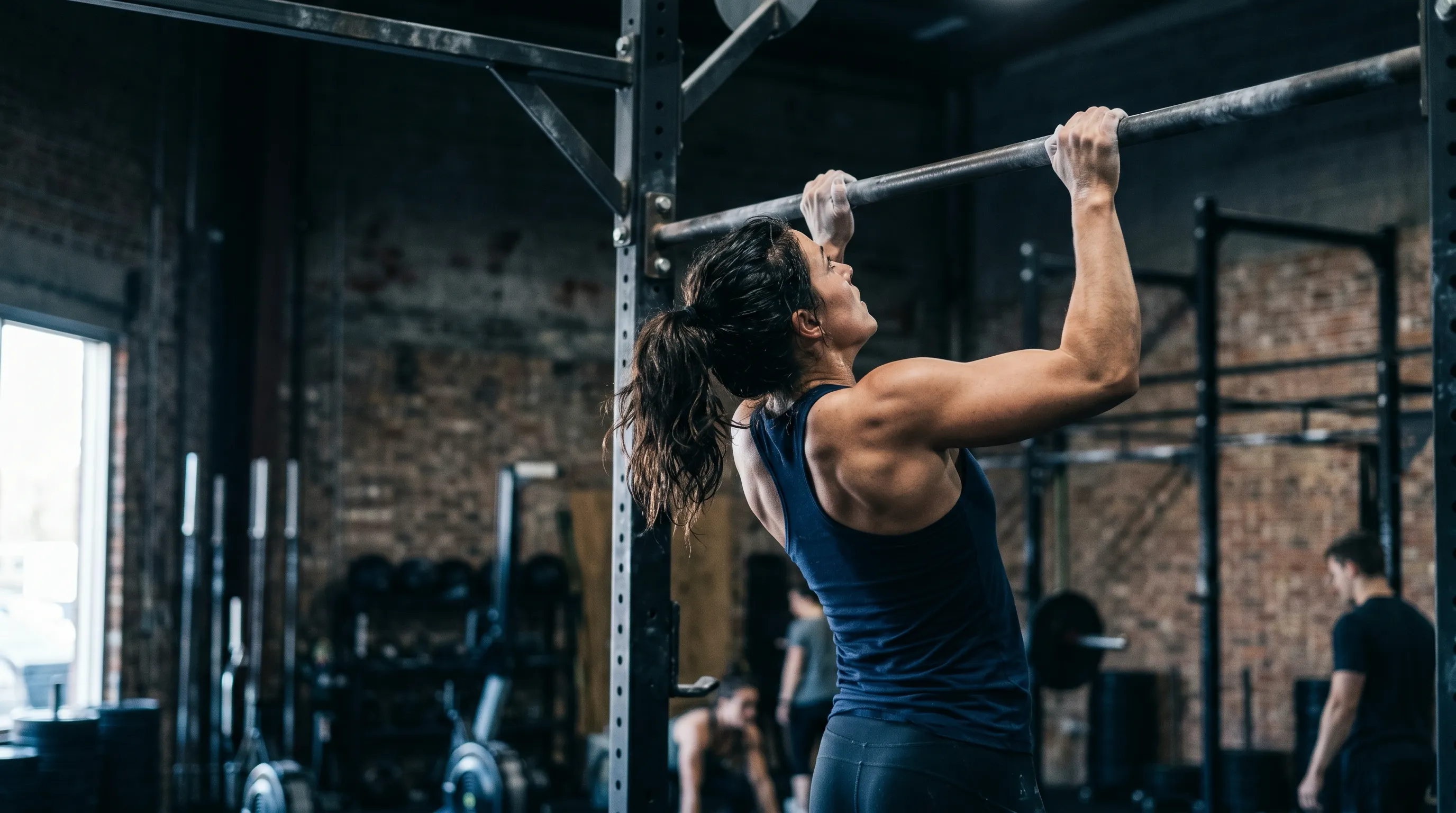
How to Do Your First Pull-Up: A Research-Backed Progression From Dead Hang to Strict Rep
A five-phase pull-up progression with evidence-based sets, reps, frequency, and advancement criteria at every step. From dead hang to your first strict rep — with specific protocols for women and beginners.
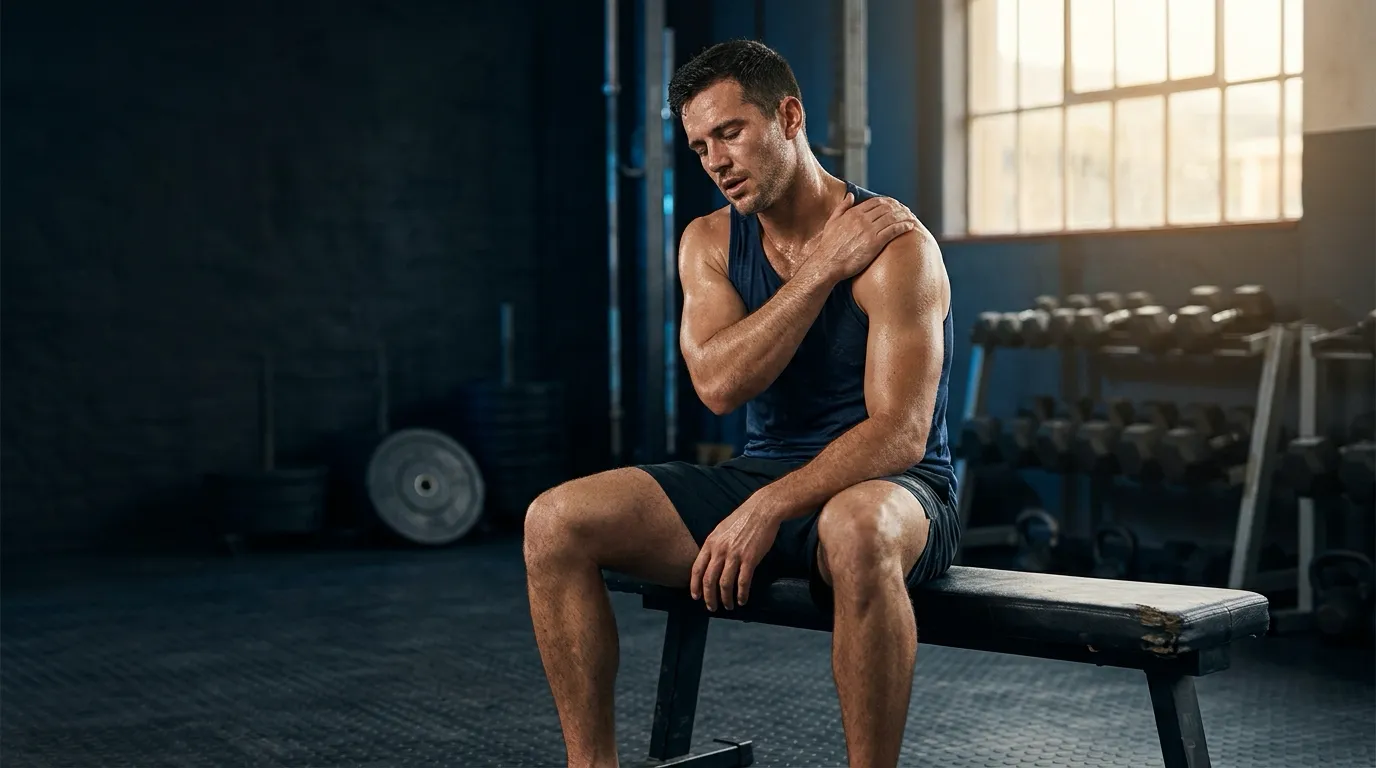
Muscle Soreness After Working Out: What DOMS Actually Means, When to Train Through It, and When to Rest
What causes DOMS, how long it lasts, when to train through soreness vs rest, and why your wearable readiness score and muscle soreness measure different things. Evidence-based guide with decision framework.
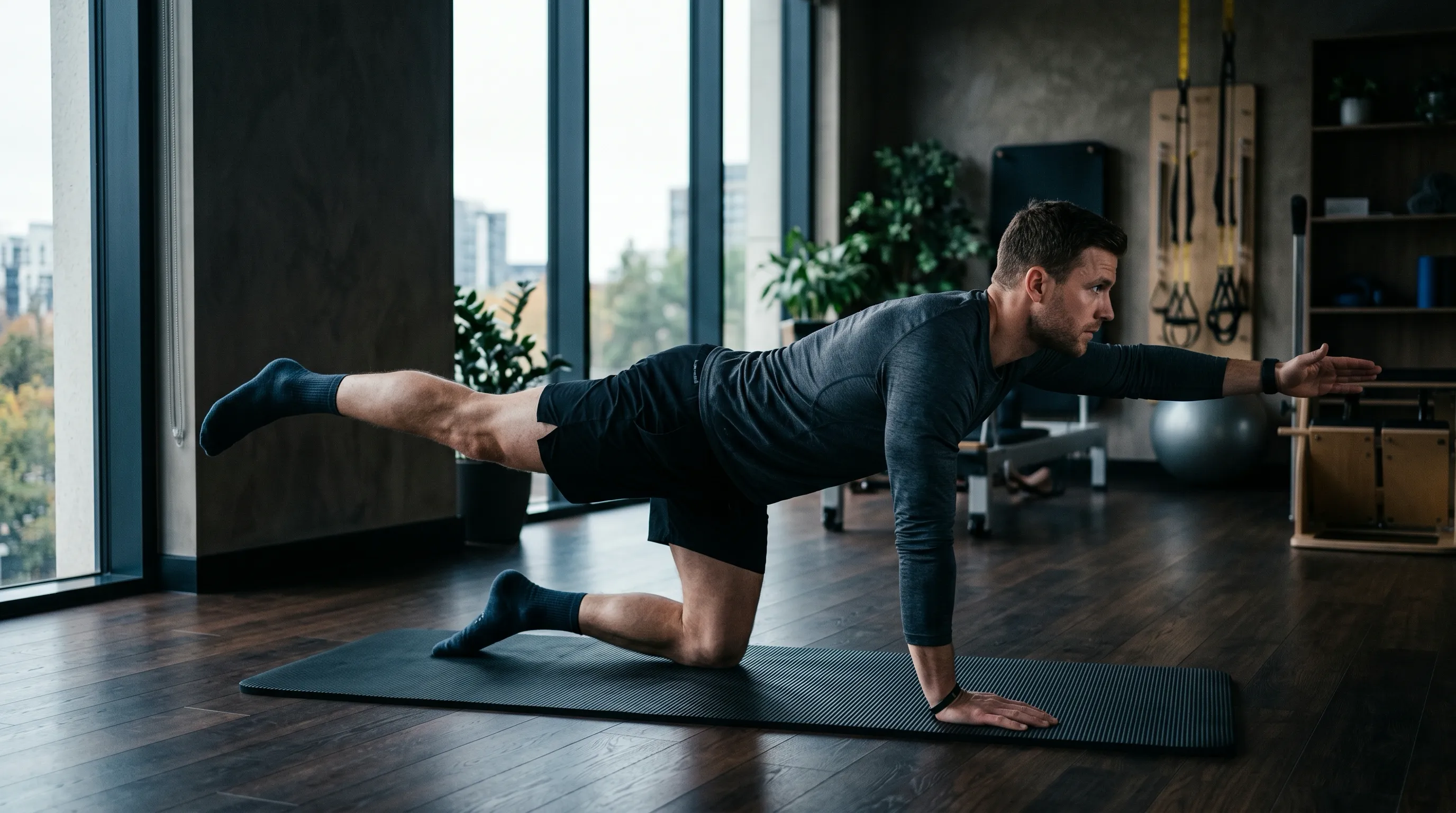
Lower Back Pain Exercises: Research-Based Options for Relief and Long-Term Activity
Research-based lower back pain exercise options for early symptom management, stabilization, and long-term activity, with safety guidance and adaptable sample doses.
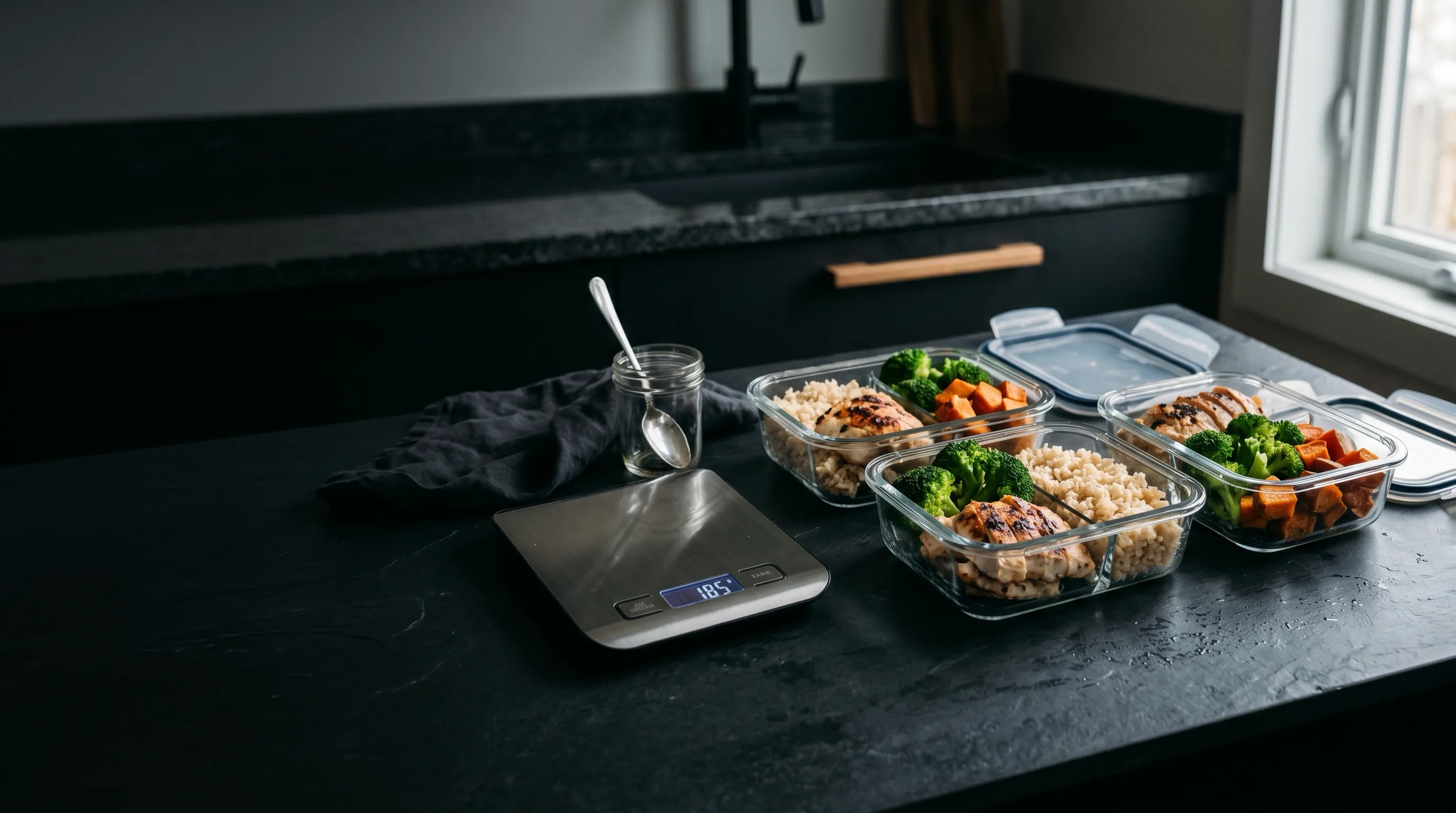
How to Count Macros: A Step-by-Step Guide for Beginners
How to count macros from scratch — evidence-based TDEE calculation, protein-first macro splits from the 2025 research, tracking tips that stick, and the adaptive recalibration loop most guides skip.

Full Body Stretching Routine: What the Research Actually Recommends for Flexibility, Recovery, and Health
Evidence-based stretching routine with specific dosing from the 2025 Delphi consensus — how long to hold, how often, and what stretching actually does (and doesn't do) for flexibility, recovery, and cardiovascular health.

Exercise for Depression and Anxiety: What the 2026 Research Actually Prescribes
Evidence-based exercise prescriptions for depression and anxiety — specific intensity, frequency, and duration backed by the 2024 BMJ network meta-analysis and SMILE trials. Plus how HRV and wearable data make the dose trackable.
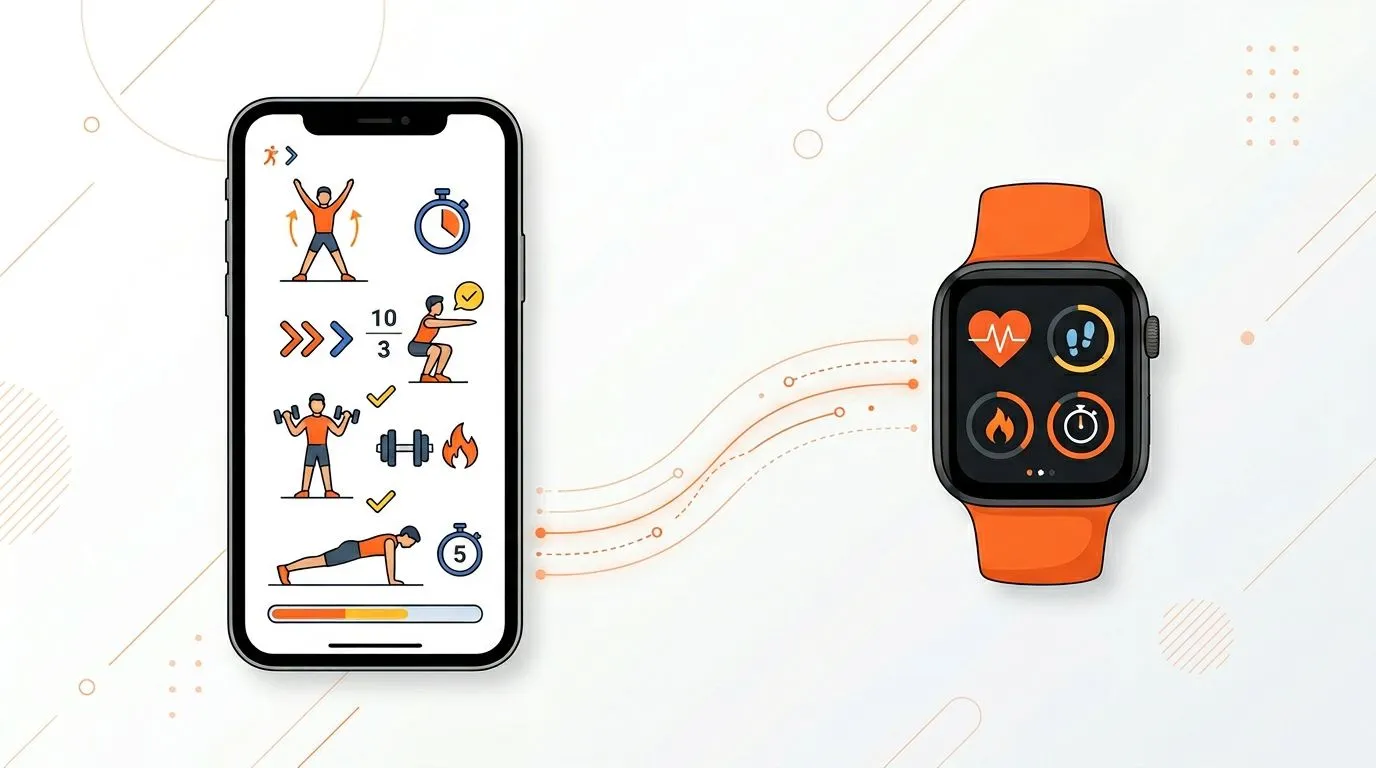
AI Workout Generators: How They Work and What to Look For
How AI workout generators build your training plan, the three types available, and why wearable data from your Apple Watch or Garmin changes what personalized programming actually means.
HIIT vs Zone 2: Why Most People Get the Ratio Wrong (2026 Guide)
HIIT vs Zone 2 cardio — the science of each, when to use which, and why most recreational exercisers drift into the grey zone between them. Evidence-based ratio, weekly schedules, and how to know which zone you're actually in.
Body Recomposition: How to Lose Fat and Build Muscle at the Same Time
Body recomposition explained — the science of losing fat and building muscle simultaneously. Who it works for, how to set up training and nutrition, and what to track instead of the scale.
Hevy vs Strong vs Fitbod: Which Workout App Is Actually Worth It in 2026?
A direct head-to-head comparison of Hevy, Strong, and Fitbod in 2026 — verified pricing, real feature differences, and clear verdicts for every matchup.

Active Recovery: What It Is, Why It Works, and How to Do It Right
Learn the science behind active recovery, the best exercises for rest days, optimal timing, and how wearable data can personalize your recovery protocol.
Grip Strength and Longevity: How to Test, Benchmark, and Train the Biomarker That Predicts How Long You'll Live
A 4-step protocol to test, benchmark, and train your grip strength — the single metric that predicts mortality better than blood pressure. Includes age-specific norms, an 8-week training plan, and retest benchmarks.
VO2 Max Decline with Age: What the Fick Equation Can—and Cannot—Explain
A longitudinal study links age-related VO2 peak decline with peripheral oxygen utilization. Here is what the evidence means for training without one-size-fits-all prescriptions.
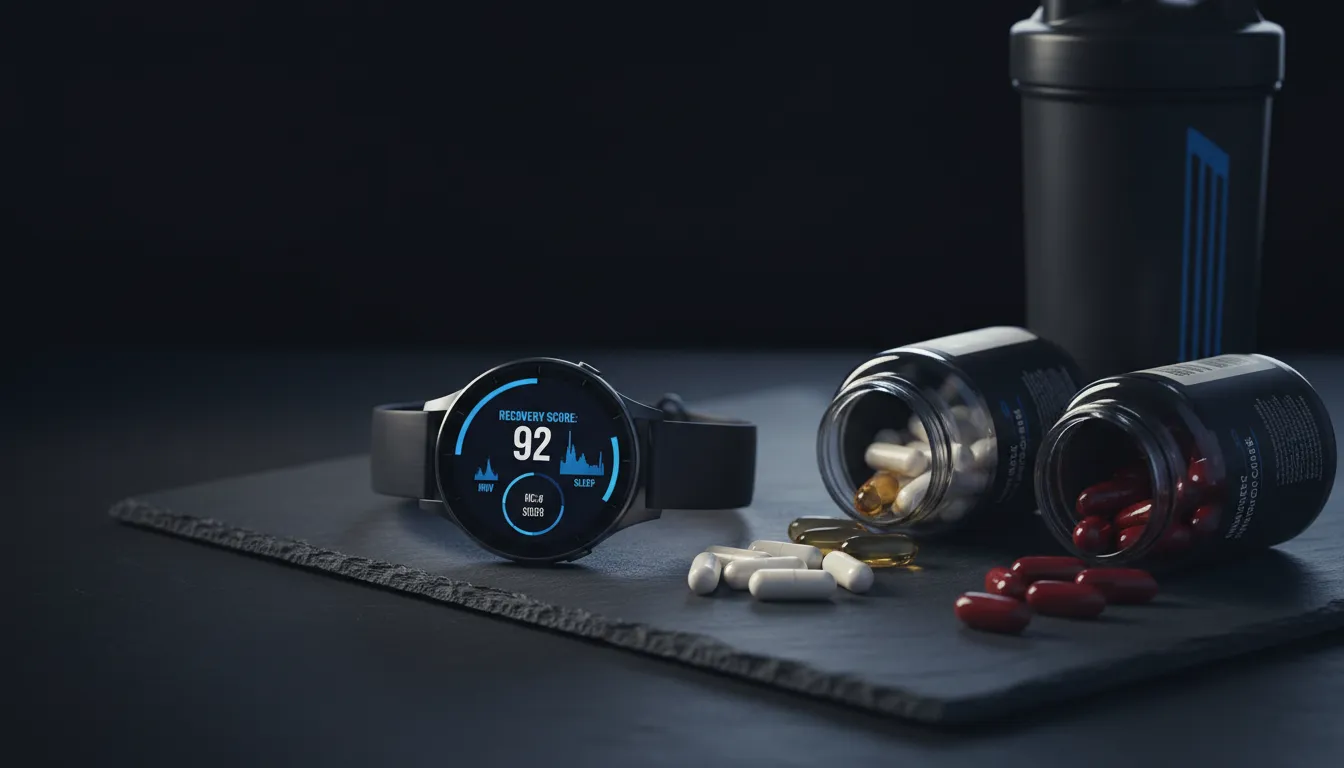
Supplements and Wearable Recovery Scores: What the Research Can—and Can't—Tell You
A safety-first review of magnesium, omega-3, tart cherry, ashwagandha, creatine, vitamin D, and what wearable recovery trends can actually show.
Your Body Is Lying: When Wearable Data and Perceived Recovery Disagree on Deload Timing
When your wearable says rest but you feel fine (or vice versa), use this 4-question decision filter to resolve perception-vs-data mismatches and time deloads correctly.
Protein Timing Around Workouts: What the Evidence Actually Says (And When It Matters)
Five decision paths for protein timing based on your situation — training fasted or fed, being an older adult, cutting, or training twice a day. Research-backed, no broscience.
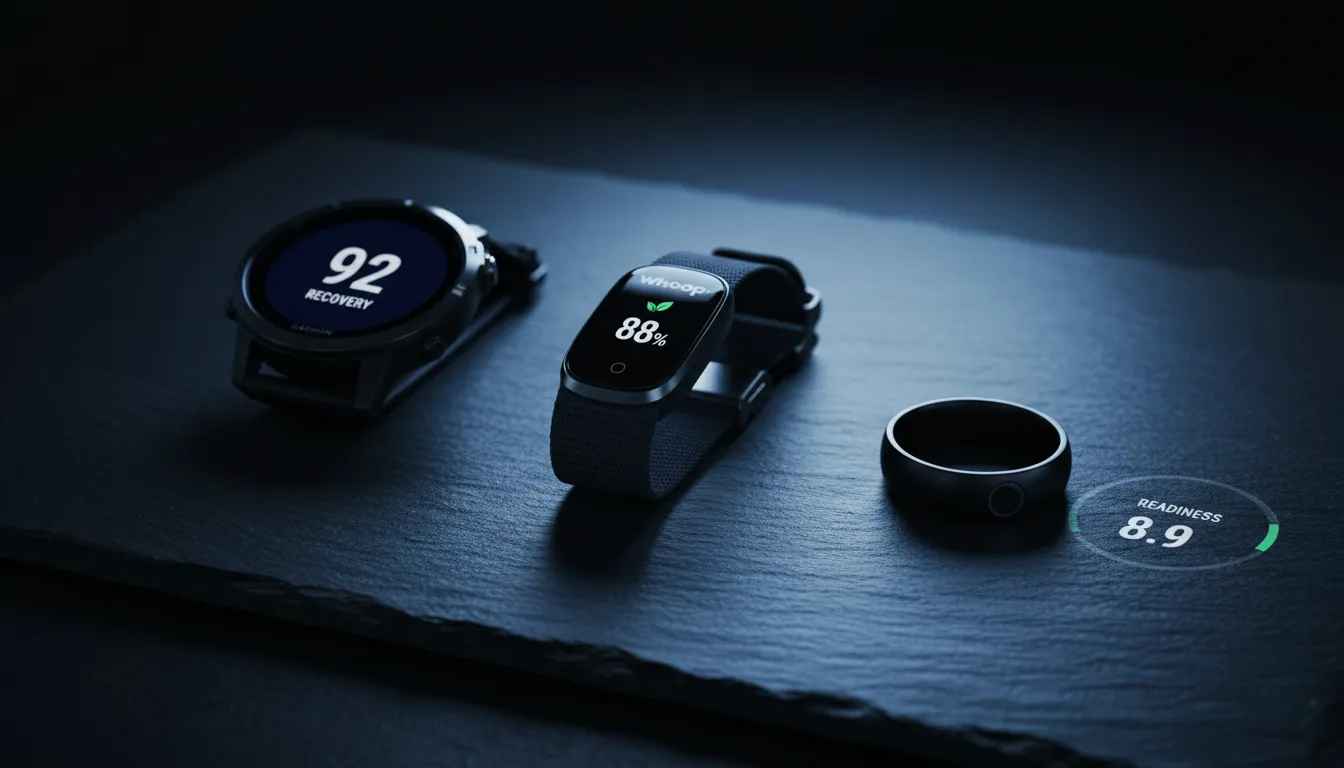
Garmin Body Battery vs WHOOP Recovery vs Oura Readiness: How Each Calculates Your Score in 2026
Garmin, WHOOP, and Oura calculate recovery differently — different inputs, different windows, different answers. Here's exactly what each score measures, how they compare, and which one to trust.
Zone 2 Cardio for Strength Athletes: Practical Doses, Lifter-Friendly Modalities, and Wearable Context
A practical guide to adding easy-to-moderate aerobic work around strength training without treating one heart-rate formula or weekly dose as universal.
Cumulative Sleep Debt: How Wearable HRV Data Reveals the Recovery Timeline Your Body Won't Tell You
Sleep debt accumulates nonlinearly and your brain lies about recovery. HRV trend data from wearables is the only reliable way to track when you've actually recovered.
Training on GLP-1 Medications: How to Preserve Muscle and Maximize Your Results
GLP-1 drugs like Ozempic and Wegovy are transforming weight loss, but up to 40% of what you lose can be muscle. Here's the science-backed exercise strategy to keep your strength while the scale drops.
Sick or Under-Recovered? A Wearable-Based 48-Hour Observation Framework
How to use HRV, resting heart rate, temperature trends, symptoms, and a 24- to 48-hour recheck without treating a wearable as a diagnostic tool.

Heat Acclimation by City: A Wearable-Guided 14-Day Dew Point + HR Drift Protocol for Safer Summer Performance
City-specific, wearable-guided 14-day heat acclimation using dew point, HeatRisk, HR drift, and HRV to adjust pace safely for summer running.

Can You Run in Poor Air Quality? AQI and Wildfire Smoke Guidance
Use current AirNow AQI guidance, symptoms, local smoke alerts, and cleaner-air alternatives to make a safer cardio decision.
Zone 2 Cardio: Benefits, Heart-Rate Estimates, and the Evidence Behind the Hype
Learn what people mean by Zone 2, how to estimate an easy-to-moderate aerobic effort, where wearables help, and where the evidence remains uncertain.
Caffeine Cutoff for Evening Athletes: A Wearable-Guided Protocol to Protect Sleep, HRV, and Next-Day Readiness
Evidence-based caffeine timing protocol for evening athletes using dose, bedtime, and wearable data to protect sleep and next-day readiness.
Half Marathon Training Plan: A Complete Guide to Your First 13.1 Miles
A complete 12-week half marathon training plan for beginners, covering essential workouts, race day nutrition, common mistakes, and how wearable data personalizes your preparation.
Race-Week Readiness Scores: How to Use Wearable Data Without Letting It Run Your Taper
A cautious guide to race-week HRV and readiness changes: what taper research supports, when symptoms matter more than a score, and how to make contextual decisions.
Deload Week: What It Is, When You Need One, and How to Do It Right
Learn what a deload week is, the science behind why it works, three proven approaches to deloading, and how to use wearable data to time your recovery perfectly.
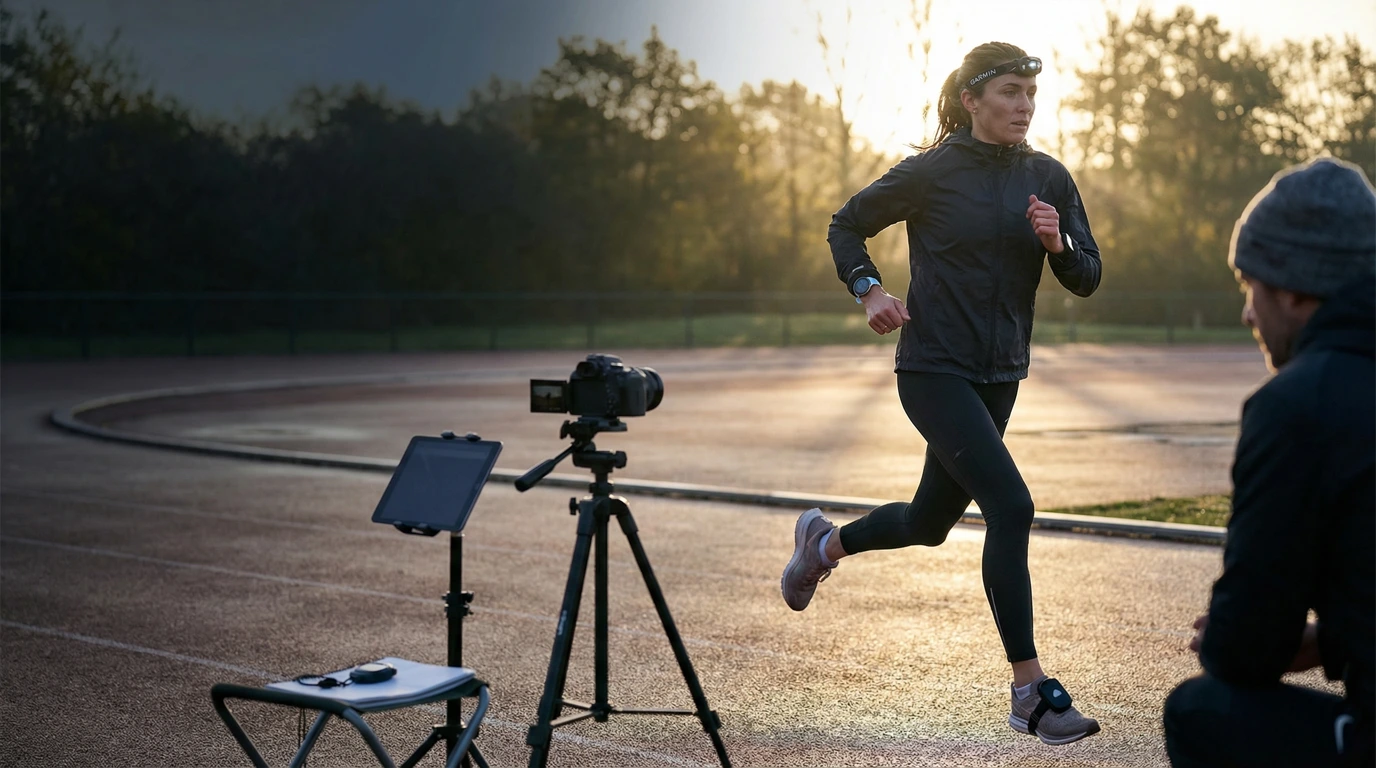
Running Power Across Garmin, Apple Watch, and Stryd: A Careful Field-Checking Guide
Compare running-power trends across Garmin, Apple Watch, and Stryd without treating any proprietary estimate—or one field test—as laboratory truth.
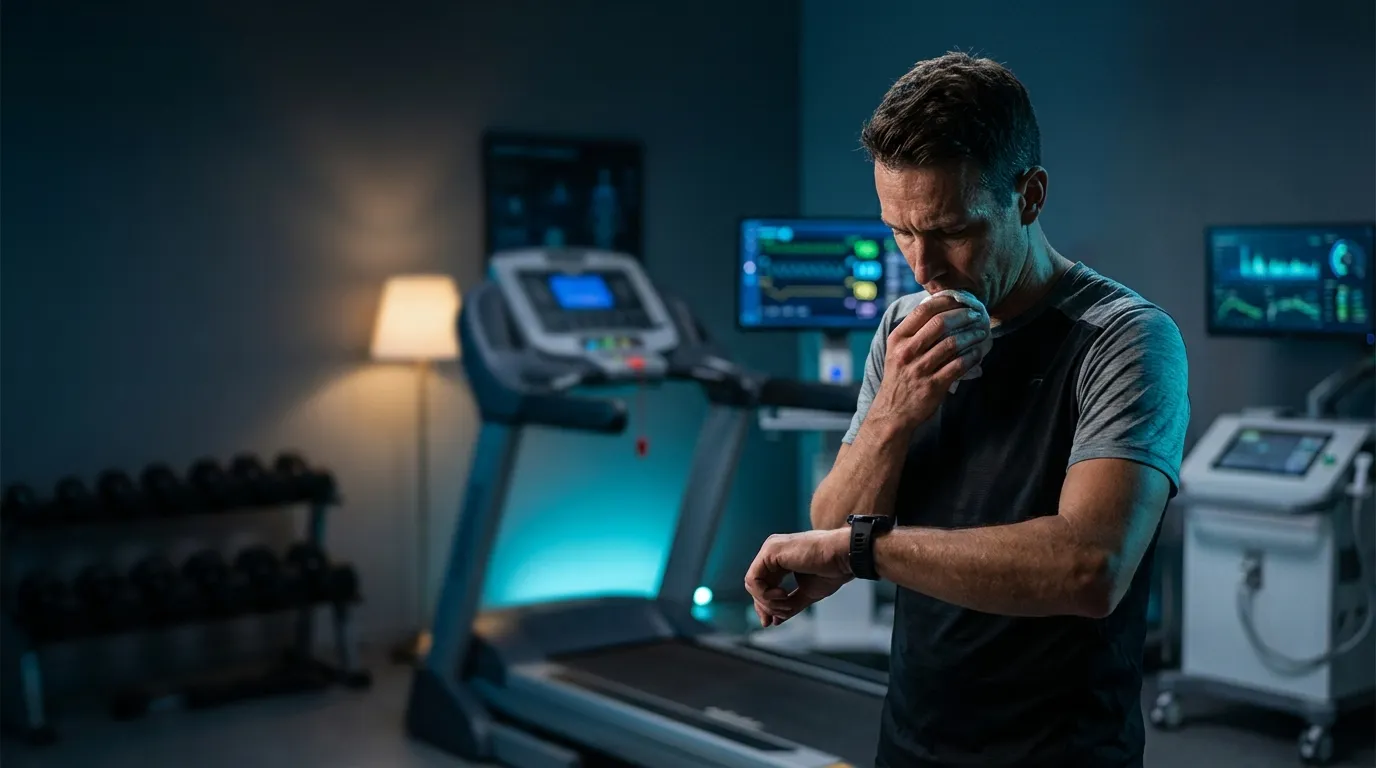
Why Your Smartwatch VO2 Max Is Dropping (Even When Fitness Is Improving): A Validation + Calibration Protocol
Learn why smartwatch VO2 max can move with data quality and training context, then use a practical checklist before changing your plan.
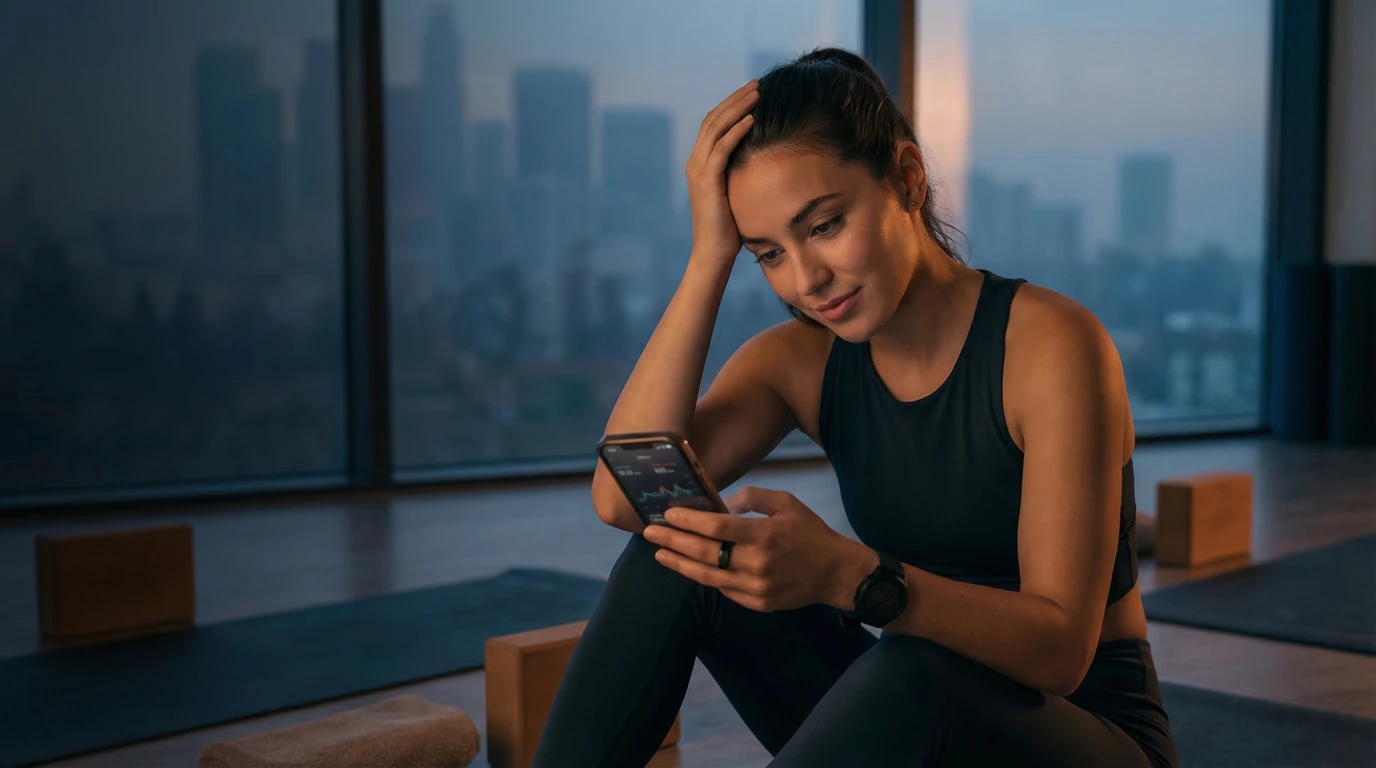
Why Your HRV Drops Before Your Period: A Cycle-Aware Train/Modify/Rest Framework for Oura, WHOOP, and Garmin
HRV often dips before your period. Use a science-backed, device-agnostic Train/Modify/Rest framework for Oura, WHOOP, and Garmin.

Post-Workout Sauna: Potential Benefits, Limits, and a Safer Starting Point
Post-exercise sauna may support heat acclimation and some endurance outcomes, but evidence is limited. Learn what studies found, what remains uncertain, and how to start safely.
Workout Splits Explained: How to Choose the Right Training Schedule for Your Goals
Compare full body, upper/lower, push/pull/legs, and body-part workout splits with evidence-informed guidance on frequency, volume, recovery, and scheduling.
Cardio Before or After Weights: What the Research Says About Exercise Order
Research-backed guide on whether to do cardio before or after weights, covering strength, fat loss, and how wearable data personalizes exercise order.
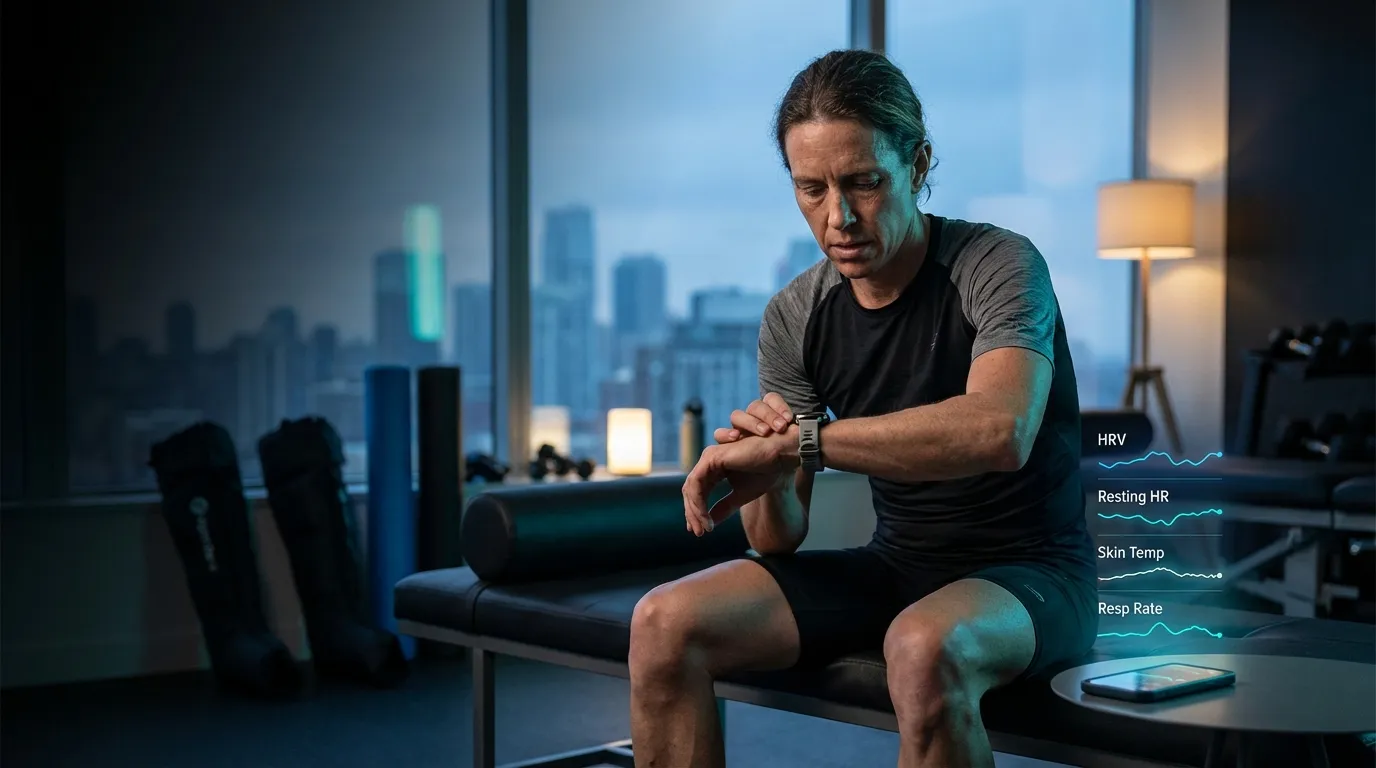
Illness or Overreaching? A Non-Diagnostic 48-Hour Wearable Framework Using HRV, Resting HR, Temperature, and Respiratory Rate
Use a cautious 48-hour educational framework to interpret HRV, resting HR, temperature, and respiratory rate without treating wearable signals as a diagnosis.
Zone 2 Without 220-Age: Using LT1, Wearables, and Field Checks
A cautious guide to heart-rate formulas, LT1/VT1, Garmin and Apple zone displays, talk tests, drift, and the limits of field calibration.

Altitude Acclimation with Wearables: A 7-Day SpO2 + HRV + Resting HR Framework for Sea-Level Athletes
A 7-day altitude acclimation protocol using SpO2, HRV, and resting HR to decide when to push, modify, or recover at 2,000–3,000 m.
Adaptive Training Load Progression Beyond the 10% Rule: A Wearable-Driven Ramp-Rate Framework for Hybrid Athletes
Evidence-based framework to progress running and strength load using HRV, resting HR, sleep, and ACWR—without relying on the outdated 10% rule.

Jet Lag and Training Readiness: A User-Led 72-Hour Wearable Checklist
A cautious, source-cited checklist for using symptoms and wearable trends to decide whether to train, modify, or recover after long-haul travel.
Low HRV, Normal Resting HR: A Wearable Context Framework for Training and Recovery
Low HRV but normal resting HR? Use baseline trends, symptoms, sleep, and recent training as context instead of treating one wearable score as a diagnosis.
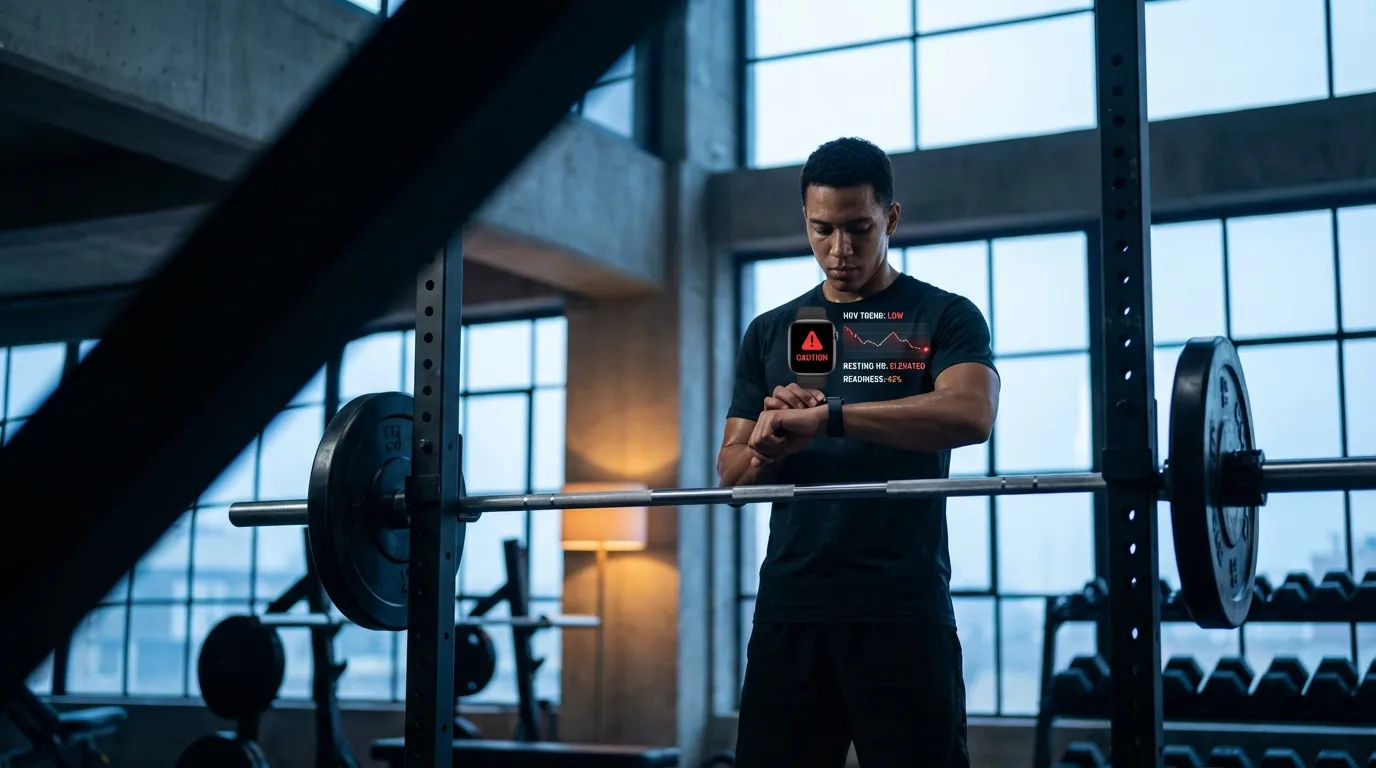
Should You Train Hard After Drinking? A Wearable-Based 24-Hour Return-to-Intensity Protocol
Science-backed 24-hour protocol using HRV, resting HR, sleep, and respiratory signals to choose hard training, easy training, or recovery after alcohol.
Heat-Adjusted Training: A 14-Day Wearable Protocol to Distinguish Heat Acclimation from Dehydration and Functional Overreaching
A data-driven 14-day heat acclimation protocol using HR drift, HRV, resting HR, temperature, body-mass loss, and sweat rate to decide when to push, modify, or recover.
CGM + Wearables for Athletes Without Diabetes: A 14-Day Fueling and Recovery Decision Framework
A practical, evidence-based framework for non-diabetic athletes to use CGM + HRV/RHR + sleep/load for smarter fueling and recovery decisions.
How to Build a Workout Routine: A Practical 2026 Guide
Build a realistic workout routine around your goals, schedule, equipment, recovery context, and progressive overload—with clear limits for wearables and AI coaching.
Underfueling, Overreaching, and Wearable Signals: What Trends Can—and Cannot—Tell You
Learn why underfueling and training stress can look similar in wearable data, which trends deserve attention, and when to involve a clinician.
The Evolution of Fitness Technology
From pedometers to LLM-powered coaching: how wearables, health-data integration, and conversational AI are changing personalized training in 2026.
Smartwatch Lactate Threshold Is Not Enough: A Wearable Validation + Zone Calibration Protocol for Runners and Cyclists
Learn what smartwatch lactate-threshold estimates can and cannot show, then compare them with repeatable field sessions before changing training zones.
Harnessing AI in Fitness Coaching for Peak Performance
How AI-powered fitness coaching uses wearable data to deliver personalized, adaptive training plans that evolve with your body's actual readiness.
Data-Driven Deload Weeks: How to Use HRV, Sleep Debt, and Training Load Signals (WHOOP, Oura, Garmin) to Decide When to Pull Back
Use HRV, sleep, and acute:chronic load trends to trigger deload weeks, set volume cuts, and safely ramp back up with a cross-device framework.

Menstrual Cycle-Aware Training Readiness: How to Use HRV/RHR Trends to Adjust Workouts Without Overreacting
Evidence-led framework to interpret menstrual-cycle HRV/RHR shifts, separate normal patterns from red flags, and adjust training confidently.
Can Wearables Detect Illness Before Symptoms? A Practical Framework
Athlete-safe framework to use HRV, resting HR, respiratory rate, and skin temperature trends to decide when to train, deload, or recover.
Wearable Score Conflicts: Push, Modify, or Recover?
Garmin low, WHOOP high, Oura mixed? Use an evidence-based framework to decide push, modify, or rest with HRV trends, RHR drift, load, sleep, and symptoms.
AI Fitness App Alternatives in 2026: Which One to Switch To
Looking for an AI fitness app alternative? We scored Fitbod, Freeletics, Future, Trainiac, and SensAI on missed sessions, poor sleep, travel, and no-equipment days — with verified August 2026 App Store pricing and ratings.
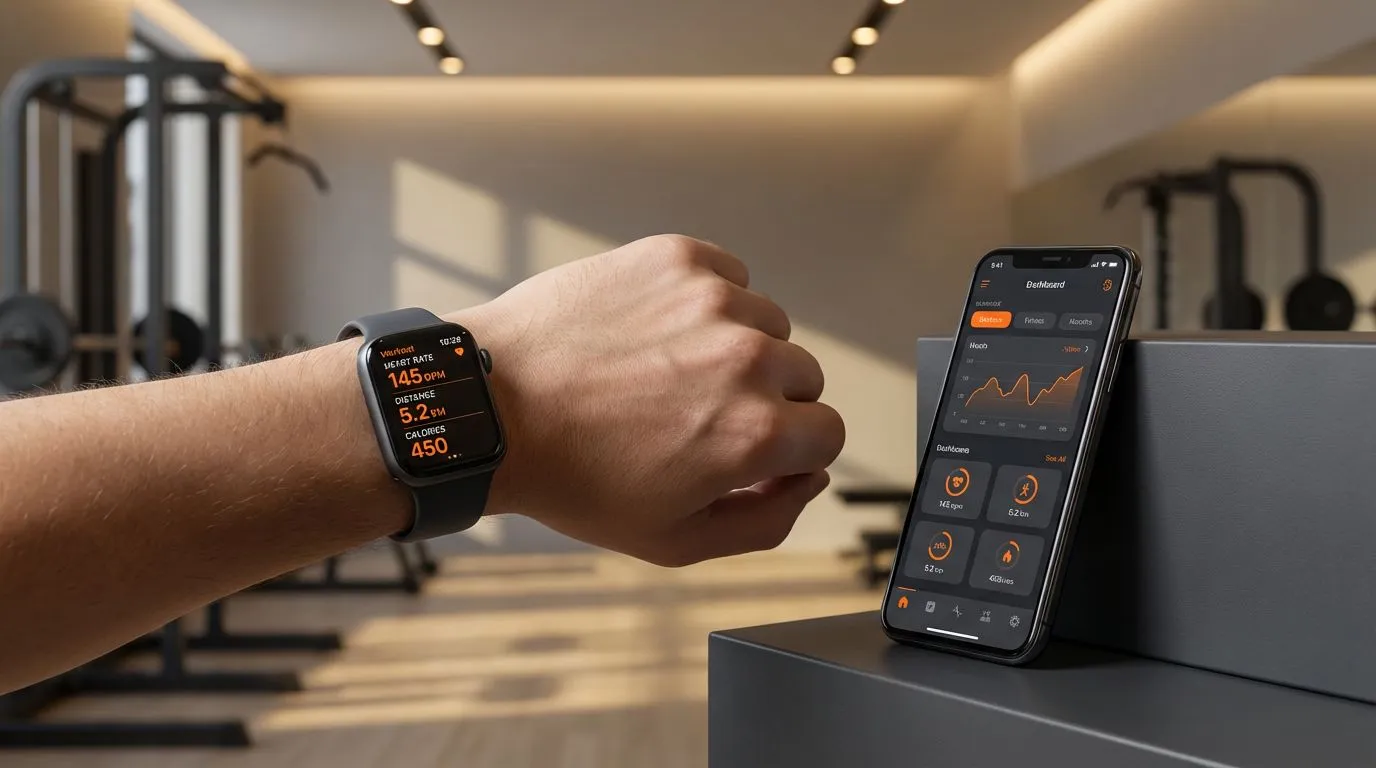
How AI and Wearables Are Changing Fitness Apps in 2026
Discover how AI personalization and wearable integration are transforming fitness apps in 2026, from smart workout adaptation to real-time recovery tracking.
Overtraining vs. Overreaching: What Wearables Can Show—and Cannot Diagnose
Learn how HRV, training load, sleep, and symptoms can add context about training strain—and why no wearable or AI can diagnose overtraining syndrome.

How Sleep Quality Affects Your Workout Performance
What sleep research can — and cannot — tell you about strength, reaction time, recovery, wearable sleep stages, and training readiness.

Zone 2 Training: A Practical Guide to Heart Rate, Effort, and Wearable Data
Learn how Zone 2 definitions differ, how to estimate an easy aerobic effort, what the evidence supports, and how to use wearable data without false precision.
Strength Training for Longevity: What the Weekly-Dose Research Shows
Observational research links modest weekly strength training with lower mortality risk. Learn what the evidence supports, what it cannot prove, and how to start.
How AI Automates Progressive Overload for Strength Training
AI-driven progressive overload uses autoregulation science and biometric data to optimize strength gains—here's the peer-reviewed evidence.
Unlock Your Best Self: Your Personalized Workout Guide
Learn how personalized workout plans account for goals and constraints, and how LLM coaching and wearable context can support structured training reviews.
Stuck in a Fitness Rut? 7 Evidence-Informed Ways to Make Progress
Work through a fitness plateau with practical strategies for exercise selection, periodization, progressive overload, recovery, nutrition, and personalized coaching.
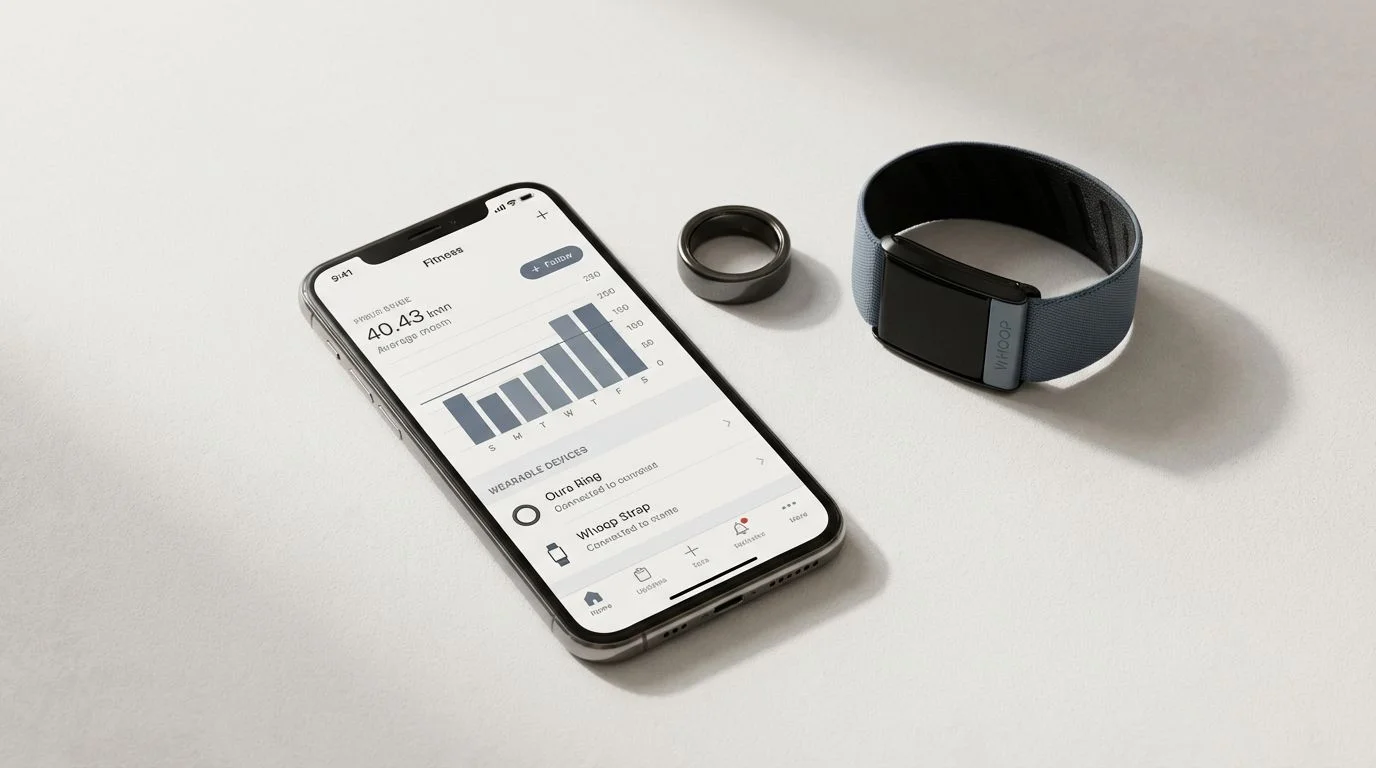
Fitness Apps Integrated with Oura and Whoop for HRV Control
Discover which fitness apps integrate with your Oura or Whoop HRV data, how to set them up, and how SensAI turns recovery metrics into daily readiness summaries and weekly programs.
I'm New to Working Out and Don't Know Where to Start
A complete beginner's guide to fitness: learn exercise types, build your first routine, use wearables for feedback, and stay motivated.
How Often Should I Workout and When Should I Rest?
Find your optimal training frequency and learn to recognize when your body needs recovery. Use wearables and HRV data to balance effort and rest.
How Do I Know If My Workouts Are Actually Working?
Discover the key indicators that your training is paying off, from strength gains to HRV trends, and learn how long to wait before seeing results.
Am I Doing My Exercises Correctly and Safely?
Learn proper exercise form, common mistakes to avoid, and how wearables and AI provide real-time feedback to prevent injuries and maximize results.
Transform Your Fitness Journey: A Proven Roadmap to Success
Learn how to build a sustainable fitness journey using wearable data, AI coaching, and science-backed strategies for long-term results.

Unlock Your Potential: Boost VO2 Max with a Fitness App
Break through VO2 max plateaus with AI-powered fitness apps. Get personalized training and science-backed interval protocols.
Crafting Your Ideal Training Plan: Step-by-Step Guide for 2026
Learn how to build a personalized training plan that fits your goals, schedule, and fitness level using AI-powered tools and wearable data integration.
Achieve Your 2026 Fitness Goals: Expert Tips and Tricks
Learn how AI-powered fitness coaching transforms goal setting with personalized training, adaptive programs, and data-driven insights for lasting results.
Mastering Efficiency: The Ultimate 30-Minute Workout Guide
Science-backed strategies for effective 30-minute workouts. Learn compound movements, HIIT protocols, and how AI coaching maximizes results.
How to Choose a Workout Tracking App in 2026
Compare workout tracking apps by logging, programming, wearable support, AI boundaries, privacy, offline use, and current subscription terms.
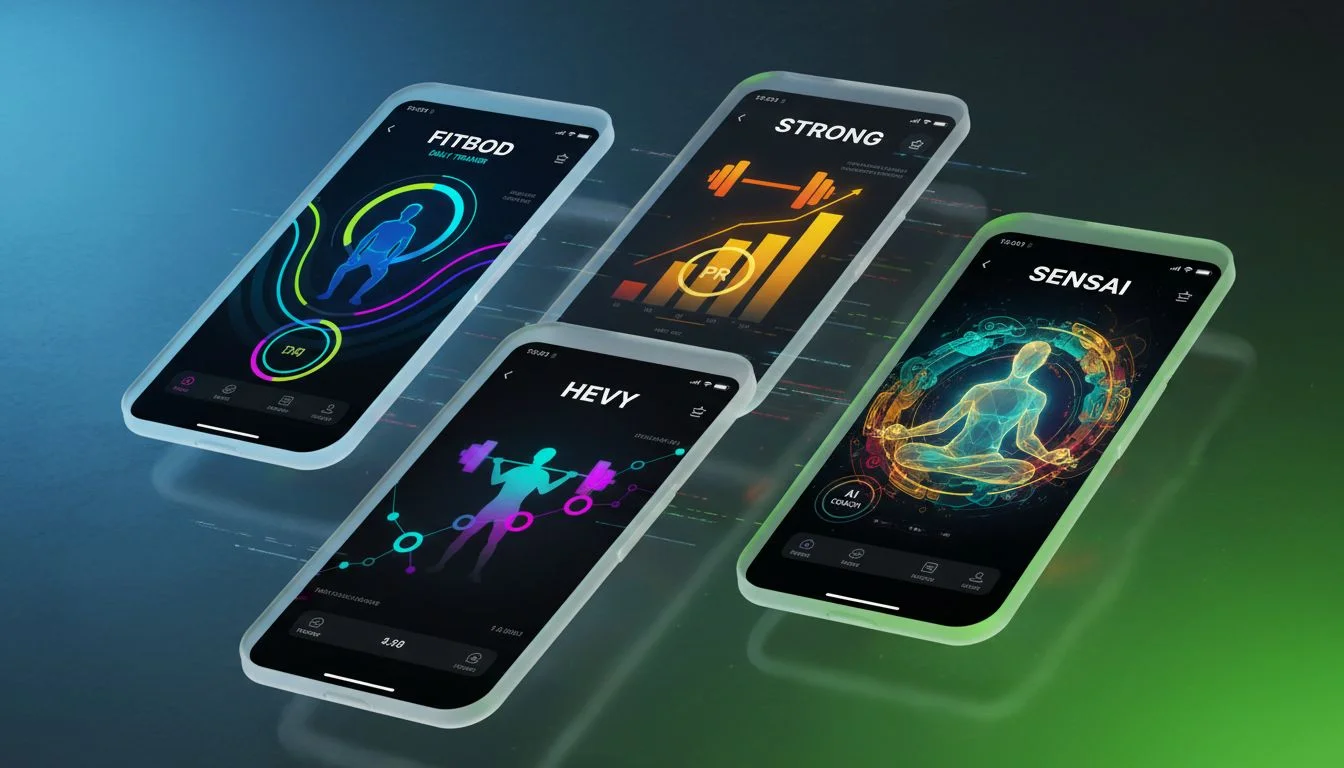
Fitbod vs Strong vs Hevy vs SensAI: $24 to $96 a Year — Which Workout App Wins in 2026?
Hevy is $23.99/yr, Strong $29.99, SensAI $69.99, Fitbod $95.99. Verified 2026 pricing plus which workout app fits your training style — fast logging, auto-programming, community, or recovery-aware AI coaching.
Mastering Proper Exercise Form for Safety and Success
Master proper exercise form for injury prevention and better results. Learn how photo feedback and recovery data can support safer training.

Uncertain About Exercise? Start Here to Lose Weight
Overwhelmed by fitness advice? Learn how to start safely, combine aerobic and strength work, and build a sustainable routine that supports weight management.
10 Best Home Workouts Without Equipment: AI-Powered Bodyweight Training
Master effective bodyweight exercises with AI-powered form feedback and personalized progression. Build strength anywhere, anytime—no gym required.
Not Seeing Workout Results? 10 Evidence-Informed Solutions
Review ten practical ways to troubleshoot stalled workout results, from progressive overload and recovery to technique, nutrition, and consistent tracking.

How to Stay Motivated to Workout Consistently
Build a workout routine that survives busy weeks with repeatable cues, enjoyable movement, realistic goals, progress tracking, and flexible planning.
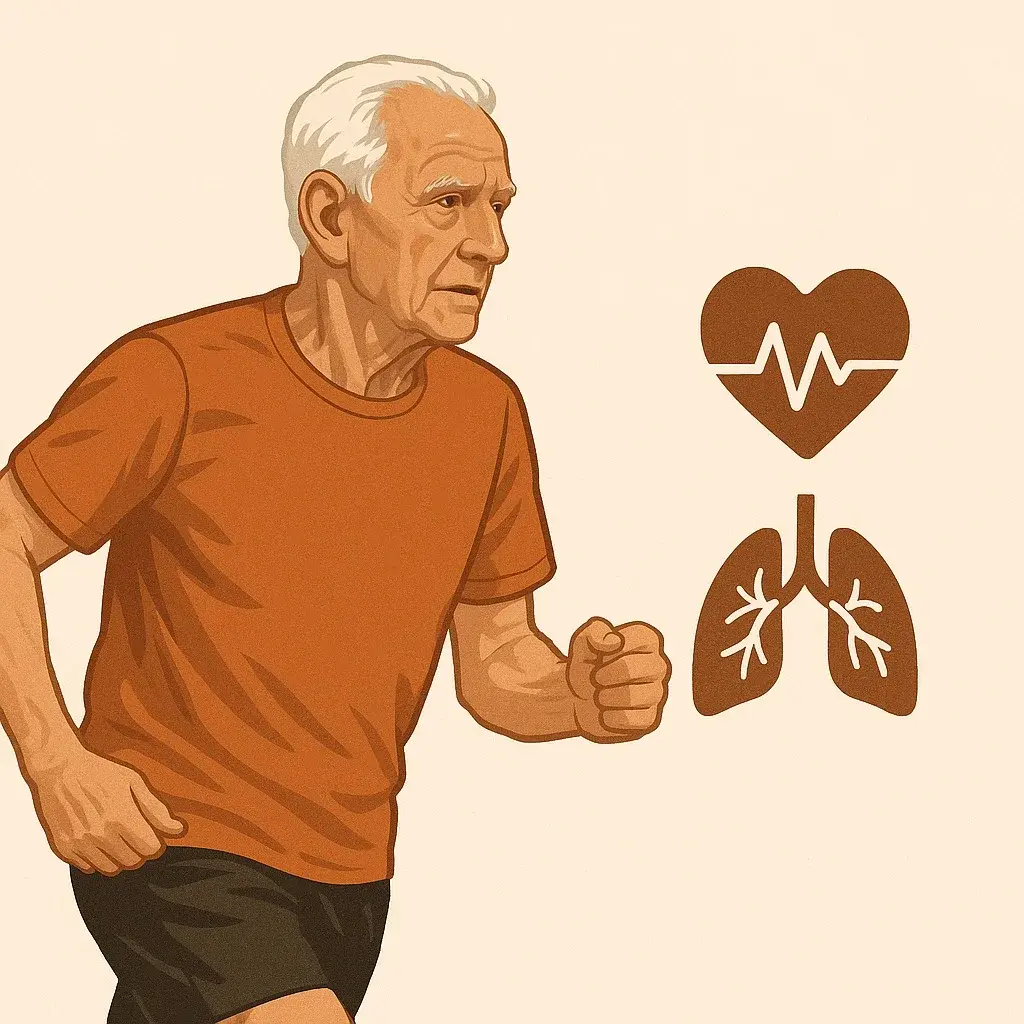
An 80-Year-Old With Exceptional VO₂ Max: What One Case Can—and Cannot—Teach Us
A case report measured exceptional cardiorespiratory fitness in one 80-year-old man. Learn what the result shows, its limits, and the cautious training lessons.
Home Workouts Without Equipment: SensAI's Top 10 Exercises
Your body is the only gym you need. Discover 10 powerful bodyweight exercises with AI-powered progressions that build strength anywhere.
Why Your Fitness Wearables Aren't Working (And How to Fix It)
Your wearables collect mountains of data, but integration problems leave you guessing. Learn how to connect your devices for actionable fitness insights.

Your Fitness Data Is Lying to You (Unless You're Actually Using It)
Your wearable tracks HRV, VO2 Max, and sleep, but most apps ignore it. Learn how AI training turns your metrics into action.
The Science Behind AI-Powered Workout Personalization
Learn how AI fitness apps use wearable data and real-time adaptation to create personalized training that evolves with your body.
Maximizing Your 30-Minute Workout for Optimal Results
Why generic 30-minute workouts fail and how personalized, adaptive training transforms short sessions into effective results.
AI vs Human Personal Trainers: Which One Actually Fits Your Life?
AI coaches offer flexible, weekly recovery-informed programming; human trainers win on hands-on form and heavy-lift technique, while injury rehabilitation belongs with a licensed clinician. How to choose in 2026.
Intermittent Fasting for Athletes: What the Evidence Can and Cannot Tell Us
A cautious look at intermittent fasting, metabolic-health evidence, athletic performance, underfueling risk, and who should get professional guidance first.
Sweat as Medicine: How a Single Workout Can Slow Cancer Cells
New research reveals that exercise creates powerful chemical messengers that can slow cancer growth - discover how your workout becomes cellular warfare.

VO₂ Max: What It Measures and How to Train It Safely
Learn what VO₂ max measures, why it is associated with health and endurance, and how aerobic training can improve it without one-size-fits-all workouts.

Exercise Snacks: Small Moves, Big Gains for Everyday Athletes
Discover how tiny exercise 'snacks' and minimal training can transform your strength, recovery, and long-term health with surprisingly powerful results.
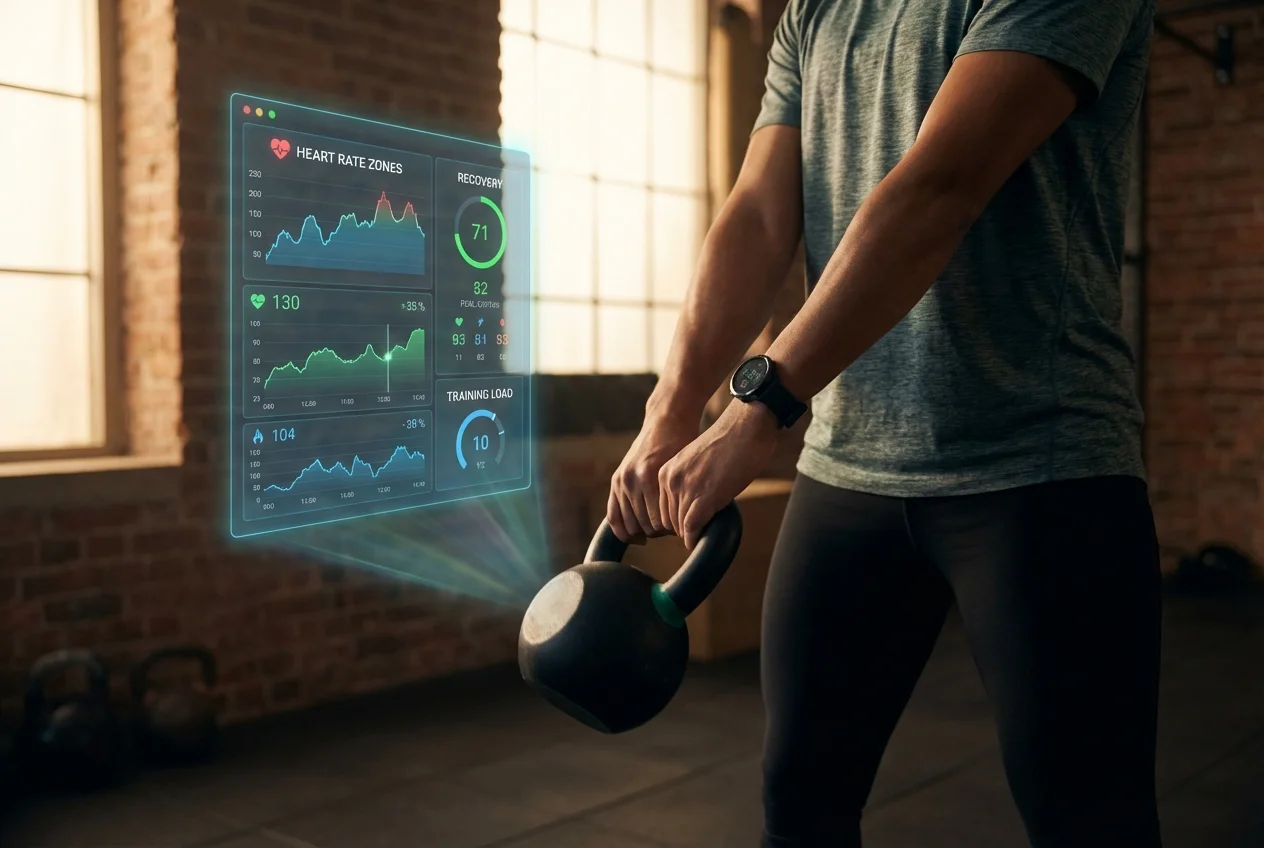
The Complete Guide to AI Personal Training in 2025: Unlock Your Health Data's Hidden Potential
Transform your fitness tracker data into intelligent coaching with AI personal training. Learn how LLMs and health data create truly personalized workout plans.
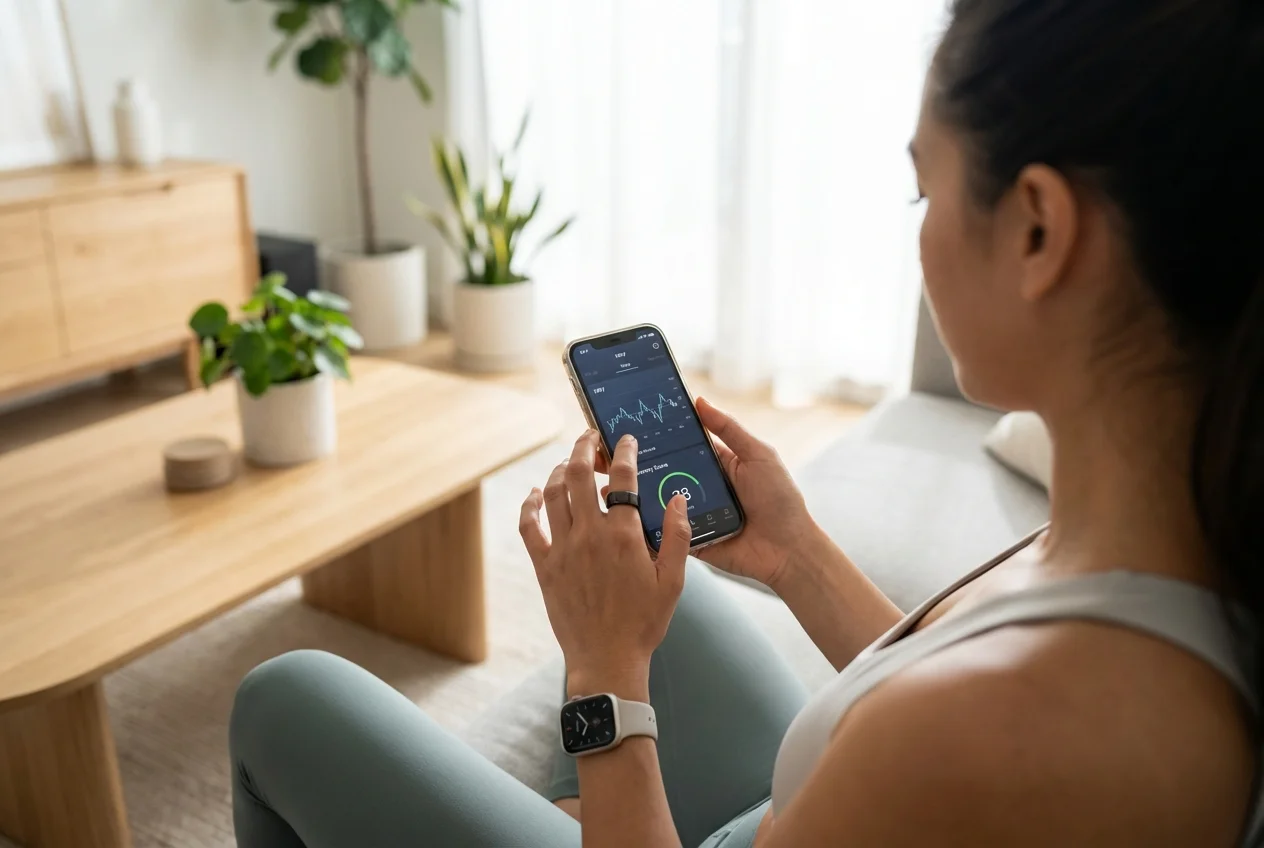
Best HRV Apps That Work With Oura Ring and WHOOP (2026): What Actually Syncs
Oura, WHOOP, and Garmin all refuse to send HRV to Apple Health. Here's which apps still get your HRV, which ones only think they do, and the free options — verified July 2026.
How to Choose an AI Fitness App: What to Look For and What to Avoid
The four capabilities that separate real AI coaching from a template with a buzzword on top, the red flags that give a thin app away, and how to test any of them during a free trial.

Sauna, Recovery, and Longevity: What the Evidence Actually Shows
Sauna bathing changes circulation and heat stress, but recovery and longevity claims need context. Here is what observational and clinical evidence can—and cannot—show.

Creatine: The Everyday Athlete's Secret Superpower
Discover why creatine is one of the most effective, well-researched supplements for strength, recovery, and cognitive performance in everyday athletes.

Cold Plunge for Athletes: When It Helps, When It Hurts, and How to Time It With Your Wearable Data (2026)
Evidence-based decision framework for cold plunge timing — when CWI helps endurance and mental recovery, when it blunts strength gains, and how to read your wearable's HRV after a plunge.
Training Fear: How to Stay Calmer Under Pressure
Learn practical, safety-first ways to respond to manageable fear through mindfulness, preparation, and gradual exposure—plus when to seek professional help.
Intermittent Fasting and Health: Benefits, Limits, and Safer Decisions
What intermittent-fasting research shows, where claims outrun the evidence, and how to protect energy availability, training, and your relationship with food.
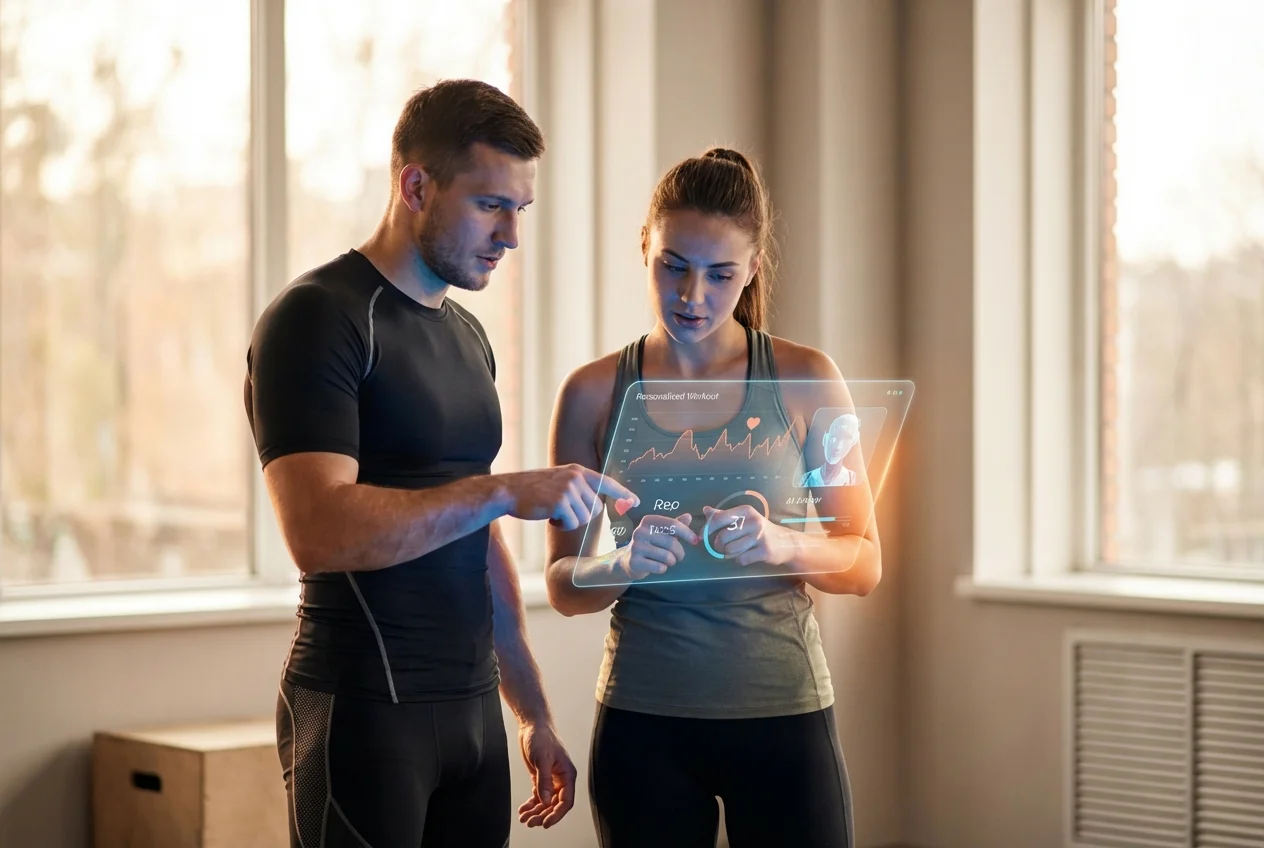
The Future of AI-Powered Fitness Coaching
Discover how artificial intelligence is revolutionizing personal training and creating more personalized, effective workout experiences.
HRV: The Secret Signal Your Body Sends About Fitness and Recovery
Discover how Heart Rate Variability (HRV) provides crucial insights into your body's stress, recovery, and readiness to train for optimal fitness performance.

Unlocking Fitness Insights from Your Wearable Data
Learn how to transform raw data from your fitness trackers and smartwatches into actionable insights for better health outcomes.

How AI Creates Truly Personalized Workout Plans
Explore the science behind AI-generated workout plans and discover how artificial intelligence is making fitness more personalized than ever before.
No posts in this category yet.