The Future of AI-Powered Fitness Coaching
Discover how artificial intelligence is revolutionizing personal training and creating more personalized, effective workout experiences.

SensAI Team
6 min read
Get a training plan that adapts to your recovery — free on iOS

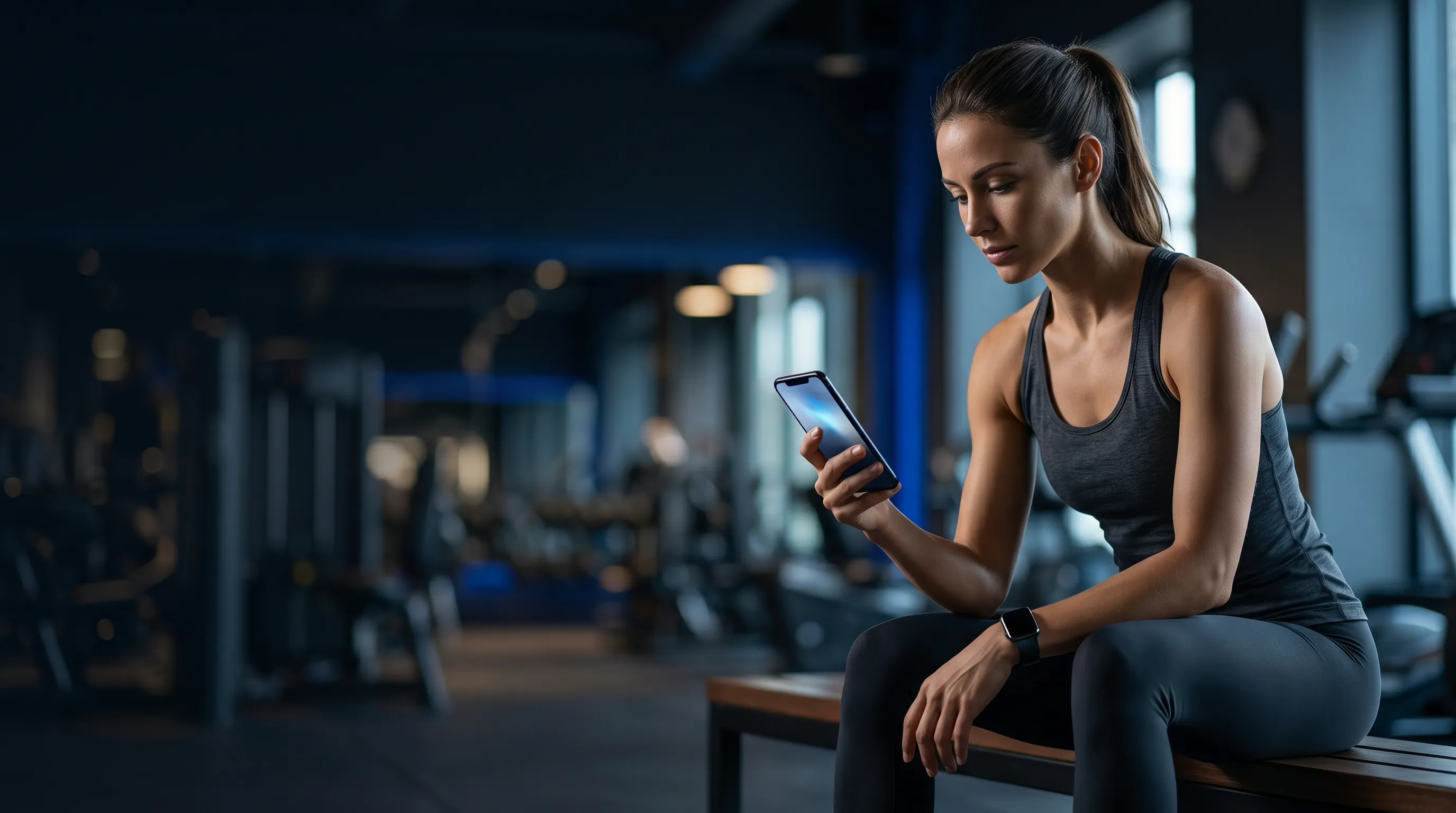
Digital fitness is moving from generic workout libraries toward systems that can adapt to the person in front of them. The evidence base is still evolving, but systematic reviews show that smartphone app interventions can increase physical activity, and wearable activity trackers can help adults move more when the data is turned into feedback and behavior change support.12 AI-powered fitness coaching builds on that foundation by making the feedback conversational, contextual, and easier to act on.
What Makes AI Fitness Coaching Different?
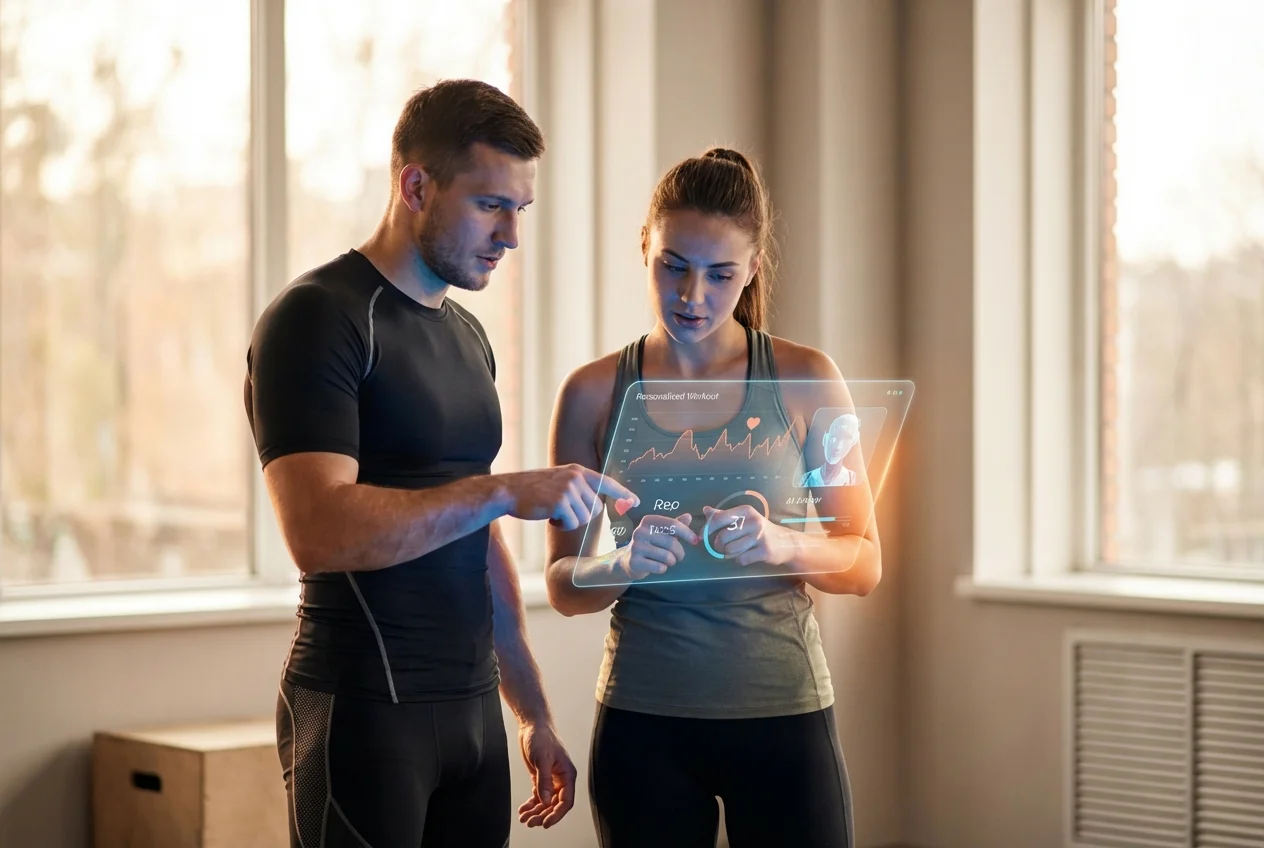
Traditional personal training, while effective, has limitations. Human trainers can work with only a limited number of clients, sessions are expensive, and personalization is often based on general observations rather than comprehensive data analysis. AI fitness coaching addresses these challenges by:
1. 24/7 Availability
Your AI coach never sleeps. Whether you’re motivated to work out at 5 AM or prefer evening sessions, your AI trainer is always ready to provide guidance, motivation, and real-time feedback.
2. Personal Context + AI Intelligence
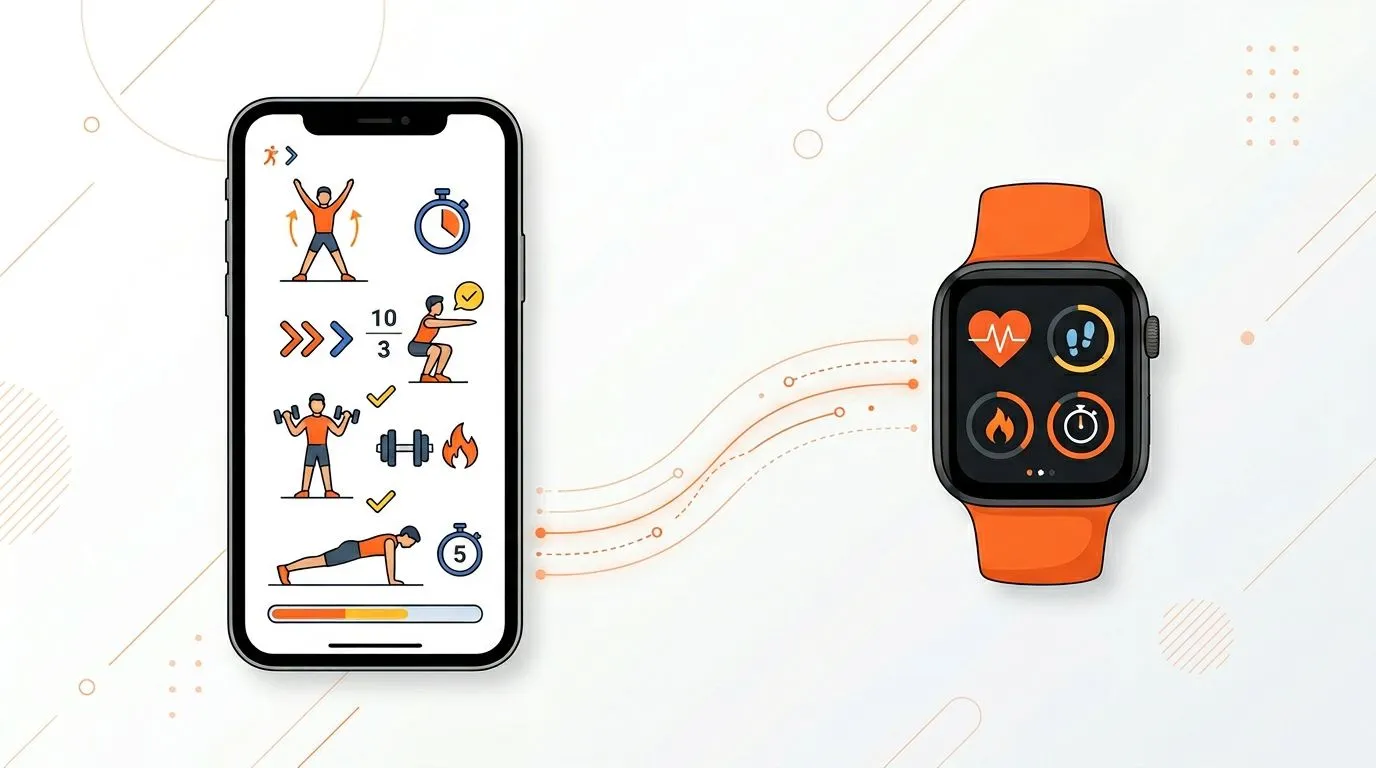
AI systems combine your personal health data from wearable devices, sleep trackers, and health apps with the vast knowledge of LLMs to create truly personalized workout plans that understand both your unique situation and the science of fitness.
3. Continuous Learning
Unlike static workout programs, AI coaches learn from every session, constantly refining their approach based on your progress, preferences, and feedback.
The Science Behind AI Fitness Coaching
Modern AI fitness platforms leverage the power of Large Language Models (LLMs) - the same technology behind ChatGPT and other conversational AI systems:
- Conversational Intelligence: LLMs understand natural language, making interactions with your AI coach feel like talking to a knowledgeable fitness expert.
- Contextual Understanding: By combining your personal health data with the vast knowledge of LLMs, AI coaches can provide incredibly personalized recommendations.
- Adaptive Responses: LLMs can process complex information about your fitness journey and provide nuanced, personalized guidance in real-time.
Real-World Impact
The strongest case for AI fitness coaching is not magic. It is a better loop between data, guidance, and adherence:
- Consistency: Apps and wearables work best when they turn passive tracking into timely prompts, goals, and feedback.12
- Efficiency: Workouts can be adjusted around available time, equipment, and recovery instead of forcing a static template onto a messy week.
- Safety: A well-designed coach can flag recovery context and scale training load, while still leaving pain, symptoms, and medical concerns to qualified professionals.
Looking Ahead
The future of AI fitness coaching is incredibly promising. We’re moving toward a world where:
- AI coaches will integrate with smart home gyms for seamless workout experiences
- Biometric monitoring will provide real-time feedback on form and intensity
- Personalized nutrition recommendations will complement workout plans
- Virtual reality will create immersive training environments
Getting Started with AI Fitness Coaching
If you’re interested in experiencing the future of fitness coaching, consider looking for platforms that offer:
- Comprehensive health data integration
- Personalized workout programming
- Real-time coaching feedback
- Progress tracking and analytics
The transformation is just beginning, and AI-powered fitness coaching represents a significant step toward more accessible, effective, and personalized health and wellness solutions.
References
Footnotes
-
Romeo A, Edney S, Plotnikoff R, et al. “Can Smartphone Apps Increase Physical Activity? Systematic Review and Meta-Analysis.” Journal of Medical Internet Research, 2019. https://www.jmir.org/2019/3/e12053/ ↩ ↩2
-
Ferguson T, Olds T, Curtis R, et al. “Effectiveness of wearable activity trackers to increase physical activity and improve health: a systematic review of systematic reviews and meta-analyses.” The Lancet Digital Health, 2022. https://pubmed.ncbi.nlm.nih.gov/35868813/ ↩ ↩2